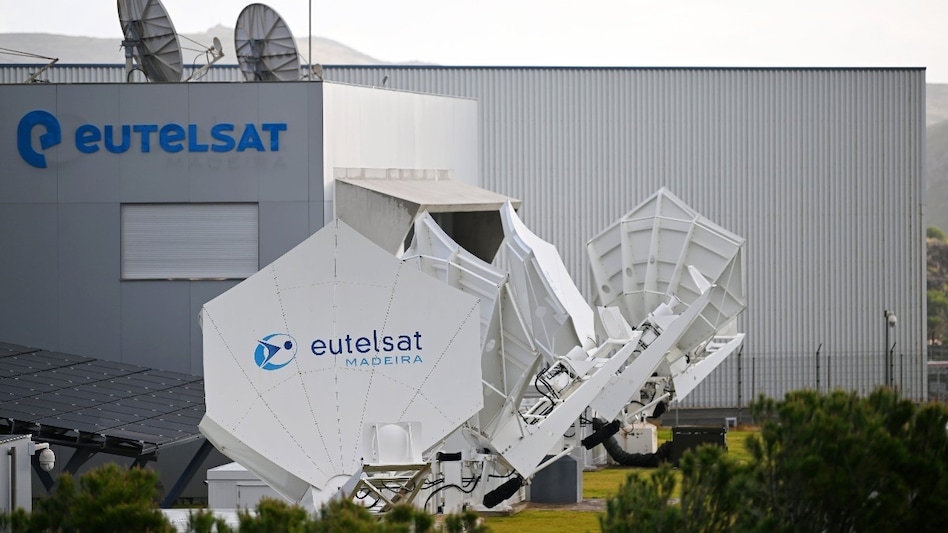
Eutelsat in talks with ISRO for satellite launches, seeks to reduce dependence on Elon Musk's SpaceX
Eutelsat, the European satellite internet provider, is currently engaging in discussions with the Indian Space Research Organisation (ISRO) to secure future satellite launches. This move comes as Eutelsat aims to lessen its reliance on Elon Musk's SpaceX and the Ariane rockets from Europe, according to a report by Reuters. Jean-François Fallacher, who assumed the role of Eutelsat's CEO last June, confirmed that conversations with ISRO are ongoing but have yet to result in a finalized agreement. These discussions are set against the backdrop of strengthening ties between India and France, particularly in sectors like defense, space, and maritime security. French President Emmanuel Macron previously criticized the heavy reliance on non-European launch services, describing it as "madness" and advocating for closer collaboration with India. Fallacher, who was part of Macron's delegation during a visit to India in February, met with key figures in the Indian telecommunications sector to discuss market access. "We are preparing for the future since launch capacity needs to be arranged well in advance," he stated. "India is a vast country, so securing market access is vital." Eutelsat's relationship with India is already significant, particularly following its merger with OneWeb, a London-based satellite internet company that was saved by India's Bharti Enterprises in 2023. ISRO has previously launched 72 OneWeb satellites using its LVM3 rocket, showcasing a solid foundation for future cooperation. After losing access to Russia's Soyuz rocket due to the invasion of Ukraine, Eutelsat has primarily depended on SpaceX and Arianespace for its launches. Additionally, the company has formed a partnership with MaiaSpace, a French startup developing Europe's first reusable mini-launcher. Currently, Eutelsat operates 650 satellites and anticipates surpassing the 1,000 mark soon. Airbus is constructing 440 satellites for Eutelsat, with further expansions planned under the European Union's IRIS² broadband initiative. The estimated cost of the 440-satellite program is around 2 billion euros by 2030, with launch expenses constituting 30-40% of the total costs. Fallacher addressed comparisons with Starlink's fleet, which consists of approximately 10,000 satellites, arguing that altitude differences make such comparisons problematic. "When you are positioned higher in space, fewer satellites are necessary. If it becomes a limitation, we will order more satellites to expand our constellation," he noted. On the financial side, Fallacher assured that Eutelsat is well-funded until 2031, following a refinancing of 5 billion euros ($5.7 billion) last year, which elevated the French state to the status of the largest shareholder. He emphasized, "We will not return to the market next year or the following year for additional funding."
Earnings Season Kicks Off Amidst AI Buzz
As the earnings season begins, the spotlight has shifted dramatically towards artificial intelligence advancements, over...
CNBC | Jul 18, 2026, 16:45
Nationwide Protests Erupt Against AI Data Centers as Communities Demand a Voice
A wave of grassroots activism swept across the United States on Saturday, as citizens rallied against the expansion of A...
Business Insider | Jul 18, 2026, 20:45Waymo Suspends Robotaxi Service in San Francisco Due to Power Outage
Waymo has announced a temporary halt to its robotaxi operations in San Francisco following a significant power outage im...
TechCrunch | Jul 18, 2026, 19:45
TSMC Doubles Down on Arizona Expansion Amid Booming AI Demand
Taiwan Semiconductor Manufacturing Company (TSMC) is ramping up its operations in Arizona, responding to what its Chief ...
CNBC | Jul 19, 2026, 23:15
AI Takes on the Soccer Stakes: Who Will Win the Betting Game?
How do you evaluate the predictive prowess of artificial intelligence? Recently, the CTO of the startup Obside shared a ...
Business Insider | Jul 19, 2026, 10:15