ESA considers righting the wrongs of Ariane 6 by turning it into a Franken-rocket
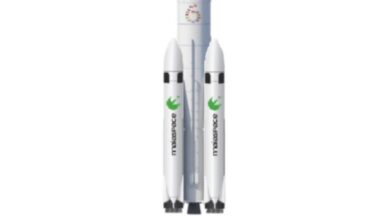
After a lengthy debate, European leaders in the space sector have reached a pivotal understanding: the continent must embrace the development of reusable rockets. However, critical decisions regarding the approach and funding remain open for discussion. Historically, the focus has been on designing a completely new rocket to succeed the Ariane 6, which only entered service a short time ago. This rocket, adhering to the traditional expendable model, has been in operation for less than two years. In response, the European Space Agency (ESA) is actively supporting emerging rocket firms by providing financial resources to demonstrate the capability of small satellite launchers. Additionally, ESA is channeling funds toward enhancing rocket designs to accommodate heavier payloads for orbit. To further advance its goals, ESA, alongside the European Commission and various national governments, is funding innovative projects that aim to showcase vertical takeoff and landing technologies. However, despite the substantial investment, these efforts lack cohesion, resulting in slow progress. In a significant development, a proposal has emerged to modify the existing Ariane 6 design to allow for partial reusability. ArianeGroup, a joint venture of Airbus and Safran, secured a contract under ESA's Boosters for European Space Transportation (BEST!) initiative in late 2024 to spearhead this effort. The design of Ariane 6 can be traced back to 2014, when it was initially conceptualized by Airbus and Safran, ultimately taking flight in 2024. This rocket features an expendable architecture, incorporating a cryogenic core stage and the option of two to four solid rocket boosters, tailored to the specific needs of each mission. At the time of its design, SpaceX had already made strides in reusable technology, successfully recovering its Falcon 9 boosters starting in 2015 and achieving reuse in 2017. European officials underestimated SpaceX's potential, a miscalculation that has since become evident. With Blue Origin also succeeding in landing its orbital-class booster last year and multiple Chinese companies on the verge of similar advancements, the urgency for Europe to adapt its strategies has never been more critical.
Alphabet Takes the Lead in AI Investment Amid Industry Competition
In a bold move that underscores its commitment to artificial intelligence, Alphabet has significantly ramped up its spen...
CNBC | Jul 24, 2026, 19:45
Cognition Acquires Poke: Redefining AI Interaction for Enhanced Productivity
Poke, the friendly AI assistant that users interact with as if chatting with a friend, is set to embark on a new journey...
TechCrunch | Jul 24, 2026, 18:25
Revolutionizing Office Automation: Prentis Aims to Secure $100 Million in Funding
Prentis, a newly established AI research lab, is making waves in the tech industry as it prepares to raise $100 million ...
TechCrunch | Jul 25, 2026, 24:00
SpaceX Successfully Tests Starship Rocket, Launching New Era of Space Exploration
On Friday evening, SpaceX executed a significant milestone by launching its colossal Starship rocket from its facility i...
CNBC | Jul 25, 2026, 24:10
Vision Breakthrough: US Startup Launches Groundbreaking Retina Chip in Europe
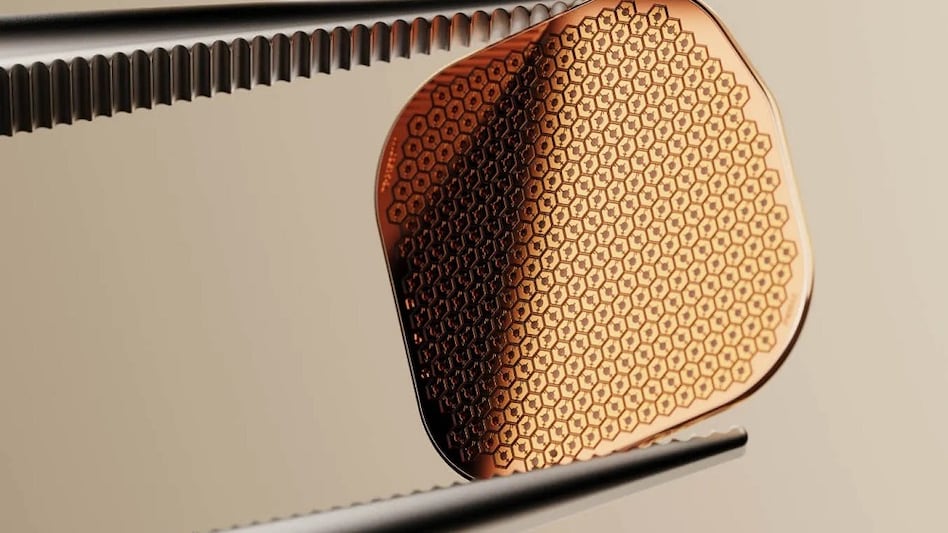
Science Corp is poised to introduce a revolutionary retina chip in Europe, designed to restore partial vision for indivi...
Business Today | Jul 25, 2026, 01:00