
As EU waters down 2035 EV goals, electric startups express concern
The transition to electric vehicles in Europe faces a significant delay as the European Commission adjusts its ambitious timeline for phasing out gas-powered cars. Initially set to ban the sale of such vehicles by 2035, the new proposal now permits that up to 10% of new car sales can be hybrids or other models, provided manufacturers buy carbon offsets. This alteration is part of a broader initiative aimed at making the European automotive sector both environmentally friendly and competitive. If ratified by the European Parliament, this revised strategy is expected to appease established car manufacturers who have been lobbying for more time to transition from hybrid to fully electric models. These traditional automakers are currently grappling with competition from Tesla and the influx of affordable electric vehicles from China. However, the policy shift has ignited concern among electric vehicle startups and their investors. Craig Douglas, a partner at World Fund, a climate-conscious venture capital firm, expressed worries that without strong and decisive policy measures, Europe risks losing its leadership in the global EV market, along with the associated economic advantages. In September, Douglas joined other industry leaders in signing an open letter to European Commission President Ursula von der Leyen, urging the Commission to maintain its original zero-emission target for 2035. The letter garnered support from executives at companies like Cabify, EDF, and Einride, who collectively called for a steadfast commitment to ambitious goals. Yet, the traditional auto industry, which employs 6.1% of the EU workforce, exerts significant influence, ultimately swaying the Commission's decision. Diverging opinions within the automotive sector highlight the complexity of the situation. A representative from Volvo warned that prioritizing short-term gains over long-term commitments may undermine Europe's competitiveness for years. Unlike some competitors, Volvo is confident about meeting the original 2035 deadline but advocates for increased investment in charging infrastructure, a concern echoed by Issam Tidjani, CEO of Cariqa, a Berlin-based EV charging marketplace startup. Tidjani cautioned that easing the 2035 mandate could hinder overall electrification efforts. He reiterated that historical flexibility in policy has led to delays and weakened industrial leadership. In response to infrastructure needs, the Commission has introduced the “Battery Booster,” which aims to inject €1.8 billion into creating a robust European battery supply chain. While this initiative has received support from startups like Verkor, which has just opened a new battery factory in Northern France, skepticism remains. Many question whether the Battery Booster can truly counteract the negative implications of the softened emission targets. Traditional automakers have begun to express concerns that the carbon offset requirements may drive up vehicle prices, counteracting the goal of enhancing competitiveness. Additionally, uncertainty looms over whether the United Kingdom will adjust its own 2035 ban on combustion engines in light of the EU's changes. The UK has yet to impose tariffs on Chinese electric vehicles, raising concerns among local manufacturers as sales of these imports climb. This ongoing debate underscores the tensions in climate policy, as Europe grapples with balancing economic realities against the urgent need to adopt cleaner technologies. The decisions made during this pivotal moment will undoubtedly influence Europe's position in the global electric vehicle landscape.
SpaceX Successfully Tests Starship Rocket, Launching New Era of Space Exploration
On Friday evening, SpaceX executed a significant milestone by launching its colossal Starship rocket from its facility i...
CNBC | Jul 25, 2026, 24:10
Prentis: Ambitious New AI Lab Eyes $100 Million Funding with Innovative Automation Goals
Prentis, a cutting-edge AI research laboratory co-founded by Ritankar Das, Reid Hoffman, and Marc Pincus, is currently i...
TechCrunch | Jul 24, 2026, 22:45
The Aluminum Foil Trend: A DIY Shield Against Wireless Identity Theft
Have you noticed an unusual trend where people are wrapping their wallets in aluminum foil? This peculiar practice has e...
Business Today | Jul 25, 2026, 02:45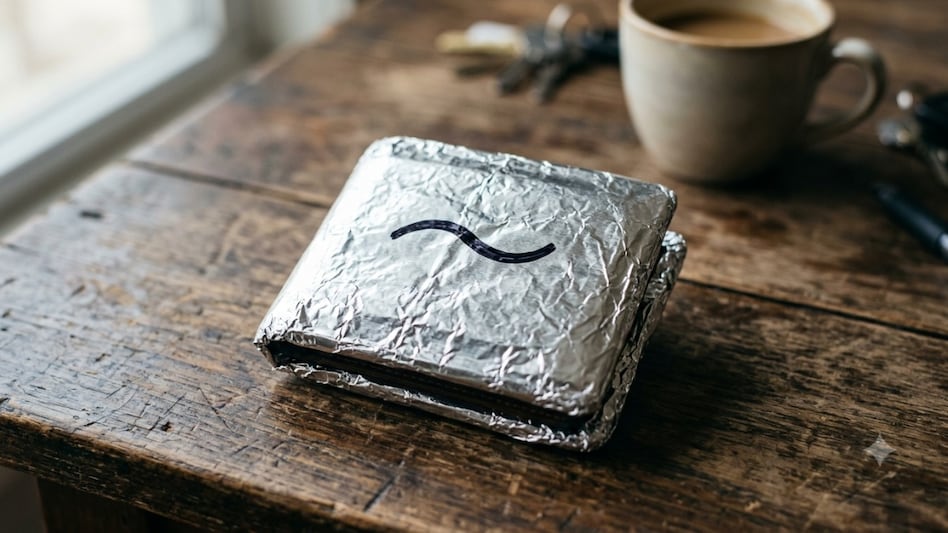
Elon Musk Faces Major Setbacks as Tesla and SpaceX See Significant Stock Declines
It has been a challenging week for Elon Musk, as both Tesla and SpaceX experienced substantial stock declines. Tesla sha...
CNBC | Jul 24, 2026, 20:40
Vietnam's Controversial Social Media Proposal: A New Approach for Youth Engagement
Vietnam is contemplating a distinctive approach to youth social media regulations, diverging from the more common outrig...
TechCrunch | Jul 24, 2026, 21:25