
ESA will pay an Italian company nearly $50 million to design a mini-Starship
In a significant move towards advancing space technology, the European Space Agency (ESA) has entered into a contract with Italian aerospace firm Avio, known for its small Vega rocket. This partnership aims to design a reusable upper stage that can operate in orbit, return to Earth safely, and be launched multiple times. This ambitious project poses challenges even greater than those faced in recovering and reusing rocket booster stages, a feat that European industries have yet to master. As SpaceX continues to lead the way with its Falcon 9 rocket featuring a recoverable booster, many companies across the United States, China, and Europe are striving to achieve similar success. Meanwhile, SpaceX is also focusing its efforts on Starship, an impressive fully reusable rocket that stands over 400 feet (120 meters) tall. Despite its resources and financial backing from one of the world's wealthiest individuals, SpaceX has encountered difficulties in perfecting the technologies necessary for Starship's success. Nonetheless, progress is being made, prompting other rocket manufacturers to explore similar designs. The ESA's contract with Avio, valued at approximately 40 million euros (around $47 million), was announced during the International Astronautical Congress in Sydney. Avio has stated its commitment to defining the necessary requirements, system designs, and technologies that will facilitate the development of a demonstrator vehicle. This vehicle is expected to return safely to Earth and be reused for future missions. At the conclusion of the two-year agreement, Avio is set to provide a preliminary design for the reusable upper stage along with the essential ground infrastructure to support its development. This preliminary design review is a critical early milestone in aerospace projects, often taking place years ahead of a rocket's actual launch. For instance, the Ariane 6 rocket, a centerpiece of European space endeavors, completed its preliminary design review in 2016, eight years before its inaugural flight. An artistic rendering released by Avio and ESA depicts the envisioned reusable upper stage, which bears a striking resemblance to SpaceX's Starship, featuring four flaps positioned strategically on both the top and bottom. The new upper stage will be integrated with a booster that resembles Avio's existing solid-fueled Vega rocket, although specific details regarding its size and performance have yet to be disclosed.
Accenture Unveils Innovative Salary Model to Enhance Employee Compensation
Accenture has introduced a fresh approach to salary increases, dividing approved raises equally between base salary and ...
Business Today | Jul 19, 2026, 13:30
India's Groundbreaking Leap in Precision Timing with White Rabbit Technology
In the realm of modern digital infrastructure, time stands as an unseen yet crucial component. Every mobile call, financ...
Business Today | Jul 19, 2026, 10:50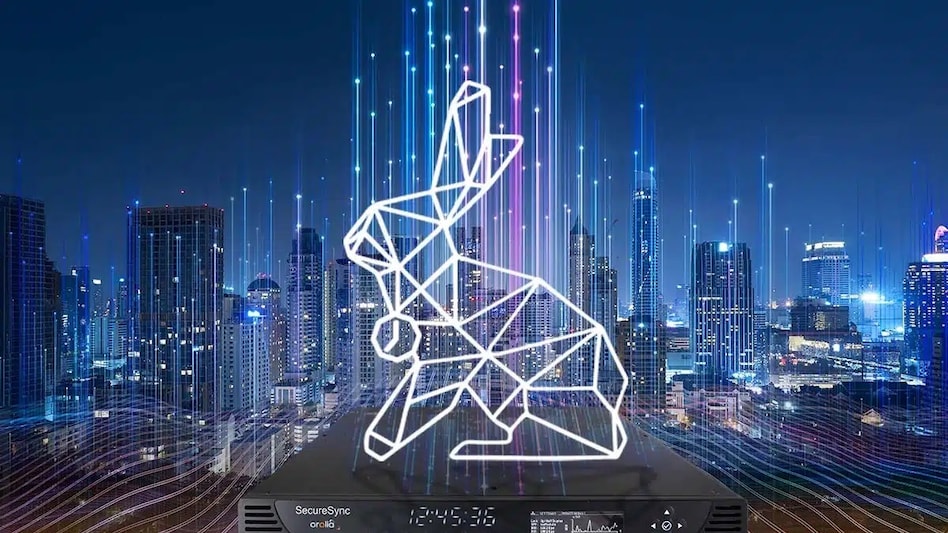
Christopher Nolan Warns: AI Might Be a Modern Trojan Horse
Renowned filmmaker Christopher Nolan, known for his latest adaptation of "The Odyssey," has expressed a cautious view to...
TechCrunch | Jul 19, 2026, 15:15
Nationwide Protests Erupt Against AI Data Centers as Communities Demand a Voice
A wave of grassroots activism swept across the United States on Saturday, as citizens rallied against the expansion of A...
Business Insider | Jul 18, 2026, 20:45The Evolution of Team Dynamics in the Age of AI
Silicon Valley is experiencing a significant transformation in team structures as the influence of artificial intelligen...
Business Insider | Jul 19, 2026, 10:05