
Europe at 'fork in the road' between AI competition and climate: fund managers
Europe finds itself at a critical junction as it weighs the urgency of competing in the global AI landscape against its longstanding environmental goals. Dan Ives from Wedbush Securities emphasizes that this represents a pivotal moment for the continent, where it must choose between engaging with future technologies or risking a significant technological gap. The challenge is further complicated by Europe's strict green energy regulations. While the United States is ramping up fossil-fuel power plants to support its growing AI data centers, Europe mandates that developers disclose their energy and water usage, creating additional hurdles that can delay project initiation. The European Union has earned praise for its ambitious environmental initiatives, including the upcoming carbon border tax. Nonetheless, critics argue that these policies may hinder business growth, leading many tech firms and startups to relocate to regions with more favorable regulatory environments, such as the U.S., Middle East, or Asia. As Europe strives to catch up in the AI sector, the demand for energy-intensive infrastructure is surging, which is becoming increasingly difficult to manage. Renewable energy was intended to replace more polluting sources, but concerns are mounting regarding the sustainability of these commitments. Paul Jackson, a regional strategist at Invesco, notes that as economic conditions fluctuate, the urgency of climate initiatives can diminish, making it tempting for policymakers to deprioritize environmental agendas. In contrast to the U.K.'s coal-free energy grid, many parts of Europe still rely on coal, raising alarms about potential delays in closing coal power plants. Jags Walia from Van Lanschot Kempen warns that the intersection of rising energy demand and the need for reliable power sources may force Europe to reconsider its transition away from fossil fuels. Over the past year, the EU has softened several environmental policies, such as postponing a ban on new combustion-engine cars and delaying an emissions trading system for buildings and transportation. While some view these adjustments as necessary pragmatism, others worry they signal a retreat from critical sustainability targets. Despite these challenges, AI advocates argue that advancements in technology could enhance energy efficiency and support a sustainable transition. A spokesperson for the European Commission highlighted the dual potential of AI to bolster energy resilience while addressing the growing demands on the grid. As Europe navigates this complex landscape, it must find ways to reconcile its ambitious climate objectives with the burgeoning demands of AI infrastructure. The ongoing adjustments to sustainability regulations may lead developers to rely on carbon credits and renewable energy certificates to offset emissions, creating a potential conflict between environmental goals and technological advancement. Ultimately, the race for AI dominance will strain Europe’s energy resources, highlighting the urgent need for a resilient energy strategy. Experts caution that addressing climate change remains a pressing business risk that cannot be ignored, as the implications of inaction could have far-reaching consequences for the continent's future.
Nvidia's Market Surge: The Impact of Jensen Huang's Return
In a rare turn of events, investors have placed a staggering monetary value on the leadership of Jensen Huang, Nvidia's ...
Business Insider | Nov 23, 2026, 17:45Meta's Net-Zero Pledge in Jeopardy: A Shift in Sustainability Strategy Raises Eyebrows
Meta's latest sustainability report casts doubt on its ambitious goal of achieving net-zero emissions by 2030. The compa...
TechCrunch | Nov 23, 2026, 17:30
Trump Claims Role in Jensen Huang's Return as Nvidia CEO Amid Security Concerns
On Monday, former President Donald Trump asserted that he played a pivotal role in convincing Nvidia's board to reinstat...
Business Today | Nov 23, 2026, 17:05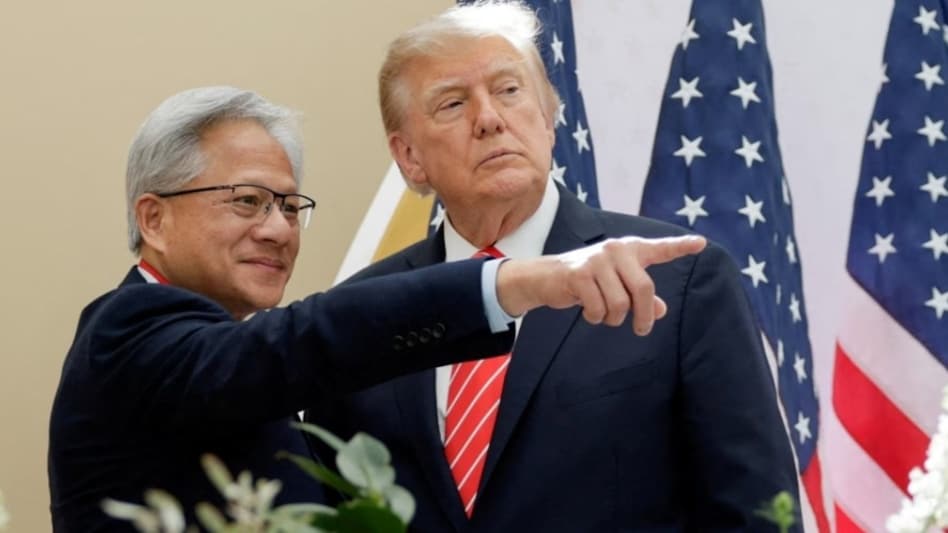
Trump Backs Jensen Huang's Comeback at Nvidia, Dismisses National Security Concerns
On Monday, President Trump expressed his support for Nvidia's decision to bring back founder Jensen Huang as CEO and pre...
TechCrunch | Nov 23, 2026, 15:35
Y Combinator Backs Legal AI Startup Led by Former Antitrust Officials
FluxCap, a promising legal AI startup co-founded by ex-Justice Department antitrust officials Jonathan Kanter and Doha M...
Business Insider | Nov 23, 2026, 15:10