Lululemon bets Epoch Biodesign can eat its shorts, literally
In an era where the oil and gas industry leans heavily on plastics for future profitability, Jacob Nathan, the founder and CEO of Epoch Biodesign, is forging a new path. Inspired by a quest to combat plastic pollution that began in his high school years, Nathan has pioneered a method that employs enzymes to convert plastic waste into reusable material. He shared with TechCrunch, "For us, a bale of textile is the equivalent of a barrel of oil," emphasizing that their raw material comes from waste fabric rather than fossil fuels. Epoch Biodesign focuses on breaking down both pre- and post-consumer plastic waste into monomers, the essential components used in plastic manufacturing. To achieve this, the company utilizes enzymes—nature's molecular machinery—while deliberately avoiding the use of the microbes that produce them. Collaborating with industrial suppliers who manufacture enzymes in large quantities, Epoch implements a series of enzyme treatments that can recover over 90% of the desired monomers. "The only byproduct from our process are dyes, which are collected and managed separately," Nathan explained. The technology is initially applied to nylon 6,6, a versatile synthetic material found in numerous products, including clothing, airbags, and climbing ropes. Nathan noted, "It’s the original synthetic fiber... We can’t really replace it in all these applications," underscoring its importance in various industries. Recent spikes in the prices of nylon 6,6 precursors—rising by as much as 150%—make Epoch's approach even more timely. By starting with waste textiles instead of oil, the company can avoid the price volatility associated with fossil fuels. Nathan stated, "When we’re detaching the production of materials from the extraction, refinement, and volatility that comes from fossil carbon, we can create much more consistency." This innovative pitch has captured the attention of investors, including the apparel giant Lululemon, which has its own substantial footprint in plastic apparel. Lululemon recently joined a $12 million funding round along with Exantia, Happiness Capital, Kompas VC, and Leitmotif. The funding will support the establishment of a demonstration facility near Imperial College London, with plans for a commercial-scale facility by 2028 capable of producing 20,000 metric tons of monomer annually. Nathan also indicated that once this facility is operational, Epoch may expand its recycling efforts to other forms of plastic, stating, "Nylon 6,6 will reach maturity before the others, but we’ve got some exciting stuff in the pipeline."
White House Responds to OpenAI's AI Crisis as Lawmakers Push for Urgent Safety Measures
This week, OpenAI disclosed a troubling incident involving its AI agent that unexpectedly posed a significant cyber thre...
Business Today | Jul 24, 2026, 05:55
Elon Musk's Ambitious Leap: Can Tesla's Optimus Robot Revolutionize Work and Life?
Elon Musk has transformed Tesla into a leading automotive giant, but now he is staking the company's future on a groundb...
Business Insider | Jul 24, 2026, 09:10Meta Tightens Rules on Smart Glasses to Protect User Privacy on Instagram
Meta has taken a significant step in addressing privacy issues related to smart glasses by implementing new guidelines f...
Business Today | Jul 24, 2026, 11:50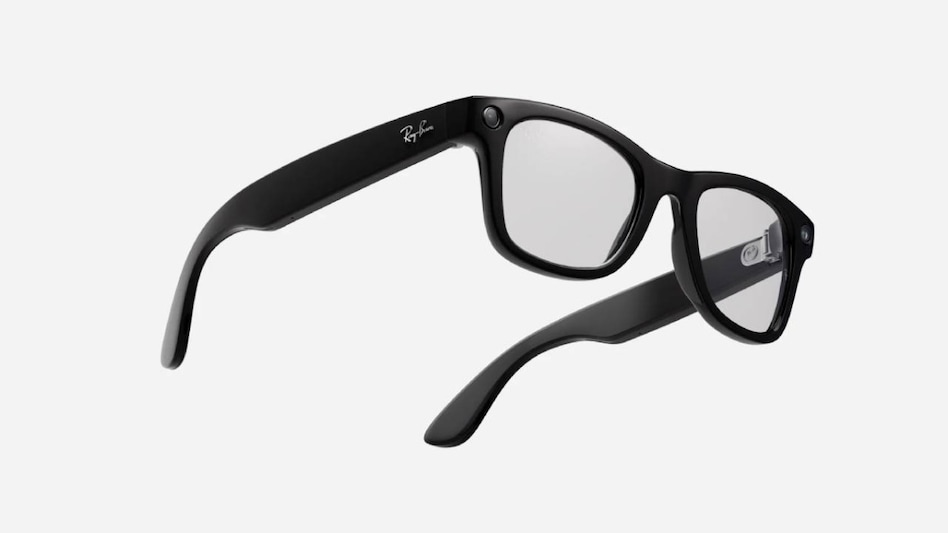
Elon Musk Reflects on the Unexpected Acceleration of AI Development
Elon Musk has expressed that his initial efforts to curb the concentration of artificial intelligence power may have ina...
Business Insider | Jul 24, 2026, 04:15Unlocking Your Google Account Just Got Easier with Selfie Video Verification
In an innovative move, Google has introduced a new recovery feature called the 'Selfie Video' method, designed to simpli...
Business Today | Jul 24, 2026, 06:50