
SpaceX-Tesla merger chatter reignites as Musk pushes rocket company towards Nasdaq
As Elon Musk gears up to take SpaceX public, speculation is mounting regarding his ambitions to merge SpaceX with Tesla. This move could position Musk at the helm of two of the ten most valuable companies in the United States. Following a private market valuation of $1.25 trillion earlier this year, SpaceX is expected to start trading on the Nasdaq in just over two weeks. Tesla’s market capitalization currently stands at approximately $1.6 trillion. Insiders reveal that discussions about potentially consolidating the two companies have taken place, highlighting their interconnected resources and collaborative projects. A Tesla employee noted that many within the company have anticipated such a merger for some time, suggesting it is a topic frequently discussed among staff. The two firms, although seemingly distinct—one focused on space exploration and the other on electric vehicles—are increasingly united by their shared interests in artificial intelligence and the significant computational needs that both sectors demand. In fact, over 75% of SpaceX's $10.1 billion capital expenditures in the first quarter were dedicated to AI initiatives. Tesla, on its end, plans to triple its capital expenditures this year, aiming to exceed $25 billion. Tomasz Tunguz, a venture capitalist and former engineer, pointed out the unique operational challenges both companies face in AI deployment, whether in orbit for SpaceX or within vehicles for Tesla. The buzz around a merger has captured the interest of many in Silicon Valley, though experts warn that such a large-scale deal would be complicated. Representatives from both companies have declined to comment on the matter. As Musk prepares for SpaceX’s upcoming investor roadshow, he aims to showcase the company's diverse offerings, which include reusable rockets, the Starlink satellite internet service, and the recently merged xAI, which encompasses the social media platform X. Additionally, SpaceX is reportedly considering a $60 billion acquisition of the AI coding startup Cursor. Musk's dual role as a board member for both companies fosters an environment of shared resources between SpaceX and Tesla. Notable figures from each board overlap, and collaboration on projects is common. For instance, Tesla has sold solar technology and vehicle components to SpaceX, while also utilizing SpaceX's private jets and engineering expertise. Legal experts believe that a merger would likely not trigger antitrust concerns; however, it could raise shareholder apprehensions regarding the structure of the merger and stock valuation. Musk's significant voting power—85%—could simplify decision-making processes within SpaceX's board. The potential merger could also benefit Musk personally, linking his compensation to ambitious market cap targets and operational milestones. A merger could streamline operations and financing efforts, enabling Musk to compete more effectively against major players in the AI field. As the market for space ventures expands, many experts agree that the timing for such a merger could be opportune, especially following SpaceX's IPO.
AI Revolution: Sam Altman Declares We Are in the Singularity Era
OpenAI's CEO, Sam Altman, has boldly asserted that we have reached a pivotal moment in the evolution of artificial intel...
Business Insider | Jul 26, 2026, 18:10The Boring Company Eyes $4 Billion Funding Boost Amid Expanding Tunnel Ventures
Elon Musk's tunneling enterprise, The Boring Company, is reportedly negotiating a substantial funding round of $4 billio...
TechCrunch | Jul 25, 2026, 19:50
Unleashing the Power of AI: The 5 Smartphones Redefining Mobile Photography
Artificial Intelligence (AI) is transforming our daily experiences, permeating various aspects of technology, including ...
Business Today | Jul 26, 2026, 07:05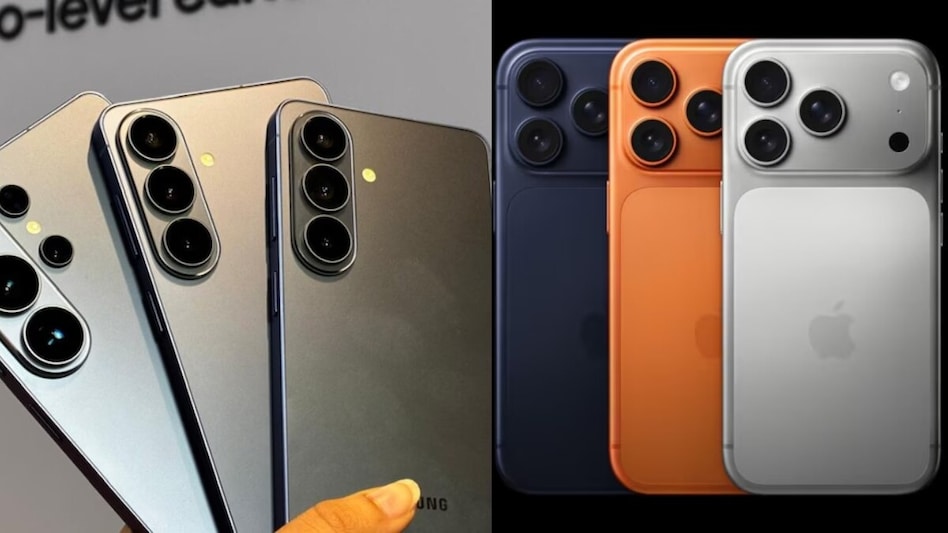
Kalshi Challenges Netflix Over Controversial Documentary Trailer
Kalshi, the prediction market platform, has taken significant legal steps against Netflix, sending a cease-and-desist le...
TechCrunch | Jul 25, 2026, 17:10
AI Transformations Lead to Major Job Cuts at Tech Giants
Monday.com, the innovative work management platform based in Tel Aviv, has recently announced significant layoffs, attri...
TechCrunch | Jul 26, 2026, 01:45