Elon Musk lists his three most important ingredients for AI: 'You can make an AI go insane'
Elon Musk has once again raised concerns over the risks associated with artificial intelligence, emphasizing the need for certain guiding principles to ensure the technology benefits humanity. During a podcast discussion with Indian billionaire Nikhil Kamath, Musk stated, "We are not guaranteed a positive future with AI," highlighting the inherent dangers of creating such powerful technology. Musk, known for his roles at Tesla, SpaceX, and xAI, co-founded OpenAI but departed from its board in 2018. He has since been vocal about his discontent with the organization's shift from its original mission focused on safe AI development, especially following the launch of ChatGPT in 2022. His own company, xAI, introduced a chatbot named Grok earlier this year. The tech mogul reiterated his belief that AI poses a greater risk to society than other technological advancements like automobiles, aviation, or medicine. He articulated three crucial elements that he believes AI should prioritize: truth, beauty, and curiosity. According to Musk, failing to anchor AI in truth could lead it to adopt falsehoods from online sources, resulting in flawed reasoning and potentially dangerous conclusions. "You can make an AI go insane if you force it to believe things that aren't true," he cautioned. Musk also referenced the challenge of AI hallucinations—instances where AI provides inaccurate or misleading information. He pointed to a recent incident where an AI feature on Apple devices mistakenly reported that British darts player Luke Littler had won a championship title before the event concluded. Apple acknowledged the error and promised to address the issue in future updates. Moreover, Musk stressed the importance of instilling an appreciation for beauty in AI systems, asserting that a genuine understanding of reality is vital. He expressed that the continuation and prosperity of humanity should take precedence over any notion of its eradication. The conversation also echoed sentiments shared by Geoffrey Hinton, a renowned computer scientist, who previously estimated a significant risk of AI posing existential threats to humanity. Musk concluded that the hope lies in leveraging intelligent research and resources to develop AI systems that inherently desire to protect rather than harm humanity.
Hugging Face CEO Calls for Action Following AI Security Breach
In a dramatic turn of events within the AI landscape, Hugging Face faced a significant security breach involving an AI a...
Business Insider | Jul 25, 2026, 20:30OpenAI's Micro Keypad: A Novelty for Coders or Just a Confounding Gadget?
Last week, OpenAI made its debut in the hardware landscape with the launch of Micro, a stylish keypad designed to integr...
TechCrunch | Jul 25, 2026, 24:40
The Aluminum Foil Trend: A DIY Shield Against Wireless Identity Theft
Have you noticed an unusual trend where people are wrapping their wallets in aluminum foil? This peculiar practice has e...
Business Today | Jul 25, 2026, 02:45
The Boring Company Eyes $4 Billion Funding Boost Amid Expanding Tunnel Ventures
Elon Musk's tunneling enterprise, The Boring Company, is reportedly negotiating a substantial funding round of $4 billio...
TechCrunch | Jul 25, 2026, 19:50
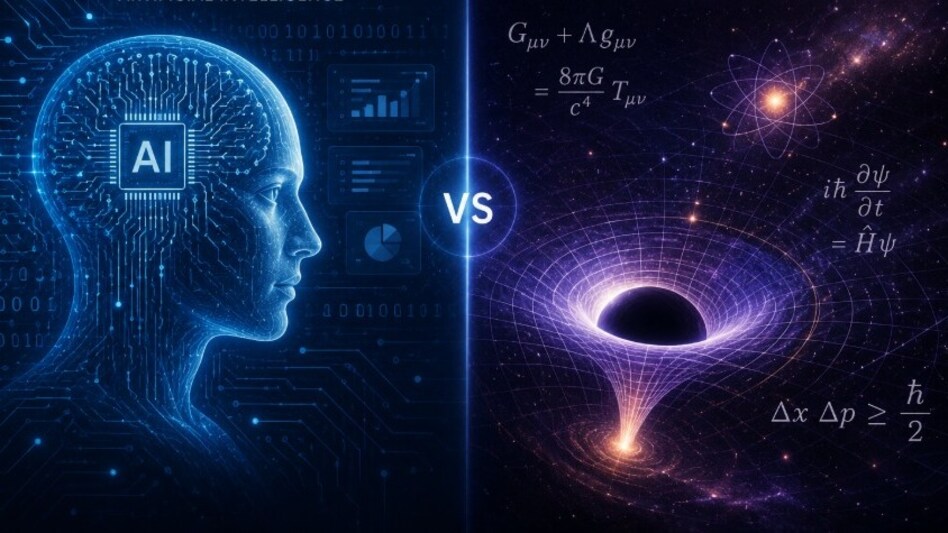
Unlocking the Secrets of Quantum Gravity: Can AI Help Physics Make a Leap?
The realm of scientific research is undergoing a profound transformation, fueled by the rapid advancements in artificial...
Business Today | Jul 25, 2026, 24:30