
Musk targets June 22 launch of Tesla’s long-promised robotaxi service
Elon Musk, the CEO of Tesla, has announced plans to initiate public rides in driverless vehicles in Austin, Texas, starting June 22. This timeline marks a significant step towards the long-awaited launch of his robotaxi service. However, Musk noted that this date might be subject to change as Tesla is prioritizing safety in its operations. In recent weeks, Tesla Model Y SUVs have been observed navigating the streets of Austin without any drivers at the wheel. Earlier reports suggested a potential launch date of June 12, but Musk's commitment to safety has led to a cautious approach. Musk has long envisioned a future where Teslas operate autonomously. Back in 2019, he confidently stated that Tesla would roll out a robotaxi service in 2020, boasting a fleet of a million self-driving vehicles. Unfortunately, that goal has yet to materialize. Instead, Tesla has focused on refining its Full Self-Driving (FSD) software, which still requires driver oversight in certain situations. Currently under investigation by the National Highway Traffic Safety Administration due to several incidents, including a fatal pedestrian collision, the FSD software's safety record has come into question. Despite these concerns, Musk believes that Tesla has advanced its FSD technology to the point where it can operate without supervision. He remarked that every Tesla manufactured is now capable of unsupervised driving. However, this new capability comes with restrictions. Musk clarified that the initial fleet of around ten vehicles will operate in designated "safest" areas of Austin. Additionally, these Teslas have been seen repeatedly in a specific neighborhood, likely collecting data to enhance their performance in those zones. This approach marks a shift from Musk's earlier assertions that FSD would be universally applicable without human intervention. Tesla's current strategy mirrors that of Waymo, which is already running a commercial robotaxi service in various U.S. cities, indicating a more cautious rollout method. Moreover, Musk's recent claims about the unsupervised capabilities of new Teslas contradict his earlier statements from 2016, when he asserted that all Tesla vehicles were equipped with the necessary hardware for full autonomy. Since then, Tesla has updated its FSD hardware multiple times, and Musk has acknowledged that many vehicles will require upgrades to implement the latest software, leaving questions about the feasibility of such enhancements.
OpenAI Welcomes Arvind KC as Chief People Officer to Drive Workforce Growth Amid AI Revolution
OpenAI has announced the appointment of Arvind KC as its new Chief People Officer, a strategic move aimed at steering th...
Business Today | Feb 25, 2026, 07:25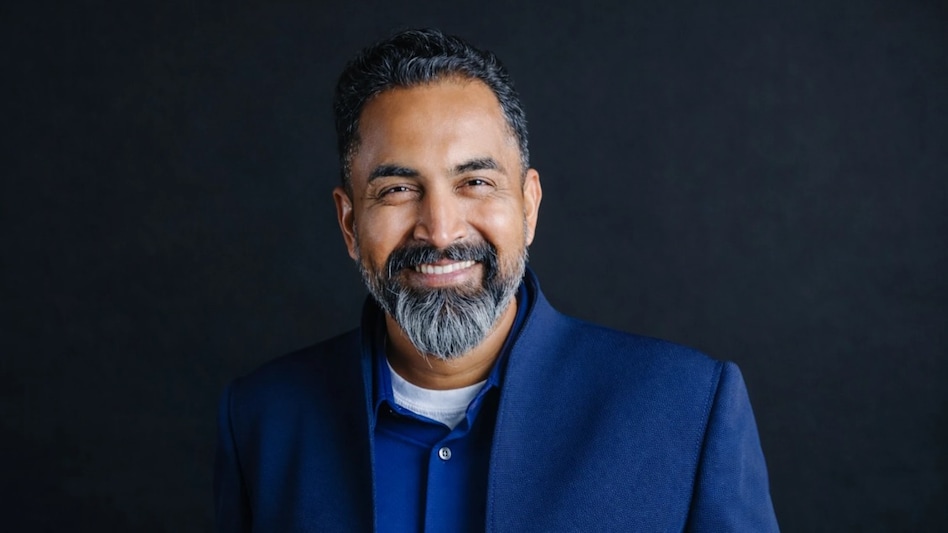
Transforming Communication: Tanay Kothari's Vision for a Voice-First Future with Wispr Flow
Tanay Kothari envisions a world where the next generation is not confined to screens. The entrepreneur, originally from ...
Business Today | Feb 25, 2026, 05:15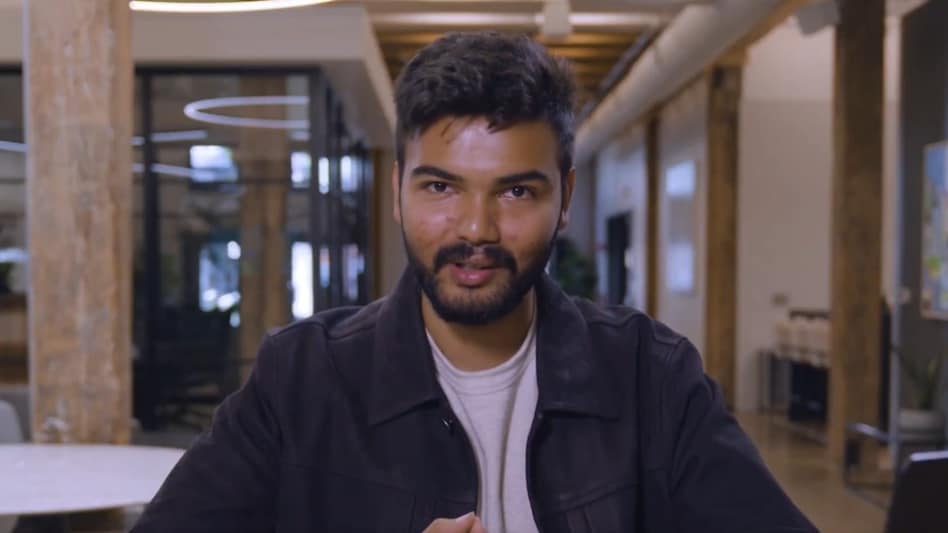
BillDesk Expands Digital Payment Horizons with Worldline India Acquisition
In a strategic move to enhance its omnichannel payment capabilities, BillDesk announced on February 25 that it will acqu...
Business Today | Feb 25, 2026, 09:50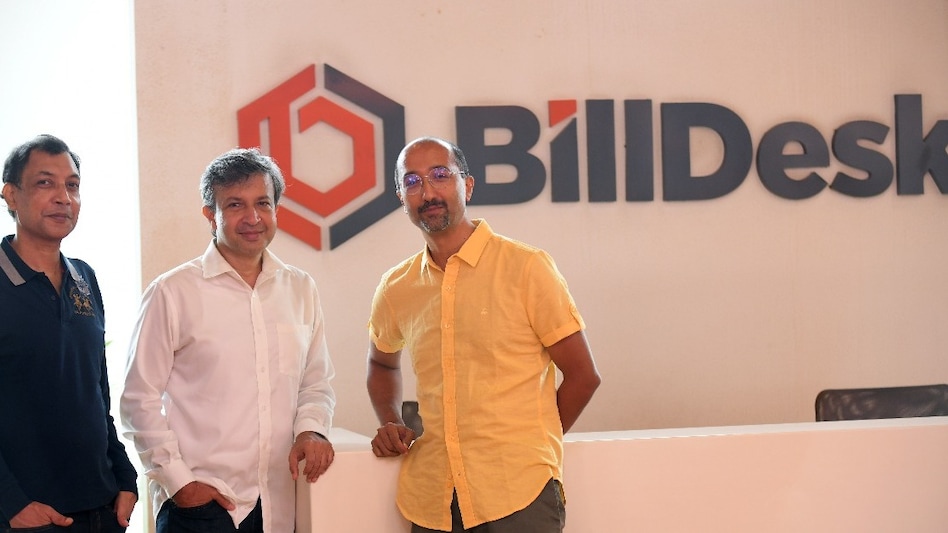
The Future of Work: Anthropic's Warning on AI's Job Disruption Potential
In a groundbreaking release, Anthropic has unveiled its latest safety framework for advanced artificial intelligence (AI...
Business Today | Feb 25, 2026, 06:55
Braving the Unknown: Why Some Big Tech Employees Are Choosing To Leave Their High-Paying Jobs
In a time when job security seems precarious, a number of tech professionals are making the bold choice to resign from t...
Business Insider | Feb 25, 2026, 10:10