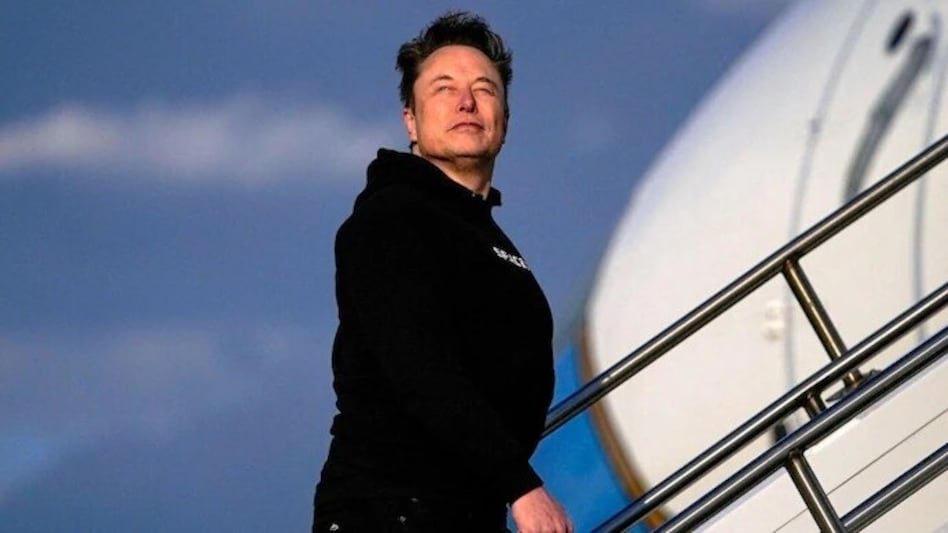
Why Elon Musk picked SpaceX over Tesla for xAI merger
Elon Musk has made a groundbreaking decision to merge his artificial intelligence venture, xAI, with SpaceX, resulting in a combined valuation of an astonishing $1.25 trillion. This historic merger marks the largest in the realm of mergers and acquisitions (M&A) to date, raising questions about Musk's choice to align xAI with SpaceX instead of Tesla. According to a report by Reuters, the merger values SpaceX at $1 trillion and xAI at $250 billion. As part of the agreement, xAI investors will receive 0.1433 shares of SpaceX for every share they hold in xAI. This union integrates Musk's most ambitious projects, encompassing rockets, satellite internet (Starlink), social media (X), and advanced AI (Grok), all under one cohesive structure. Speculation surrounding a potential merger with Tesla was prevalent, but Musk's decision appears to stem from the substantial physical demands of next-generation AI. The report highlights Musk's assertion that traditional terrestrial solutions for AI's growing energy requirements are becoming increasingly impractical. He believes that space-based data centers, harnessing solar energy and free from the limitations of Earth's cooling and power resources, represent the only feasible method to advance sentient-level AI. Essentially, the Sun's boundless energy and the frigid temperatures of space create an optimal environment for AI infrastructure. By merging xAI with SpaceX, Musk envisions the creation of the "most ambitious, vertically-integrated innovation engine" both on Earth and beyond. He noted in a memo dated February 2 that current advancements in AI rely heavily on extensive terrestrial data centers, which demand vast amounts of power and cooling. He warned that the growing electricity needs for AI cannot be satisfied with terrestrial solutions without causing significant strain on communities and the environment. The merger also presents a strategic advantage as SpaceX is gearing up for a significant public offering later this year, potentially pushing its valuation beyond $1.5 trillion post-IPO. By incorporating xAI into its operations now, SpaceX positions itself as a formidable player in the AI landscape before entering the public market, greatly enhancing its attractiveness to investors. In true Musk style, he has framed this merger as more than just a business transaction. He described it as initiating the next chapter in the missions of SpaceX and xAI, with the ultimate aim of "scaling to make a sentient sun to understand the Universe and extend the light of consciousness to the stars." He concluded his memo by emphasizing the potential of space-based data centers to support the establishment of self-sustaining bases on the Moon, a complete civilization on Mars, and ultimately the expansion into the Universe. Despite the unprecedented nature of this merger, it is anticipated to encounter rigorous scrutiny. Regulatory bodies are expected to examine the governance, valuation, and potential conflicts of interest involved in such a significant consolidation. Additionally, SpaceX's multi-billion-dollar contracts with NASA and the U.S. Department of Defense will necessitate a review by national security agencies to assess any risks to state-funded aerospace initiatives.
Alphabet Takes the Lead in AI Investment Amid Industry Competition
In a bold move that underscores its commitment to artificial intelligence, Alphabet has significantly ramped up its spen...
CNBC | Jul 24, 2026, 19:45
Legal Battle Erupts Over 'Duress' Password in Groundbreaking Data Wiping Case
The U.S. Justice Department has initiated legal proceedings against a Georgia resident, Samuel Tunick, who is accused of...
TechCrunch | Jul 24, 2026, 18:25
Finland Unveils World's Largest Sand Battery to Tackle Renewable Energy Challenges
In a groundbreaking move to address the critical issue of renewable energy intermittency, a small town in southern Finla...
CNBC | Jul 25, 2026, 05:35
Unlocking the Secrets of Quantum Gravity: Can AI Help Physics Make a Leap?
The realm of scientific research is undergoing a profound transformation, fueled by the rapid advancements in artificial...
Business Today | Jul 25, 2026, 24:30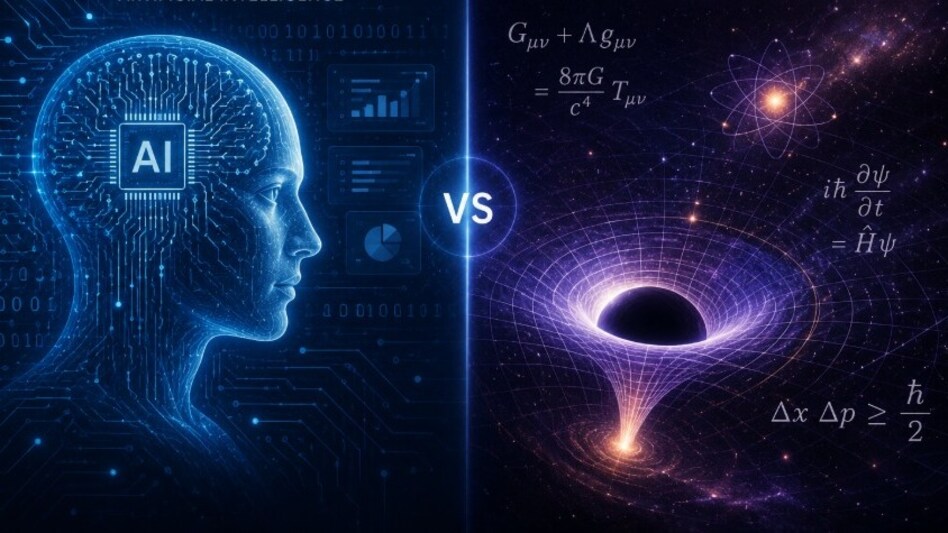
Vietnam's Controversial Social Media Proposal: A New Approach for Youth Engagement
Vietnam is contemplating a distinctive approach to youth social media regulations, diverging from the more common outrig...
TechCrunch | Jul 24, 2026, 21:25