
From survival to thriving: Elon Musk pitches universal high income as AI reshapes economy
In a transformative vision for the future, Elon Musk, CEO of Tesla, proposes that as artificial intelligence and robotics fulfill every material need, society should evolve from Universal Basic Income (UBI) to Universal High Income (UHI). During a discussion with investor Nikhil Kamath on the People of WTF podcast, Musk painted a picture of a world where human survival is no longer the economic goal due to the vast abundance generated by autonomous technologies. Musk has traditionally supported UBI, a model where citizens receive a basic stipend regardless of their employment status, to cushion the effects of automation-induced job losses. However, he now believes that merely ensuring basic survival is insufficient in today's rapidly advancing technological landscape. "We’re talking about a post-scarcity world," Musk asserted, highlighting that the core challenge will shift from productivity to distribution. In this envisioned future, individuals won’t just survive; they will thrive, gaining access to a wide array of goods, services, and experiences that were once seen as luxuries. Musk’s transition from UBI to UHI relies on a significant increase in productivity, facilitated by robots and AI systems that will take on roles in manufacturing, logistics, coding, and caregiving. With the elimination of supply constraints, prices will fall, making a comfortable lifestyle universally attainable. As Musk aptly puts it, "You can think it, and you can have it." For developing nations like India, Musk's outlook may initially appear overly ambitious or even utopian. However, it resonates deeply within the context of the country's challenges, which include a burgeoning population and limited job opportunities. While the digital economy is opening new avenues, millions remain in low-paying, low-skill positions. UHI shifts the focus from mere employment to the concepts of dignity, access, and aspiration. Beyond economic implications, Musk’s UHI concept embodies a philosophical shift. Instead of replacing the work ethic, it encourages a redefinition of human purpose. If survival no longer depends on work, what pursuits will individuals choose? How will we fill our time in a world where necessities are automated? While Musk did not provide all the answers during the podcast, he emphasized a pivotal notion: "The future is going to be weird." It may be unconventional, but it also holds the promise of liberation.
AI-Driven Overhaul for Prime Video: Bezos Aims to Transform Your Viewing Experience
In a bold move to enhance user engagement, Jeff Bezos is spearheading a significant redesign of Prime Video, emphasizing...
Business Today | Jul 24, 2026, 10:55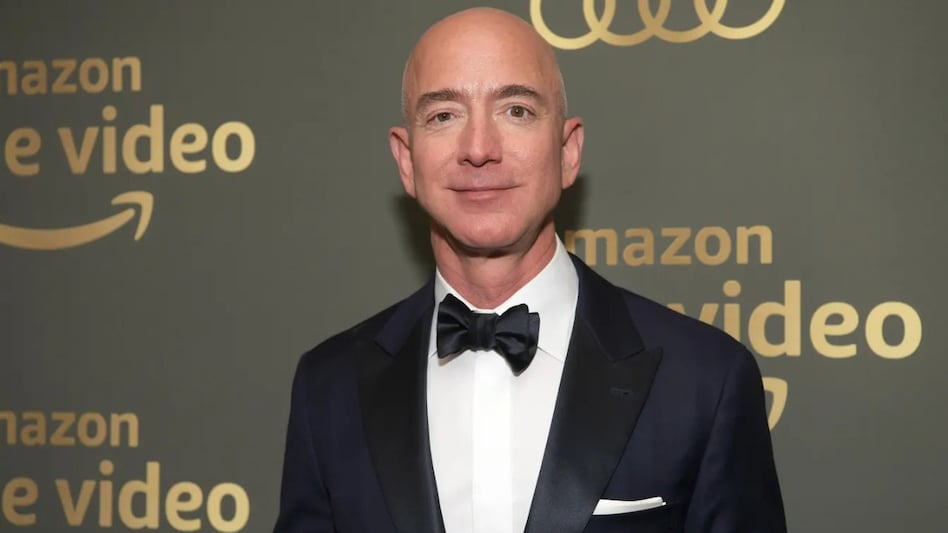
Australia Gears Up for Startup Showdown: Meet the Judges Who Will Shape the Future
The excitement is building as TechCrunch Startup Battlefield makes its way to Australia, in collaboration with Stripe, t...
TechCrunch | Jul 24, 2026, 24:30
Elon Musk's Ambitious Leap: Can Tesla's Optimus Robot Revolutionize Work and Life?
Elon Musk has transformed Tesla into a leading automotive giant, but now he is staking the company's future on a groundb...
Business Insider | Jul 24, 2026, 09:10Divorce Drama: Tech Mogul's Ex-Wife Faces Setback in AI Wealth Battle
The surge in wealth from the booming AI industry is reshaping fortunes, yet the former spouse of one of South Korea's le...
CNN | Jul 24, 2026, 05:45
Nvidia's Jensen Huang Calls for a More Balanced AI Narrative Amid Growing Public Concerns
In a recent interview, Nvidia's CEO Jensen Huang urged leaders in the artificial intelligence sector to adopt a more con...
Business Insider | Jul 24, 2026, 09:50