ElevenLabs' CEO says his startup runs on 20 micro teams — and he still interviews every hire
Mati Staniszewski, the CEO and co-founder of ElevenLabs, has revealed that the voice-cloning AI startup operates uniquely with around 20 micro-teams, each consisting of five to ten members. This approach, he explained in a recent episode of the "Twenty Minute VC" podcast, allows the company to innovate swiftly and efficiently without the constraints of traditional corporate bureaucracy. Rather than expanding into large departments, each micro-team oversees specific product areas, ranging from studio interfaces to enterprise voice agents. Staniszewski emphasized that increasing headcount does not inherently solve problems, stating, "More people frequently doesn't fix the problem. You don't need that many people to do something special." As of now, ElevenLabs boasts a workforce of 330 employees and has surpassed $200 million in revenue, with projections indicating it may exceed $300 million by the end of the year. This represents a significant shift from their earlier goal of reaching $100 million in annual revenue by the close of 2024. Notably, ElevenLabs has been outperforming larger competitors like OpenAI in voice-AI benchmarks, securing multimillion-dollar contracts, which Staniszewski attributes to the company's agile and capable team. Looking ahead, ElevenLabs plans to grow its workforce to approximately 400 while maintaining its micro-team structure. Impressively, Staniszewski and his co-founder continue to personally interview each potential hire. He sees this as a crucial part of ensuring the right cultural fit, expressing his intention to keep this practice for as long as possible. The company has a variety of open positions listed on its website, including roles for research engineers, data scientists, and sales executives. Additionally, ElevenLabs announced a $100 million tender offer for employees to cash out some of their shares, which has been backed by Sequoia and Iconiq, valuing the startup at $6.6 billion—double its valuation from just nine months prior. The trend towards smaller, agile teams is not limited to ElevenLabs; it is being echoed across the tech landscape. Mark Zuckerberg recently noted that smaller, talent-dense teams may be optimal for driving cutting-edge research at Meta. Similarly, AI startups like Hightouch are embracing this model, with co-founder Kashish Gupta reporting that the company has achieved significant funding while keeping its team lean at about 55 engineers. This operational strategy underscores a growing belief in the effectiveness of empowered, self-sufficient teams in tech innovation.
Last Call for Tech Innovators: Secure Your Side Event Spot at Disrupt 2026!
This is your final opportunity to make a mark at TechCrunch Disrupt 2026. The deadline to submit your application for ho...
TechCrunch | Sep 08, 2026, 22:45
The Cost of Adding Humanoid Robots to Your Factory: Insights from Agility Robotics
Are you considering the integration of a humanoid robot into your manufacturing process? Agility Robotics has shed light...
Business Insider | Sep 09, 2026, 04:30Essential Factors to Consider When Purchasing a Laptop in 2026
When it comes to buying a laptop in 2026, the decision goes far beyond simply looking for a powerful processor. Several ...
Business Today | Sep 09, 2026, 01:55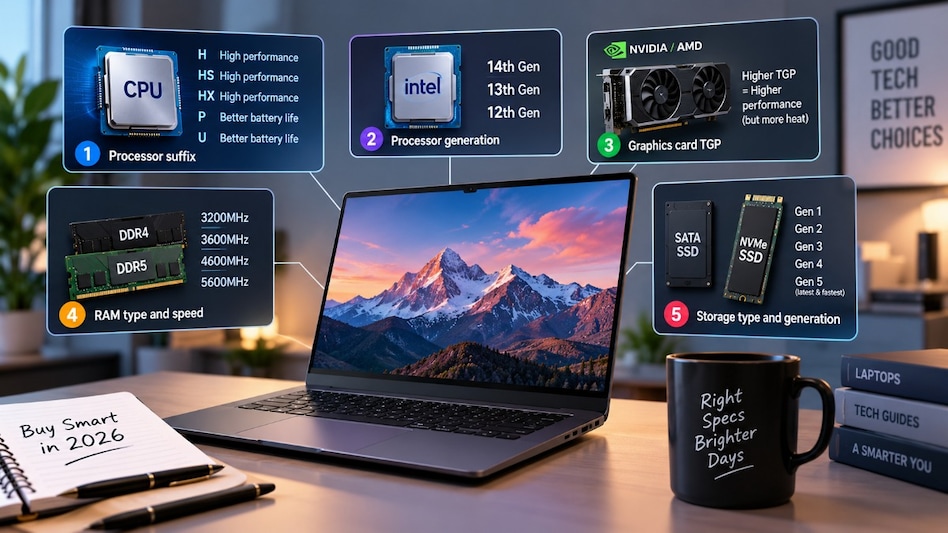
Anticipation Builds for Apple's 2026 Product Showcase: iPhone 18 Pro and More
Apple is gearing up for one of its most significant product launches of the year, with CEO John Ternus set to lead his i...
Business Today | Sep 09, 2026, 04:50
AI Researcher Exits Anthropic, Raises Alarm Over Safety Concerns in Tech Race
A recent resignation at Anthropic has highlighted escalating safety concerns within the AI industry. Jacob Coxon, a rese...
Business Insider | Sep 09, 2026, 04:50