
DOJ sues states that rejected ICE requests for undercover license plates
The Department of Justice (DOJ) has initiated legal proceedings against four states, accusing them of implementing policies that prevent ICE agents from registering undercover license plates. This move comes amid ongoing claims by the Trump administration that certain online platforms, including ICEList.info and ICESpy.org, are facilitating the doxing of federal agents, although no substantial evidence has been presented to support these allegations. In its lawsuits, the DOJ argues that the states’ restrictions are unconstitutional, as they impose different standards on federal officers compared to state officers who can easily access undercover plates. The DOJ contends that denying these registrations puts ICE agents at risk of heightened harassment and makes it easier for individuals targeted by ICE to evade arrest. Moreover, the DOJ claims that confidential license plate registrations safeguard officers by preventing public records requests that could expose their personal information. This protection is deemed essential, particularly as activists and ICE observers across the United States document and share ICE activities online. The DOJ argues that restricting license plate accessibility would mitigate the dangers of doxing. However, the DOJ's assertions rely heavily on the identification of the aforementioned monitoring websites, which proponents argue are protected by First Amendment rights. For instance, ICESpy.org employs facial recognition technology to match images of ICE agents with publicly available LinkedIn profiles, ensuring that users can only access information that ICE personnel have voluntarily shared online. The site explicitly warns that threatening federal employees is a criminal offense and emphasizes that it cannot be used for harassment, as there is no additional information available beyond what agents post publicly on LinkedIn.
The Aluminum Foil Trend: A DIY Shield Against Wireless Identity Theft
Have you noticed an unusual trend where people are wrapping their wallets in aluminum foil? This peculiar practice has e...
Business Today | Jul 25, 2026, 02:45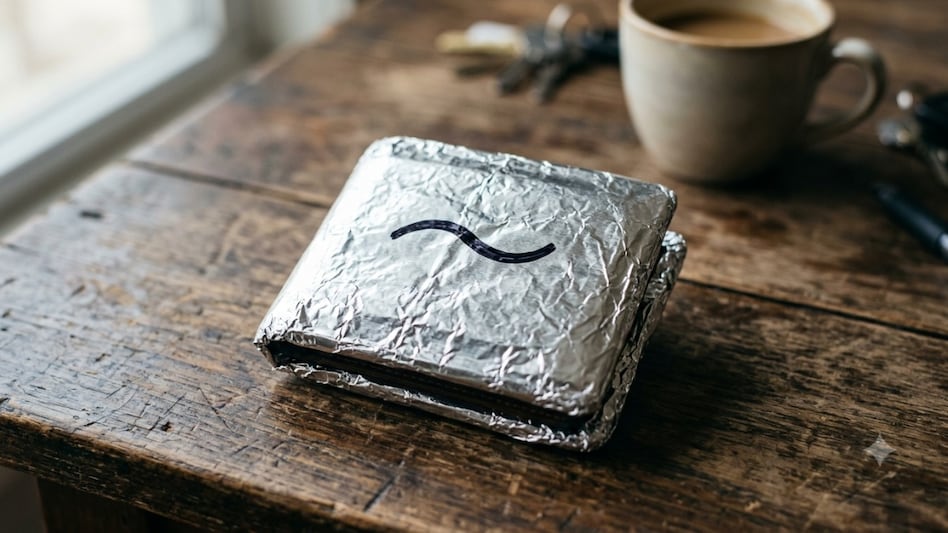
Linux Creator Challenges Developers: Embrace AI or Fork Off!
In a recent discussion surrounding the use of AI in software development, Linus Torvalds, the founder of Linux, voiced h...
Business Insider | Jul 26, 2026, 13:10Nvidia Strikes Major Deal with SK Hynix to Secure AI Memory Supply
Nvidia has successfully forged a significant partnership with South Korea's SK Hynix to secure memory supplies essential...
CNBC | Jul 25, 2026, 05:15
The Elusive Phineas Fisher: The Hacktivist Who Took Down Spyware Giants
In the realm of cybersecurity, few figures are as intriguing as Phineas Fisher, a hacker who has evaded capture for near...
TechCrunch | Jul 25, 2026, 21:00
AI Transformations Lead to Major Job Cuts at Tech Giants
Monday.com, the innovative work management platform based in Tel Aviv, has recently announced significant layoffs, attri...
TechCrunch | Jul 26, 2026, 01:45