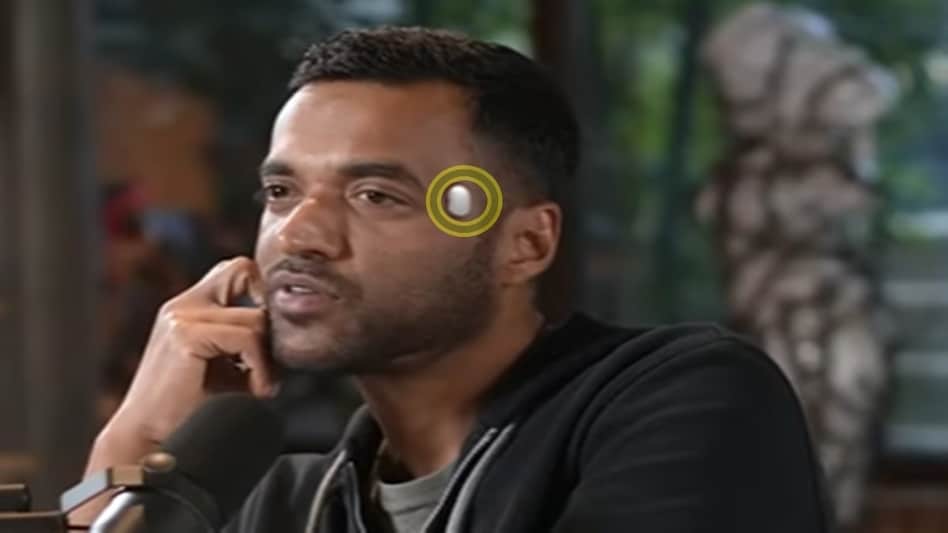
‘Don't waste money...’: AIIMS doctor calls Deepinder Goyal’s ‘Temple’ device a ‘fancy toy’
The conversation surrounding Deepinder Goyal, founder and CEO of Zomato, has sparked fresh debate regarding his 'Temple' device, which he claims is designed to measure brain blood flow. In a recent podcast, Goyal discussed the device and his associated 'Gravity Aging Hypothesis,' but not all experts are convinced of its validity. Dr. Suvrankar Datta, a respected radiologist and researcher at AIIMS Delhi, has openly criticized the device, stating that it lacks scientific credibility. He emphasized on social media that the current evidence supporting the Temple device is virtually nonexistent. As a physician-scientist with expertise in arterial stiffness and pulse wave velocity, Dr. Datta warned against spending money on what he termed 'fancy toys' that are marketed without a solid scientific foundation. Dr. Datta's primary concern centers around the methodology the Temple device claims to utilize for assessing blood flow to the brain. He pointed out that carotid-femoral pulse wave velocity (cfPWV) remains the only scientifically validated measure for predicting cardiovascular mortality, and any alternative approach must undergo rigorous testing. He criticized the use of the temporal artery as a surrogate, arguing that it is not a reliable indicator of overall blood flow and could lead to misleading conclusions. His critiques extend beyond personal opinions; they are rooted in the principles of evidence-based medicine. Devices that propose to measure intricate biological processes must be supported by long-term, peer-reviewed studies before being deemed credible or safe for public use. Additionally, the scrutiny on Goyal's 'Gravity Aging Hypothesis' has intensified. Proposed in November 2025, this theory suggests a link between gravity and reduced cerebral blood flow over time, potentially contributing to aging. When asked about the scientific basis of this hypothesis, Dr. Datta emphasized that as of now, there is no substantial evidence to support it, cautioning against presenting such theories as facts without adequate validation. Medical professionals, including Dr. Cyriac Philips, have echoed similar concerns, warning against the risk of oversimplifying complex aging processes, which could mislead the public. Despite the backlash, Goyal maintains that the Temple device is experimental and part of his ongoing personal research. He has expressed intentions to eventually make the device available to the public, drawing both intrigue and skepticism. This renewed discussion underscores the ongoing conflict between innovative technology and established medical science. While exploring new ideas is vital for progress, healthcare experts insist that any health-related claims must be substantiated by rigorous evidence, particularly when aimed at consumers.
Bluesky's Attie Transforms into a Comprehensive Research Tool
Bluesky's AI assistant, Attie, is taking a significant leap forward by evolving into a versatile research tool aimed at ...
TechCrunch | Jul 24, 2026, 15:25
Revolutionizing Interaction: ChatGPT Desktop App Introduces Voice Control
OpenAI has unveiled an exciting update for its ChatGPT desktop application, introducing a voice control feature that ena...
TechCrunch | Jul 24, 2026, 14:00
Arsenal Seeks AI Engineer to Revolutionize Football Strategy
Arsenal Football Club is on the lookout for a unique addition to its team—not a player, but a research engineer to spear...
Business Today | Jul 24, 2026, 17:20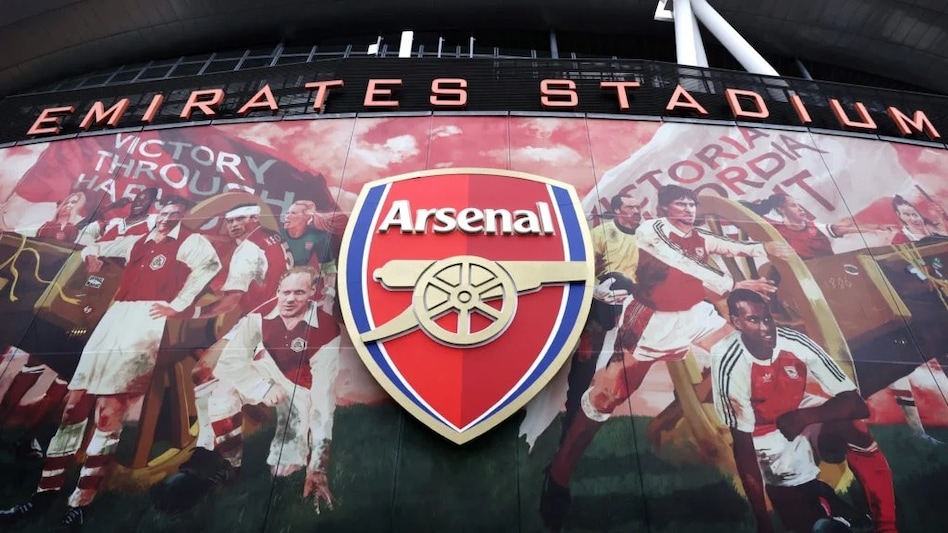
Anthropic Unveils Claude Opus 5: A Game-Changer in Cost-Effective AI
Anthropic has officially launched its latest AI model, Claude Opus 5, which the company claims is its most efficient and...
CNBC | Jul 24, 2026, 17:20
Tech Giants Unite to Advocate for Open-Weight AI Models Amid Regulatory Concerns
A coalition of major technology companies, including Nvidia, Microsoft, Meta, and Palantir, has issued a call to action ...
CNBC | Jul 24, 2026, 14:30