
Hallucinogen DMT an effective antidepressant in small clinical trial
In recent years, a growing body of research has suggested that psychedelic substances may offer swift relief for individuals suffering from clinical depression. These substances appear to enhance the brain's capacity to restructure neural connections and assimilate new experiences. While scientists have identified the proteins linked to the hallucinogenic effects of these drugs, the precise mechanisms through which they facilitate brain adaptability remain under investigation. Despite existing uncertainties, the pursuit of transformative treatments continues unabated. One of the notable challenges faced by researchers is the potential incapacitation caused by hallucinatory episodes, which can linger for hours post-treatment. However, recent findings have highlighted the potential of DMT (dimethyltryptamine), recognized as the shortest-acting psychedelic, to be equally effective as its longer-lasting counterparts. DMT is often associated with ayahuasca, a ceremonial brew created from a blend of various plants. This concoction is crucial due to the presence of a chemical that inhibits an enzyme responsible for rapidly breaking down DMT, thus extending its effects. Without this inhibitor, DMT is quickly metabolized by the body, boasting a half-life of merely five minutes. This rapid clearance suggests that DMT could serve as an efficient treatment option, allowing patients to be discharged soon after administration. However, there are concerns that such brief stimulation may not induce the same enduring changes in brain chemistry that other psychedelics might achieve. Initial evidence for DMT's antidepressant properties has been somewhat limited. To deepen understanding, a collaborative effort led to a small clinical trial across several hospitals in London, aiming to assess the substance's effects more thoroughly. The trial featured a blinded study design, where participants received either a single dose of DMT or a placebo, along with counseling for depression. In total, 94 participants—47 in each group—were involved. Two weeks post-initial dose, all participants received an open-label DMT treatment. The feasibility of conducting a blinded psychedelic trial hinges largely on whether placebo-induced hallucinations can occur, a point that remains contentious. Throughout the study, depression symptoms were monitored weekly for 14 weeks following the initial dosage.
The Aluminum Foil Trend: A DIY Shield Against Wireless Identity Theft
Have you noticed an unusual trend where people are wrapping their wallets in aluminum foil? This peculiar practice has e...
Business Today | Jul 25, 2026, 02:45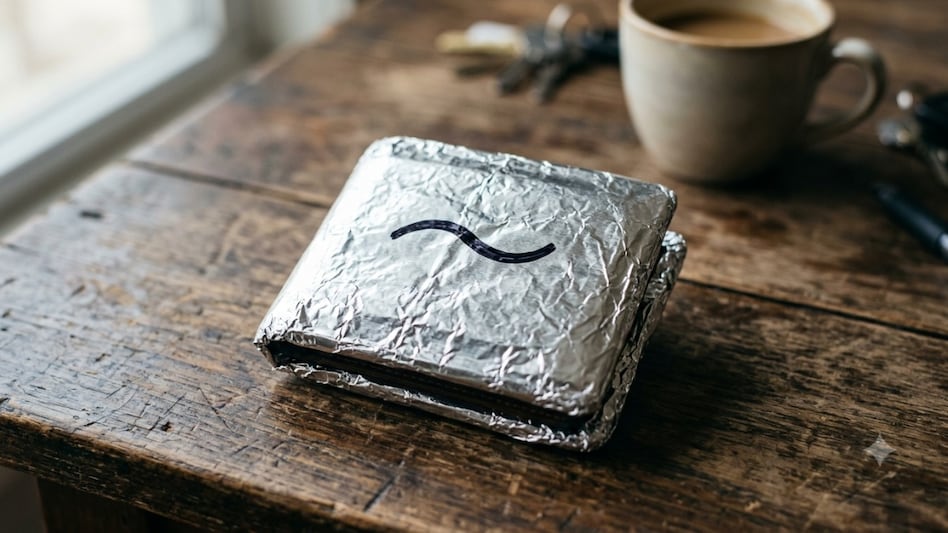
Reclaiming Control: Librarians Host Workshops to Help People Navigate AI Tools
In a lively library setting in South Philadelphia, Charlie Bailey, a local librarian, humorously noted, "Everybody’s on ...
TechCrunch | Jul 25, 2026, 16:20
Shifting Focus: The Cost-Effectiveness of AI Models Takes Center Stage
In recent years, the AI sector has been intensely focused on identifying the most advanced models. While this pursuit re...
Business Insider | Jul 25, 2026, 13:10The Rise of AI Distillation: A Controversial Technique Sparks Debate in Tech and Government
In recent discussions, a once-obscure topic in artificial intelligence has surged to the forefront of debates among tech...
CNBC | Jul 25, 2026, 12:15
Hugging Face CEO Calls for Action Following AI Security Breach
In a dramatic turn of events within the AI landscape, Hugging Face faced a significant security breach involving an AI a...
Business Insider | Jul 25, 2026, 20:30