MAGA is once again divided over AI
The debate among Republicans over artificial intelligence is reigniting, with former President Donald Trump advocating for a uniform federal standard to regulate the sector. In a recent post on Truth Social, Trump warned that state regulations could jeopardize the growth of the AI industry, calling for a cohesive federal approach rather than the current fragmented system across 50 states. Trump's administration is reportedly drafting an executive order that would empower the Department of Justice to challenge state-level AI regulations, although a White House representative cautioned that any discussions about executive orders remain speculative until formal announcements are made. This situation echoes a previous summer conflict when Republican lawmakers attempted to impose a 10-year moratorium on state-level AI regulations within a larger legislative package. Representative Marjorie Taylor Greene from Georgia voiced her opposition on social media, asserting that states must maintain their authority to regulate AI for their local benefit. She emphasized the importance of preserving federalism in this context. Ultimately, the proposed AI regulation was removed from the major bill following a 99-1 Senate vote after intense discussions among party members. In light of this ongoing debate, Trump has indicated his support for integrating AI regulation provisions into the National Defense Authorization Act (NDAA), a critical piece of legislation. House Majority Leader Steve Scalise confirmed that Republicans are contemplating this strategy, reinforcing the belief that a unified approach is essential to foster the AI industry and maintain competitiveness against China. Supporters argue that disparate laws across states could hinder AI development, while critics argue that states should retain the right to establish safety regulations, especially in the absence of comprehensive federal guidelines. Senator Josh Hawley expressed concern, stating that inclusion of such provisions in the NDAA could create significant challenges. Among those opposing Trump's push are several Republican governors, including Ron DeSantis of Florida and Sarah Huckabee Sanders of Arkansas. DeSantis articulated that limiting state jurisdictions would essentially benefit large tech companies, while further exacerbating issues like online censorship and children’s safety. Sanders, who previously led 20 states in opposing the AI moratorium, urged for the preservation of state rights to regulate AI and protect local communities.
Jack Selby of Copper Sky Capital Invests in Emerging Tech Firm Etched with Arizona Ties
Etched, a rising competitor to Nvidia, made headlines this week by announcing that TSMC successfully produced its inaugu...
TechCrunch | Jul 02, 2026, 22:20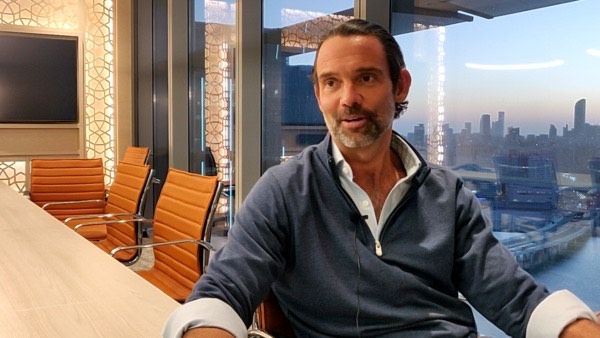
How Your EV Could Be Vulnerable: Understanding the BAT-BMS App Dilemma
In recent weeks, social media has been flooded with videos showing individuals halting moving e-rickshaws on busy street...
Business Today | Jul 03, 2026, 10:10
Rural Residents Voice Concerns Over AI Data Centers Impact
Residents of rural America are increasingly expressing their worries about the potential impact of AI data centers on th...
Business Insider | Jul 03, 2026, 09:20Private Space Startups Take on Orbital Reconnaissance for U.S. Military
In a groundbreaking development, private companies are stepping up to tackle the complexities of orbital reconnaissance,...
TechCrunch | Jul 02, 2026, 23:25
Navigating AI Disruptions: A Startup's Journey to Resilience
In the world of AI-driven startups, having a contingency plan is crucial. Sean McDonnell, a 43-year-old entrepreneur fro...
Business Insider | Jul 03, 2026, 09:30