
Disney hits Google with cease-and-desist claiming ‘massive’ copyright infringement
In a bold move, Disney has issued a cease-and-desist letter to Google, alleging significant copyright infringement. According to reports from Variety, Disney claims that the tech giant has unlawfully utilized its copyrighted material on a massive scale through AI models and services. The letter submitted by Disney describes Google as functioning like a 'virtual vending machine,' suggesting that it reproduces and distributes unauthorized copies of Disney's extensive collection of copyrighted characters and works. The letter highlights that many of the infringing images produced by Google's AI services carry the Gemini logo, which Disney argues misleadingly suggests that the use of its intellectual property is sanctioned by the company. Disney's complaint specifically mentions character infringement from beloved franchises such as 'Frozen,' 'The Lion King,' 'Moana,' and 'The Little Mermaid,' among others. As of now, Google has not responded to requests for comment from TechCrunch regarding the allegations. This legal action coincides with Disney's recent announcement of a $1 billion, three-year partnership with OpenAI, aimed at integrating its celebrated characters into the Sora AI video generator, further highlighting the ongoing tensions surrounding intellectual property in the age of AI.
Navigating Market Turbulence: Cramer Urges Caution in Tech Investments
In a recent discussion, CNBC's Jim Cramer expressed concerns about the current state of the artificial intelligence mark...
CNBC | Jul 20, 2026, 22:35
Google's New Fitbit Air Set to Hit Indian Market Soon
The Google Fitbit Air, a buzzworthy health and fitness tracker, is gearing up for its launch in India following its glob...
Business Today | Jul 21, 2026, 06:50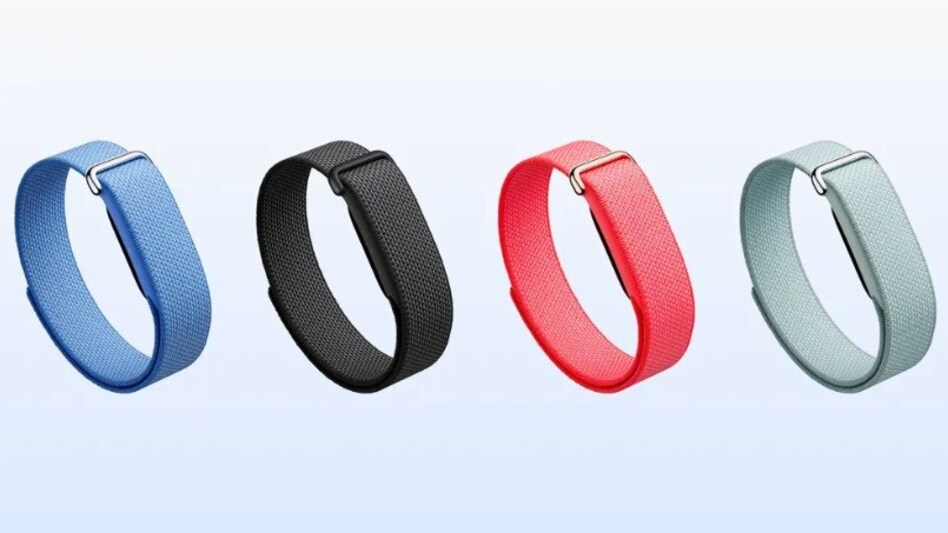
X Launches Ground-Up Redesign of Android App for Enhanced User Experience
In a significant move for its users, X, led by Elon Musk, has unveiled a completely reimagined version of its Android ap...
Business Today | Jul 21, 2026, 05:25
Major $1.5 Billion Copyright Settlement Approved for Anthropic
Anthropic is set to disburse payments to a collective of authors and publishers following a significant $1.5 billion set...
TechCrunch | Jul 21, 2026, 24:40
OpenAI's Ambitious Advertising Aspirations: Can ChatGPT Compete with Giants?
OpenAI is navigating a challenging landscape as it seeks to carve out a niche in the advertising realm through its popul...
Business Insider | Jul 21, 2026, 09:10