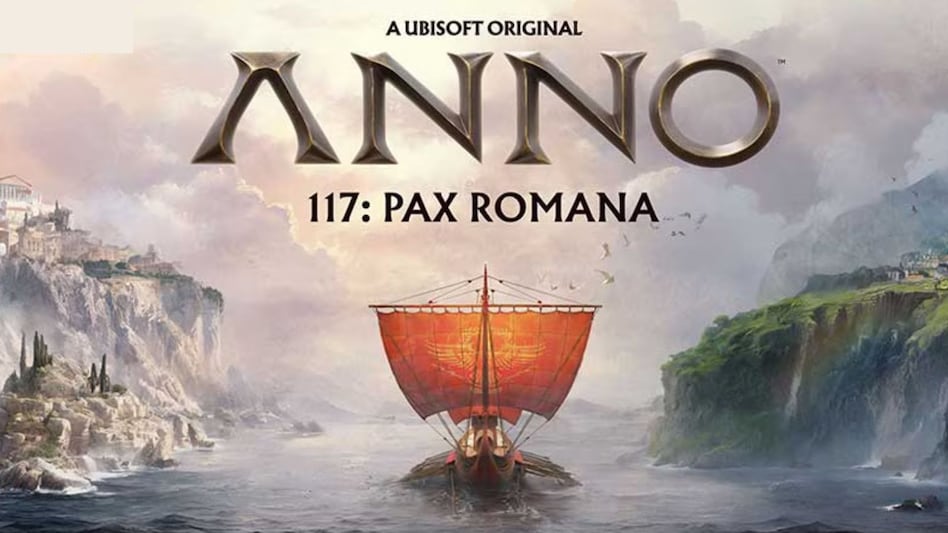
Anno 117: Pax Romana review - A sumptuous Roman sandbox with teeth
As dawn breaks over Latium, the vibrant landscape comes alive with the hustle and bustle of daily life. From fishermen unloading their catches at the docks to merchants engaged in spirited bargaining beneath colorful awnings, the atmosphere is rich and immersive. For me, it was in this moment that Anno 117: Pax Romana truly resonated. After years of struggling with previous installments, particularly during the less favorable 2205 era, I finally found an entry that felt more like an invitation to explore rather than a daunting task. Ubisoft's acclaimed city-building franchise returns, this time set during the height of the Roman Empire, a period ripe with opportunities for political intrigue, trade expansion, cultural clashes, and naval battles. Anno 117 masterfully encapsulates these dynamics, transforming each gameplay session into a captivating lesson in logistics and civic pride. This is a game that requires patience, yet the rewards are substantial when everything aligns. At its core, Anno 117 follows a familiar cycle that fans will recognize. Players begin by constructing simple housing for the liberti, the freed citizens who conveniently overlook the slave-driven foundations of Roman society. As their basic needs are satisfied, these citizens ascend the social hierarchy, eventually becoming patricians who crave luxuries such as olive oil, amphorae, and gourmet cheeses. The progression relies not just on meeting demands but also on the spatial arrangement of your city. Higher-class residents are drawn to prestigious structures like theaters and temples, while industrial zones can diminish property values. This naturally results in a stratified urban landscape, with affluent districts emerging alongside bustling workshops and farms, creating a remarkably organic sense of place. The satisfaction of paving roads and witnessing their impact on property values is a highlight. An upgrade can enhance a theater’s influence, uplifting surrounding homes in real time. Zooming in reveals a lively tableau: citizens in flowing togas meandering through plazas, musicians playing on street corners, and fields of lavender swaying gently in the breeze. As your ambitions extend beyond the sun-kissed shores of Italy, you set sail for the misty cliffs of Albion, a region with its own unique culture and economy. Initially, I worried that Ubisoft might resort to clichéd Celtic mysticism, but Albion is portrayed with respect and depth. The challenge lies in the administrative choices you must make: do you honor local customs or impose Roman culture? Each decision reshapes your economic landscape, with the potential for intriguing hybrid outcomes that enrich the game’s narrative. Trade has always been a hallmark of the Anno series, but in this installment, it is elevated to an art form. Fulfilling the desires of your patricians often involves intricate supply chains that span multiple islands. Perhaps your cheese originates from a distant settlement, olives from Latium, and amphora clay from a riverside town. Managing these routes becomes an enjoyable puzzle, as I found myself optimizing deliveries to create an efficient network, transforming my shipping operations into a well-oiled machine. However, Anno 117 is not merely a tranquil city-builder; it also incorporates elements of real-time strategy, particularly in its naval warfare. The distinction between rowing ships and sail-powered vessels is palpable, demanding strategic positioning and tactical maneuvers. When I successfully trapped a pirate ship in a narrow cove, I felt like an experienced admiral. While land battles are less remarkable, they serve their purpose well, offering a balanced mix of unit types. Notably, players can often bypass ground combat entirely if they maintain naval superiority. Diplomacy in the game is straightforward but features a unique twist: the Emperor operates differently from other factions. He does not negotiate as an equal, instead issuing demands that affect your standing with Rome. Compliance yields benefits, while defiance opens paths to rebellion, ultimately leading to significant rewards. The campaign serves as a lengthy tutorial, allowing players to choose between Marcus or Marcia, with the latter’s storyline incorporating elements of dark humor. However, it is relatively short, lasting under ten hours, and acts as a mere glimpse into the depth offered in the sandbox mode, where the true essence of the game lies. Despite its strengths, Anno 117 is not without its flaws. The economy can spiral out of control if a crucial resource is disrupted, leading to dramatic collapses. I experienced a memorable downfall when I mistakenly changed my city’s patron god, causing a sudden loss of agricultural bonuses and triggering a financial crisis. Such challenges can be harsh, yet they also inject tension and excitement into the gameplay. In conclusion, Anno 117: Pax Romana stands as a remarkable achievement in city-building. With its atmospheric design and intricate systems, it respects both history and player engagement. The trade mechanics are exceptional, naval combat is thrilling, and the cities feel vibrant and alive. While there are occasional pitfalls, the endless mode provides a rich sandbox for creativity and exploration. For those who have struggled with earlier entries, this title might just offer the breakthrough needed to truly enjoy the series.
China's Kimi K3: A New Contender in the Global AI Race Sparks US Concerns
The tech world is buzzing once again as a new Chinese AI model, Kimi K3, developed by the startup Moonshot AI, challenge...
CNN | Jul 24, 2026, 02:05
China's Memory Chip Giant CXMT Set to Challenge Market Dynamics with Major IPO
ChangXin Memory Technologies (CXMT), China's leading memory chip manufacturer, is preparing for a significant public lis...
CNBC | Jul 24, 2026, 02:15
Market Shifts Amid Tariff Changes and Tech Earnings
Good morning and happy Friday! As the weekend approaches, whether you're catching a play or diving into video games, it’...
CNBC | Jul 24, 2026, 12:25
AI-Driven Overhaul for Prime Video: Bezos Aims to Transform Your Viewing Experience
In a bold move to enhance user engagement, Jeff Bezos is spearheading a significant redesign of Prime Video, emphasizing...
Business Today | Jul 24, 2026, 10:55
AI Guardrails: A Double-Edged Sword for Cybersecurity Researchers
In recent months, leading AI companies have implemented stringent regulations and vetted programs to curb potential misu...
TechCrunch | Jul 24, 2026, 01:15