
Lawmakers warn Democratic governors that states are sharing drivers’ data with ICE
A coalition of Democratic lawmakers has reached out to several state governors, including those from Arizona, California, Colorado, and Wisconsin, to express concerns about the unintentional sharing of drivers' information with federal immigration authorities. According to a letter reported by Reuters, these governors have been alerted that their states are providing U.S. Immigration and Customs Enforcement (ICE) and other federal agencies with 'frictionless, self-service access' to residents' personal data through a non-profit organization managed by state police known as the National Law Enforcement Telecommunications System (Nlets). Nlets plays a pivotal role in facilitating the exchange of personal data, specifically drivers' license information, between various law enforcement agencies at the state, local, and federal levels. The lawmakers have urged these governors to halt this practice and restrict ICE's access, labeling the agency as 'Trump’s shock troops.' Both ICE and Nlets have not yet responded to requests for comment from TechCrunch. For nearly twenty years, many states have permitted law enforcement agencies, numbering around 18,000 across the U.S. and Canada, to access residents' data, including drivers' licenses, directly from each state's Department of Motor Vehicles (DMV) database. This allows agencies to retrieve data without any state employee's knowledge or involvement, as highlighted in the lawmakers' letter. The correspondence raises concerns that ICE may be using drivers' license photographs for its facial recognition tool, Mobile Fortify, which relies on a database of 200 million images to identify individuals in public spaces. The letter indicates that Nlets has facilitated over 290 million queries for DMV data, including more than 290,000 queries from ICE and approximately 600,000 from Homeland Security Investigations in the year leading up to October 1, 2025. The lawmakers emphasize in their letter that a significant reason for the lack of action by many states to secure the data shared through Nlets is an 'information gap.' Due to the technical complexity of the Nlets system, few state officials fully comprehend how their residents' data is being shared with federal and out-of-state agencies. The letter asserts that restricting these agencies' 'unfettered access' would not obstruct federal investigations into serious crimes but would enhance accountability and diminish potential abuses by allowing state personnel to assess data requests beforehand. Notably, some states, including Illinois, New York, Massachusetts, Minnesota, and Washington, have recently limited the types of data that ICE can access through Nlets, reminding the governors that they have the power to terminate this practice whenever they choose.
Legal Professionals Embrace AI Training to Shape the Future of Law
As the sun sets and the day’s disputes are settled, arbitrator Jessica Crutcher transitions into a different role—traini...
Business Insider | Jul 02, 2026, 09:10IBM Sets Quantum Computing Milestone in Amaravati by 2026
In a significant announcement, Arvind Krishna, the Chairman and CEO of IBM, disclosed that one of the company's first tw...
Business Today | Jul 02, 2026, 07:15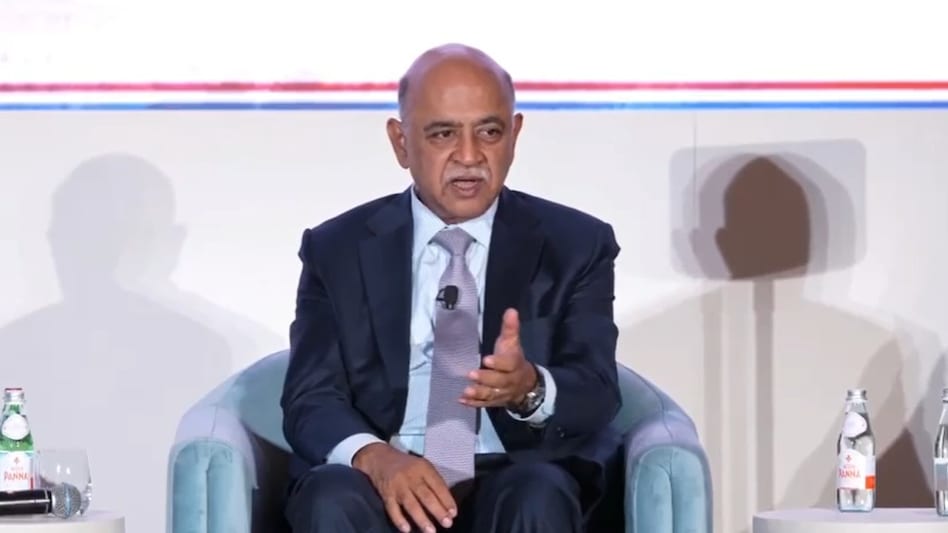
India Demands Answers from Meta Over WhatsApp's Controversial Username Feature
WhatsApp's new privacy feature, known as 'Usernames', is currently under intense scrutiny in India due to rising concern...
Business Today | Jul 02, 2026, 05:50
Rivian Ups Its EV Sales Outlook as Production Gains Momentum
Rivian has raised its sales projections for the year, signaling potential optimism amidst challenges facing electric veh...
TechCrunch | Jul 02, 2026, 12:35
EU Court Confirms Massive Antitrust Fine Against Google
In a significant ruling, the European Commission's highest court has upheld a staggering fine of approximately 4.1 billi...
CNBC | Jul 02, 2026, 07:55