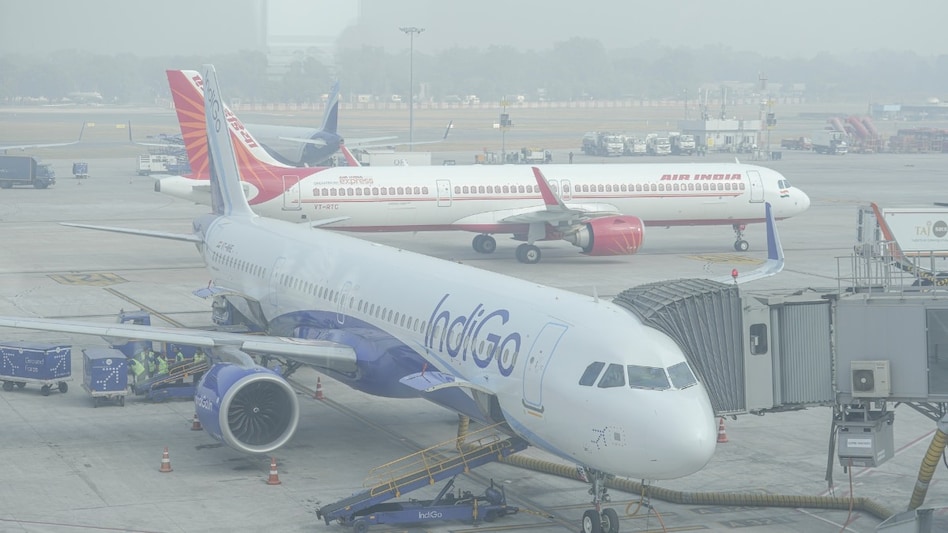
Delhi airport to use next-gen AI and enhanced runways to tackle winter chaos
Indira Gandhi International Airport (IGIA) in Delhi, recognized as India's busiest aviation hub, is taking significant strides to enhance its operations amid the annual disruptions caused by thick winter fog. The airport operator, Delhi International Airport Limited (DIAL), has adopted next-generation Artificial Intelligence (AI) and advanced predictive analytics, coupled with substantial infrastructure improvements, to ensure safer and more efficient flight operations. A pivotal component of this initiative is the establishment of the Airport Predictive Operations Centre (APOC). This innovative center amalgamates real-time data, predictive weather models, and airside information into a single command system. Such integration empowers airport management to make prompt decisions, optimizing runway utilization, improving aircraft sequencing, and streamlining resource allocation during conditions of low visibility. One of the crucial technological advancements comes from utilizing data from the Winter Fog Experiment (WiFEX), a long-term research initiative. DIAL is leveraging this forecasting model, which boasts an impressive 85% prediction accuracy, to foresee dense fog conditions up to 36 hours in advance. This proactive early warning system enables airlines, Air Traffic Control (ATC), and ground teams to prepare accordingly, aiming to minimize delays and enhance reliability for travelers. In addition to technological upgrades, the airport has also completed a significant overhaul of its physical infrastructure. All three primary runways (1L/29R, 11R/29L, and 10/28) are now outfitted with CAT-III Instrument Landing Systems (ILS) at both ends. Notably, the recent enhancement at the Dwarka end of Runway 10/28 allows the airport to conduct landings safely, even in conditions of near-zero visibility. This improvement is critical, permitting the airport to accommodate approximately 30 landings per hour during heavy fog, thereby preserving schedules. DIAL projects that these comprehensive upgrades will substantially reduce the recovery time from fog-related disruptions from around six hours to just two hours, significantly minimizing inconvenience and safeguarding flight schedules throughout the challenging winter months.
Sortmyprep Secures $350K in Pre-Seed Funding to Revolutionize AI Exam Prep
The innovative education startup, sortmyprep, has successfully raised approximately $350,000 in a pre-seed funding round...
Business Today | Jul 13, 2026, 18:05
The Reality Check on Space Data Centers: Experts Weigh In
In a recent exchange on social media, Sam Altman and Elon Musk engaged in a heated debate, shedding light on the contras...
TechCrunch | Jul 13, 2026, 17:50
Waze Unveils Innovative AI Features and Enhanced Customization Options
Waze, the popular navigation application owned by Google, is set to introduce exciting new features powered by artificia...
TechCrunch | Jul 13, 2026, 14:30
Wall Street's Renewed Confidence Powers Tech Stock Surge
A prominent technology stock has received a significant lift from Wall Street analysts, reflecting growing optimism abou...
CNBC | Jul 13, 2026, 16:05
Trump Urges Senate to Advance Clarity Act in Memory of Lindsey Graham
On Monday, former President Donald Trump made a compelling appeal for the Senate to pass the Clarity Act, a significant ...
CNBC | Jul 13, 2026, 16:15