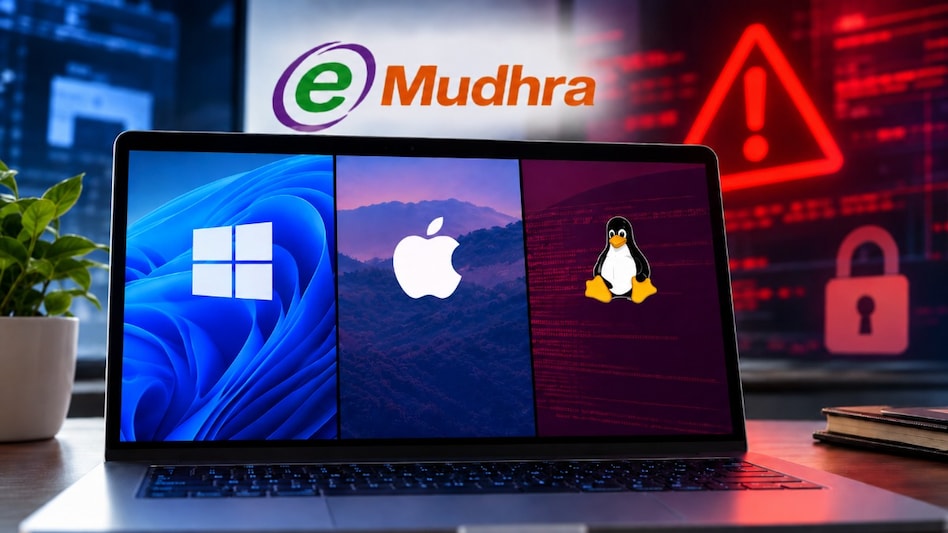
eMudhra certificate alert: How to update Windows, macOS and Linux devices for better security
The recent eMudhra certificate issue has sparked significant concern regarding how computers determine the trustworthiness of websites and online services. India's cybersecurity agency, CERT-In, identified that inadequate cryptographic key generation has made the private keys from eight intermediate certificate authorities vulnerable to recovery. In response, major browsers like Google and Mozilla have moved to block the compromised website certificates. Maintaining up-to-date systems remains a crucial defense strategy. Different applications and operating systems can handle certificate trust differently, which means simply updating your operating system might not fully resolve the issue. Security updates often enhance certificate information, but they do not ensure that all applications or servers have ceased trust in the compromised certificates. For instance, certain PHP applications utilize separate certificate bundles that may need distinct updates. For comprehensive details on the incident and recommended safety measures, CERT-In has issued an advisory. To secure your Windows device, Microsoft urges users to install the latest available updates. It’s crucial to follow their official update guide. Note that standard support for Windows 10 is set to expire on October 14, 2025, so if you're still on this version, consider enrolling in the Extended Security Updates program or upgrading to a supported OS. For macOS users, Apple advises keeping your system updated to the latest version compatible with your device. Prior to performing a major upgrade, ensure you back up important files. You can refer to Apple's official guide for updating macOS. Linux users will find that update procedures vary by distribution. For Ubuntu, open the Terminal and execute: `sudo apt update` followed by `sudo apt upgrade`. The first command refreshes the list of available packages, while the second installs any updates. Similarly, for Red Hat Enterprise Linux that uses DNF, administrators can run `sudo dnf upgrade` to install updates from trusted repositories. For server management, refer to your distribution’s security advisories to confirm if an updated certificate package is available. While updating your computer is important, it does not automatically eliminate the eMudhra risk. Different browser vendors have their own methods to block affected certificates, and some applications might depend on specific application or OS certificate trust stores. Therefore, updating personal devices does not inherently rectify issues with the backend of affected websites. Website administrators should consult their software vendors, update any necessary certificate bundles, and ensure their systems no longer trust the compromised certificate chains.
Nvidia's Leadership Shakeup: CFO Excluded from CEO Reinstatement Talks
Nvidia's chief financial officer, Colette Kress, who had a brief stint as interim CEO, was reportedly not included in se...
Business Today | Nov 24, 2026, 15:15
Pinterest Empowers Parents with New Controls Over AI Content for Teens
This week, Pinterest unveiled an enhancement to its parental controls, introducing a feature that allows parents to regu...
TechCrunch | Nov 24, 2026, 16:25
UK Government Sounds Alarm on Surge of AI-Enhanced Cyber Threats
The United Kingdom's cybersecurity agency has reported a significant increase in cyberattacks driven by artificial intel...
TechCrunch | Nov 24, 2026, 18:30
Investing in the Future: Solar and Battery Solutions for AI Data Centers
The challenge of powering AI data centers has emerged as a pivotal issue in the current technological landscape. Over th...
TechCrunch | Nov 24, 2026, 16:25
Mathematicians React to Controversial Joke Over Lengthy Proof of Riemann Hypothesis
Tensions are rising in the mathematical community following a controversial comment made by Levent Alpöge, a researcher ...
Business Insider | Nov 24, 2026, 17:30