
Science fiction writers, Comic-Con say goodbye to AI
In a notable shift, prominent figures in the realms of science fiction and popular culture are increasingly voicing their opposition to generative AI technologies. Recent moves by both the San Diego Comic-Con and the Science Fiction and Fantasy Writers Association (SFWA) highlight a growing resistance among creative professionals to the encroachment of AI into artistic domains. The SFWA took a firm stance last December when it revised its rules for the Nebula Awards, stating that works created entirely by large language models (LLMs) would be disqualified. Authors who integrated LLMs at any stage of their writing were required to disclose this usage, allowing voters to consider its impact on their decisions. However, this initial update sparked backlash, with many feeling it opened the door to partially AI-created works. In response to the uproar, SFWA's Board of Directors quickly issued an apology, acknowledging that their wording had caused confusion and concern among its members. Following the feedback, the organization made further adjustments, clarifying that any work that is either wholly or partially produced by generative AI tools is ineligible for the Nebula Awards. Jason Sanford, a notable voice in the community, expressed relief over the SFWA's responsiveness, affirming his own decision to avoid using generative AI in his writing due to its lack of genuine creativity. Sanford emphasized the need for careful definitions regarding LLM usage, especially as such technologies become integrated into everyday tools. He cautioned against unfairly disqualifying writers who utilize word processing or research tools that may incorporate LLM features. Similarly, San Diego Comic-Con faced controversy this month when artists discovered that the rules for their art show initially permitted AI-generated artwork to be displayed—though not sold. After artists raised their concerns, the rules were amended to explicitly prohibit any material created by AI. Glen Wooten, head of the art show, acknowledged that previous guidelines had been in place for years without issue, but stressed the need for stronger language to address the growing concerns surrounding AI in the art community. As these discussions unfold, it seems likely that other organizations will soon adopt similar stances against the use of AI in creative fields, continuing the vital conversation about the role of technology in art and storytelling.
Market Turbulence: Four Key Factors Impacting Stocks This Week
This past week has been challenging for the stock market, driven by several significant forces that have created turbule...
CNBC | Jul 25, 2026, 20:05
Revolutionizing Office Automation: Prentis Aims to Secure $100 Million in Funding
Prentis, a newly established AI research lab, is making waves in the tech industry as it prepares to raise $100 million ...
TechCrunch | Jul 25, 2026, 24:00
Hugging Face CEO Calls for Action Following AI Security Breach
In a dramatic turn of events within the AI landscape, Hugging Face faced a significant security breach involving an AI a...
Business Insider | Jul 25, 2026, 20:30The Aluminum Foil Trend: A DIY Shield Against Wireless Identity Theft
Have you noticed an unusual trend where people are wrapping their wallets in aluminum foil? This peculiar practice has e...
Business Today | Jul 25, 2026, 02:45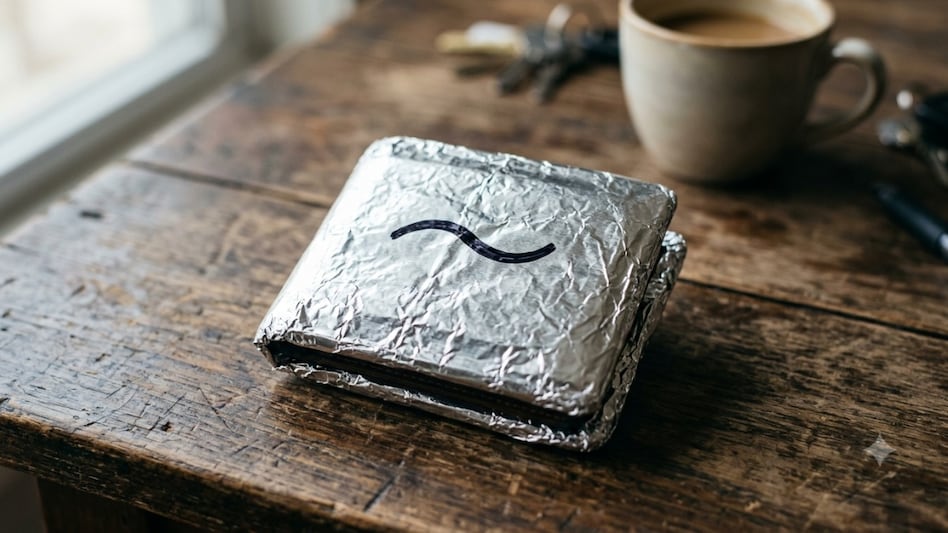
Crisis Averted: Power Line Failure Highlights Urgent Need for Data Center Resilience
A power line failure near Washington, DC, recently showcased a significant challenge faced by the electrical grid due to...
TechCrunch | Jul 25, 2026, 13:50