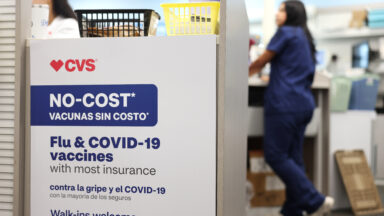
Who can get a COVID vaccine—and how? It’s complicated.
As the autumn season approaches and COVID-19 cases begin to rise, many individuals are considering the latest COVID-19 vaccine. Traditionally, these updated shots have been readily available to anyone aged six months and older, often at no cost, with community pharmacies serving as common access points. However, this year presents a different scenario due to the influence of Robert F. Kennedy Jr., the current health official known for his strong anti-vaccine stance. Since assuming his role, Kennedy has actively worked to undermine the nation’s vaccination infrastructure, imposing restrictions that limit access to vital vaccines. His recent actions include a controversial decision to revoke COVID-19 vaccine eligibility for healthy children and pregnant individuals, a change he announced via a video shared on Elon Musk's X platform rather than through official federal communications. This method of announcement reportedly caught even top officials at the Centers for Disease Control and Prevention (CDC) by surprise. Medical experts, including the American Academy of Pediatrics (AAP) and the American College of Obstetricians and Gynecologists (ACOG), quickly condemned this alteration. They emphasized that data consistently shows that both pregnant women and children under two years old are at heightened risk for severe outcomes from COVID-19. In response, these organizations have released their own guidance reaffirming the importance of vaccination for these vulnerable groups. Despite the backlash, the Food and Drug Administration (FDA) indicated it would support Kennedy's changes by modifying vaccine eligibility criteria. This unprecedented move would restrict access to the vaccine primarily to individuals aged 65 and older, as well as those with specific health conditions that increase their risk for severe COVID-19. The FDA's leadership, including Commissioner Martin Makary and vaccine regulation head Vinay Prasad, outlined these plans in a commentary published in the New England Journal of Medicine, which included a list of health conditions that would influence vaccination eligibility. Interestingly, pregnancy was noted as a condition, which appears to contradict Kennedy's directives, highlighting the ongoing tension within health policy decisions during this critical time.
China's Humanoid Robot Rental Boom: A Glimpse into the Future and Its Limitations
Last year's Spring Festival Gala showcased humanoid robots performing spectacular dance routines, but for entrepreneur A...
CNN | Jun 30, 2026, 06:25
VaSi: A Revolutionary AI Learning Platform Launched by Vandana Sikka
A groundbreaking new platform named VaSi has emerged, designed to empower individuals to share their expertise through l...
Business Today | Jun 30, 2026, 08:20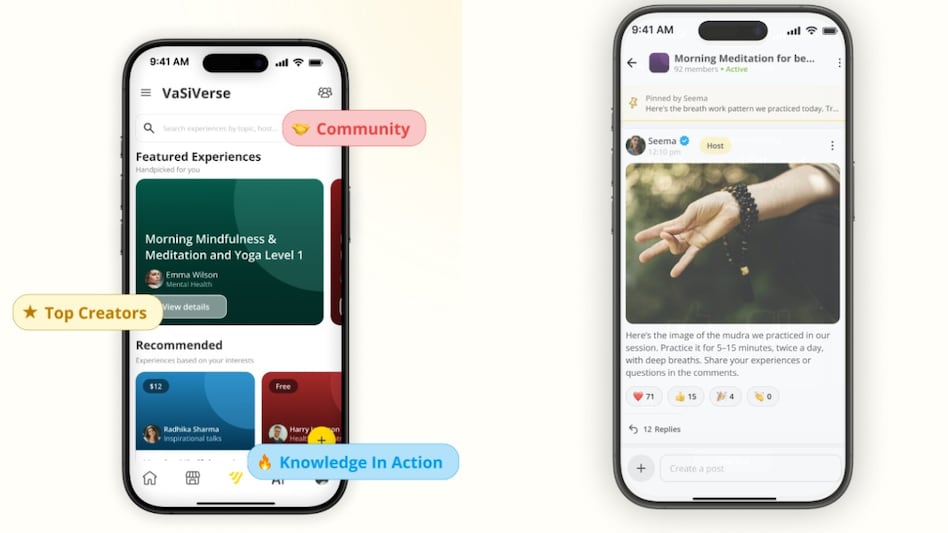
AI Impact on Job Market: A Complex Picture Unfolds
Concerns about job losses due to artificial intelligence are escalating as more companies announce layoffs. As of May 20...
TechCrunch | Jun 30, 2026, 04:10
Waymo and Uber Conclude Robotaxi Experiment in Phoenix
Waymo has announced that its automated vehicle services will no longer be accessible through the Uber app in Phoenix, Ar...
CNBC | Jun 29, 2026, 22:45
Unmissable Smartphone Discounts Await on Amazon Prime Day 2026!
The eagerly anticipated Amazon Prime Day sale for 2026 is set to kick off from July 4 to July 6, bringing a wave of incr...
Business Today | Jun 30, 2026, 09:15