If you assumed your AI chats couldn't be used against you in court, think again
If you're using AI chatbots like ChatGPT or Claude to jot down thoughts for legal correspondence, you might want to reconsider your approach. A recent ruling by a federal judge has allowed prosecutors to access chat transcripts from Claude, utilized by Brad Heppner, a finance startup founder facing allegations of defrauding a company out of $150 million. Heppner, who co-founded the finance firm Beneficient, was arrested last year and charged with wire and securities fraud in connection to the collapse of GWG Holdings. Following a subpoena and the hiring of legal counsel, Heppner engaged in discussions via an AI tool, prompting concerns about the confidentiality of such communications. Prosecutors seized numerous electronic devices from Heppner's residence during his arrest, asserting that 31 interactions with Anthropic's Claude bot were not protected by attorney-client privilege. During the court proceedings, Heppner's lawyer argued that these chats were intended to formulate defense strategies and discuss potential legal arguments. However, Judge Jed Rakoff determined that Heppner effectively shared his communications with a third party—namely, the AI—thus compromising their confidentiality. The judge highlighted that Claude's privacy policy explicitly stated that user chats were not confidential, leading to further scrutiny of the protections that typically safeguard legal discussions. Legal experts are now weighing in on the implications of this ruling. Attorney Moish Peltz remarked that the decision reflects a necessary acknowledgment of the evolving landscape of legal privileges in the age of AI. “There’s a lot of materials that should be kept as privileged that people are putting into AI,” he noted. The rise of chatbots where users might share sensitive legal information has created what some are calling a 'discovery nightmare.' Employment lawyer Noah Bunzl expressed concern that individuals may be shocked to learn that sharing information with a chatbot could jeopardize their legal confidentiality. This case isn't isolated; there have been previous instances involving executives' use of chatbots in legal contexts, such as a dispute over a video-game company acquisition. As the legal profession grapples with these new challenges, some attorneys are starting to request AI chat logs during civil discovery. The Heppner case marks a significant moment in recognizing how the use of AI tools could lead to a loss of traditional legal protections. Legal professionals urge caution, advising clients to avoid inputting privileged information into AI platforms until more definitive legal guidelines are established. Representatives from the US Attorney's Office and Anthropic have yet to comment on the ruling or its implications.
Kalshi Challenges Netflix Over Controversial Documentary Trailer
Kalshi, the prediction market platform, has taken significant legal steps against Netflix, sending a cease-and-desist le...
TechCrunch | Jul 25, 2026, 17:10
The Elusive Phineas Fisher: The Hacktivist Who Took Down Spyware Giants
In the realm of cybersecurity, few figures are as intriguing as Phineas Fisher, a hacker who has evaded capture for near...
TechCrunch | Jul 25, 2026, 21:00
Unleashing the Power of AI: The 5 Smartphones Redefining Mobile Photography
Artificial Intelligence (AI) is transforming our daily experiences, permeating various aspects of technology, including ...
Business Today | Jul 26, 2026, 07:05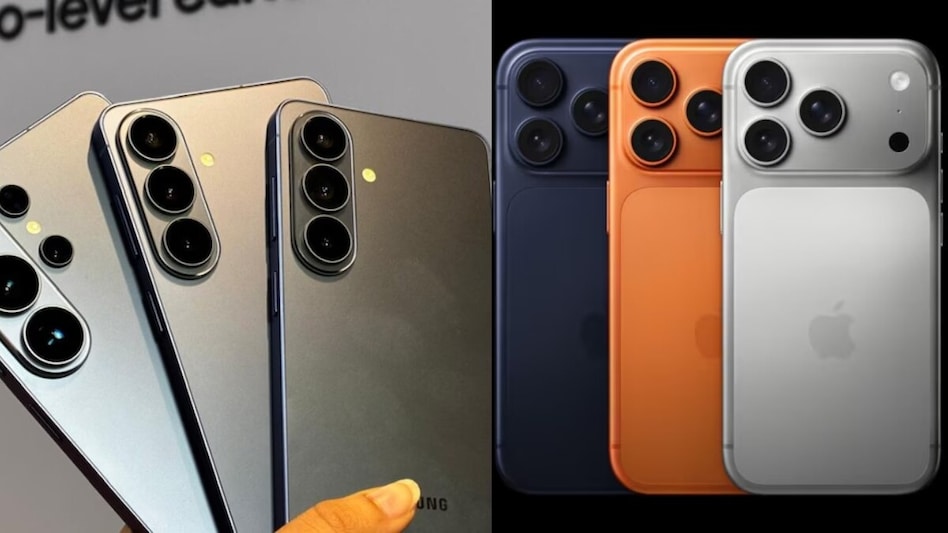
Finland Unveils World's Largest Sand Battery to Tackle Renewable Energy Challenges
In a groundbreaking move to address the critical issue of renewable energy intermittency, a small town in southern Finla...
CNBC | Jul 25, 2026, 05:35
Vision Breakthrough: US Startup Launches Groundbreaking Retina Chip in Europe
Science Corp is poised to introduce a revolutionary retina chip in Europe, designed to restore partial vision for indivi...
Business Today | Jul 25, 2026, 01:00