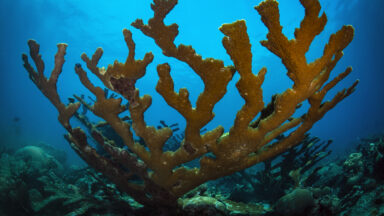
Corals survived past climate changes by retreating to the deeps
Recent research has revealed alarming effects of the 2023 marine heat wave on two key species of reef-building corals, Acropora, in the Florida Reef system, which extends from Dry Tortugas National Park to Miami. According to coral biologist Ross Cunning from the John G. Shedd Aquarium, this event has led to what can be described as 'functional extinction' for these coral species. Cunning stated, "At this point, we do not think there’s much of a chance for natural recovery—their numbers are so low that successful reproduction is incredibly unlikely." This dire situation is not unprecedented, as corals have faced similar challenges throughout their 460 million-year history, often recovering from severe climate fluctuations. However, the concern now is that the pace of environmental change may outstrip their ability to rebound, potentially leaving future generations without the chance to witness their recovery. The mechanics of coral distress are tied to their symbiotic relationship with microalgae, which are essential for their survival. When water temperatures rise excessively, these microalgae begin to produce harmful reactive oxygen species instead of the nourishing sugars that sustain corals. In an effort to combat toxicity, corals expel their microalgae, leading to starvation and bleaching—a process that strips them of their characteristic color. The 2023 heat wave was particularly devastating, being recorded as the ninth such event impacting the Florida Reef. Cunning noted, "Those eight previous heat waves also had major negative effects on coral reefs, causing widespread mortality. But the 2023 heat wave blew all other heat waves out of the water. It was 2.2 to four times greater in magnitude than anything that came before it." Cunning's research focused on two Acropora species: staghorn and elkhorn corals, both noted for their branching structures. The staghorn coral features sharp branches that create dense thickets, while elkhorn coral develops arm-like branches that extend upwards, forming a complex canopy-like structure in the underwater ecosystem.
SpaceX Set for Starship's Comeback Launch with Enhanced Features
SpaceX has received the green light from the Federal Aviation Administration (FAA) to resume flights of its Starship pro...
TechCrunch | Jul 13, 2026, 14:30
Palantir CEO Warns of AI-Induced Wealth Disparities
In a recent interview, Palantir's CEO, Alex Karp, expressed concern over the wealth disparities emerging from the rise o...
Business Insider | Jul 13, 2026, 18:05General Fusion Makes Historic Nasdaq Debut as First Publicly Traded Fusion Company
General Fusion has officially commenced trading on the Nasdaq under the ticker symbol GFUZ, marking a significant milest...
TechCrunch | Jul 13, 2026, 17:25
The Reality Check on Space Data Centers: Experts Weigh In
In a recent exchange on social media, Sam Altman and Elon Musk engaged in a heated debate, shedding light on the contras...
TechCrunch | Jul 13, 2026, 17:50
Mark Cuban Warns: AI in Healthcare Could Worsen Challenges, Not Solve Them
In a recent statement, entrepreneur Mark Cuban expressed concerns that artificial intelligence (AI) might exacerbate the...
Business Insider | Jul 13, 2026, 14:40