BCG consultant behind 'AI brain fry' study says she's 'pessimistic' humans can overcome it anytime soon
As artificial intelligence (AI) becomes an integral part of our daily work routines, there are growing concerns about a troubling cognitive effect: increased reliance on these technologies may be fragmenting human thought processes. Julie Bedard, a managing director at the Boston Consulting Group and coauthor of a recent study, expressed her skepticism regarding the ability of individuals to overcome this phenomenon, which she refers to as "brain fry," in the near future. In a recent episode of the tech podcast Hard Fork, Bedard discussed the findings of a study published in the Harvard Business Review, which surveyed 1,488 full-time employees across various industries in the United States. The research revealed that 14% of respondents experienced symptoms like mental fog, headaches, and slower decision-making, collectively termed "AI brain fry." Notably, these symptoms were reported more frequently in sectors such as marketing, human resources, operations, and software engineering compared to legal and compliance fields. Bedard clarified that this type of mental fatigue is different from traditional workplace burnout. She explained that burnout is characterized by physical and emotional exhaustion, while AI brain fry arises from the heightened cognitive demands of managing AI systems and assessing their outputs. Interestingly, her research team found no direct link between brain fry and burnout. In fact, AI has the potential to reduce burnout symptoms in some cases. As job roles evolve to focus more on overseeing AI agents rather than performing tasks directly, employees must engage in continuous evaluation and decision-making based on AI outputs. This requires a level of concentration that can be mentally taxing. The study also indicated that while AI tools can enhance productivity, the benefits plateau beyond a certain point. Workers who transitioned from using one AI tool to two experienced a marked increase in productivity, but that enhancement diminished when a third tool was introduced, leading to a decline in overall productivity as employees managed more systems simultaneously. Matthew Kropp, another coauthor of the study and a managing director at BCG, referred to this trend as a warning signal, likening it to a "canary in the coal mine." He noted that professionals in engineering and other early-adopting fields are often the first to feel the impact of managing multiple AI agents. Importantly, the researchers highlighted that the challenge does not stem from the adoption of AI itself. The study found that when AI takes over repetitive and routine tasks, burnout levels can actually decrease, even as some workers report experiencing mental fatigue. For organizations looking to integrate AI into their workflows, Bedard advised that actively seeking employee feedback is crucial. "It’s important that ideas and energy come from the workers who are directly engaged with the technology," she emphasized.
The Aluminum Foil Trend: A DIY Shield Against Wireless Identity Theft
Have you noticed an unusual trend where people are wrapping their wallets in aluminum foil? This peculiar practice has e...
Business Today | Jul 25, 2026, 02:45
Finland Unveils World's Largest Sand Battery to Tackle Renewable Energy Challenges
In a groundbreaking move to address the critical issue of renewable energy intermittency, a small town in southern Finla...
CNBC | Jul 25, 2026, 05:35
Kalshi Challenges Netflix Over Controversial Documentary Trailer
Kalshi, the prediction market platform, has taken significant legal steps against Netflix, sending a cease-and-desist le...
TechCrunch | Jul 25, 2026, 17:10
Market Turbulence: Four Key Factors Impacting Stocks This Week
This past week has been challenging for the stock market, driven by several significant forces that have created turbule...
CNBC | Jul 25, 2026, 20:05
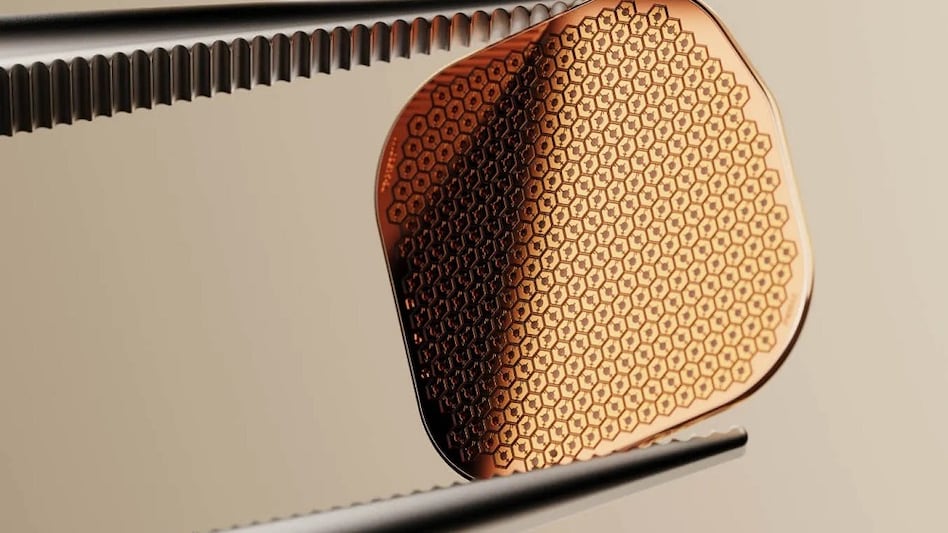
Vision Breakthrough: US Startup Launches Groundbreaking Retina Chip in Europe
Science Corp is poised to introduce a revolutionary retina chip in Europe, designed to restore partial vision for indivi...
Business Today | Jul 25, 2026, 01:00