
Commonwealth Fusion Systems installs reactor magnet, lands deal with Nvidia
At CES 2026, Commonwealth Fusion Systems (CFS) announced a significant milestone: the installation of the first magnet in its Sparc fusion reactor. This demonstration device is on track to be operational by next year, with the magnet being the initial component of an eventual 18 that will create a toroidal structure to generate a robust magnetic field aimed at confining and compressing superheated plasma. Should everything proceed as planned, the fusion process within Sparc could yield more energy than consumed in its heating and compression phases. After years of anticipation and setbacks, the prospect of fusion power is closer than ever, with CFS and its rivals vying to deliver the first electricity to the grid in the early 2030s. If successful, this technology could pave the way for nearly unlimited clean energy akin to traditional power facilities. Bob Mumgaard, co-founder and CEO of CFS, highlighted that key elements of the Sparc magnets are ready, with all 18 expected to be installed by summer's end. "It’ll go bang, bang, bang throughout the first half of this year as we put together this revolutionary technology," he stated. The D-shaped magnets, each weighing around 24 tons, will be positioned on a 24-foot wide, 75-ton stainless steel frame known as a cryostat, which was established last March. These magnets are capable of producing a magnetic field of 20 tesla, significantly stronger than a standard MRI machine. To achieve this magnetic strength, the magnets will be cooled to -253˚ C (-423˚ F) to facilitate the conduction of over 30,000 amps of current, while the plasma inside will reach temperatures exceeding 100 million degrees Celsius. In a bid to address potential challenges before activating Sparc, CFS is collaborating with Nvidia and Siemens to create a digital twin of the reactor. Siemens is providing design and manufacturing software that will enable CFS to gather data for integration into Nvidia's Omniverse libraries. This initiative builds on CFS's previous simulation efforts, which aimed to assess the performance of various reactor components. However, the new digital twin promises to integrate these simulations with real-time data, allowing for continuous comparison and learning alongside the physical reactor. The construction of Sparc has been a significant financial undertaking, with CFS raising nearly $3 billion thus far, including an $863 million Series B2 round in August, featuring investments from prominent firms like Nvidia and Google. The company's first commercial-scale power plant, named Arc, is anticipated to be groundbreaking and may require several billion additional dollars for completion. Mumgaard expressed optimism that advancements in digital twin technology and AI could expedite the timeline for delivering fusion power to the grid. "As the machine learning tools become more sophisticated and the models more accurate, we can accelerate our progress, which is crucial as we strive to bring fusion energy to fruition," he remarked.
OpenAI Considers Government Stake Amid Rising AI Scrutiny
OpenAI, the creator of ChatGPT, is reportedly in discussions to offer the U.S. government a 5% equity stake in the compa...
Business Today | Jul 03, 2026, 07:20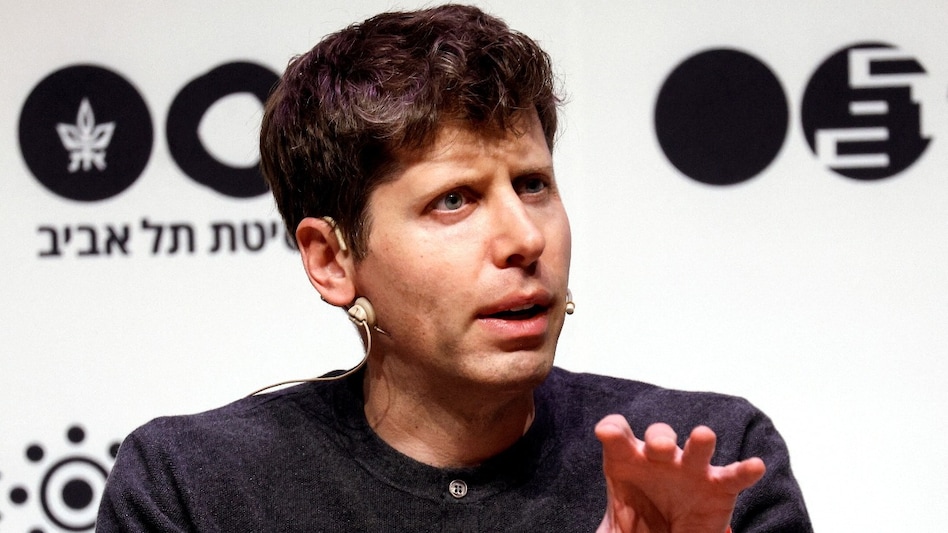
How Your EV Could Be Vulnerable: Understanding the BAT-BMS App Dilemma
In recent weeks, social media has been flooded with videos showing individuals halting moving e-rickshaws on busy street...
Business Today | Jul 03, 2026, 10:10
NIIT's AI Revolution: Transforming Enterprises and Driving Revenue Growth
For many years, NIIT has been a cornerstone of computer training, equipping students for careers in India's rapidly grow...
Business Today | Jul 03, 2026, 11:30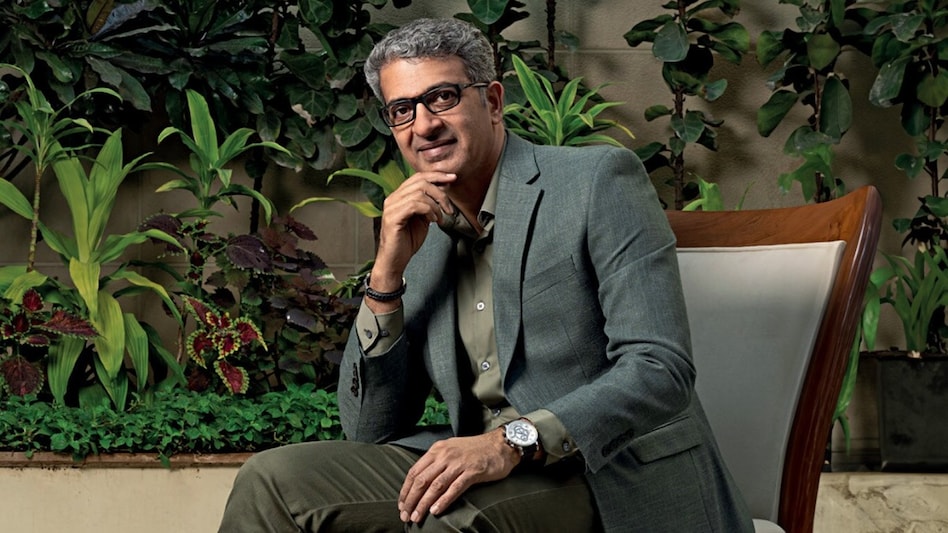
Navigating the Job Market: One Researcher's 57-Interview Journey to OpenAI
In a remarkable account of perseverance, Alisa Liu reflects on her lengthy job search that culminated in an AI researche...
Business Insider | Jul 03, 2026, 08:40The Impact of AI on Professional Headshots: Authenticity vs. Aesthetics
In the age of digital networking, the authenticity of profile pictures, particularly on platforms like LinkedIn, is bein...
Business Insider | Jul 03, 2026, 10:00