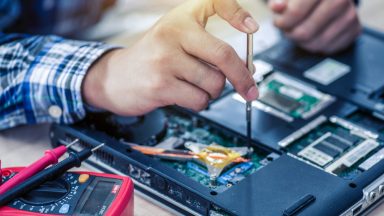
Tech companies are trying to neuter Colorado’s landmark right-to-repair law
The movement for right-to-repair legislation is making significant strides across the United States, particularly in Colorado. Since the inception of these efforts in 2022, the state has enacted laws empowering individuals with the resources, guidance, and legal backing necessary to repair or enhance their own wheelchairs, agricultural equipment, and consumer electronics. This momentum has sparked similar initiatives nationwide, with repair legislation surfacing in every state, successfully passing in eight. Danny Katz, the executive director of CoPIRG, the Colorado chapter of a consumer advocacy group, states, "Colorado has the broadest repair rights in the country. We should be proud of leading the way." However, manufacturers have largely opposed these right-to-repair movements, as they often profit more from selling tools, replacement parts, and repair services than from allowing consumers the freedom to fix their own devices. While some companies have reluctantly started to make their products more amenable to repairs, others have taken a more aggressive stance against new regulations designed to promote consumer repair rights. During a recent hearing of the Colorado Senate Business, Labor, and Technology Committee, lawmakers unanimously voted to advance state bill SB26-090, known as the Exempt Critical Infrastructure from Right to Repair bill, to the state senate and house for further consideration. This bill seeks to amend Colorado's Consumer Right to Repair Digital Electronic Equipment Act, which was passed in 2024 and is set to take effect in January 2026. Although this act provides broad protections, SB26-090 aims to exempt information technology equipment used in critical infrastructure from these repair rights. The bill has garnered support from major tech firms like Cisco and IBM, which have interests in manufacturing routers, servers, and computers. These companies argue that controlling the repair and upgrade processes is crucial for their profit margins, as well as for maintaining cybersecurity, claiming that unrestricted access to repair tools could facilitate malicious activities. This debate highlights the ongoing tension between consumer rights and corporate interests, as the future of repair legislation remains uncertain amidst mounting industry resistance.
The Shift in Human Cognition: Embracing AI as a Collaborative Tool
As technology continues to evolve, a notable shift is occurring in the relationship between humans and artificial intell...
Business Insider | Jul 25, 2026, 09:50Linux Creator Challenges Developers: Embrace AI or Fork Off!
In a recent discussion surrounding the use of AI in software development, Linus Torvalds, the founder of Linux, voiced h...
Business Insider | Jul 26, 2026, 13:10AI Transformations Lead to Major Job Cuts at Tech Giants
Monday.com, the innovative work management platform based in Tel Aviv, has recently announced significant layoffs, attri...
TechCrunch | Jul 26, 2026, 01:45
Finland Unveils World's Largest Sand Battery to Tackle Renewable Energy Challenges
In a groundbreaking move to address the critical issue of renewable energy intermittency, a small town in southern Finla...
CNBC | Jul 25, 2026, 05:35
Navigating the AI Landscape: Insights from a Former OpenAI Intern
As the demand for expertise in artificial intelligence surges, many are seeking ways to break into this dynamic field. H...
Business Insider | Jul 26, 2026, 10:10