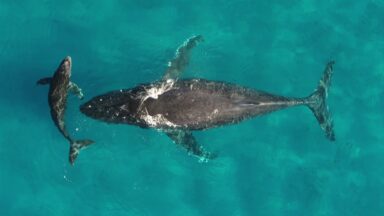
Whale and dolphin migrations are being disrupted by climate change
For centuries, majestic filter-feeding whales, such as humpbacks, fin whales, and blue whales, have embarked on some of the longest migrations on the planet. Each year, they journey from warm tropical breeding grounds to nutrient-rich feeding areas in the polar regions. As Trisha Atwood, an ecologist and associate professor at Utah State University’s Quinney College of Agriculture and Natural Resources, points out, these migrations are finely attuned to natural cues and memories that guide the whales' movements. However, climate change is significantly altering these vital signals, causing these marine giants to stray from their traditional routes. Atwood, along with over 70 fellow scientists, recently participated in a workshop organized by the United Nations Convention on the Conservation of Migratory Species of Wild Animals. This gathering focused on the global ramifications of climate change on migratory species. The Convention oversees the protection of more than 1,000 species that migrate in search of food, mates, and suitable conditions for raising their young, with over 20 percent of these at risk of extinction. The findings from this landmark workshop, released in a report this month, painted a grim picture. As Atwood conveyed in an email to Inside Climate News, "Almost no migratory species is untouched by climate change." From whales and dolphins to Arctic shorebirds and elephants, rising temperatures, extreme weather events, and changing ecosystems are disrupting migratory patterns and altering critical habitats worldwide. For instance, Asian elephants are moving to higher elevations and closer to human habitation in their quest for food and water amid intensifying drought conditions, which has resulted in increased conflicts with humans. Additionally, shorebirds are arriving at their Arctic breeding grounds out of sync with the insect populations their chicks rely on for survival. The report also highlighted that vital seagrass meadows, which provide nourishment for migrating sea turtles and dugongs, are vanishing due to warmer ocean temperatures, cyclones, and rising sea levels. Currently, about 30 percent of the world's known seagrass beds have been lost, posing a threat not only to these marine animals but also to humans. These ecosystems are crucial, as they sequester approximately 20 percent of the ocean's carbon, support fisheries, and help protect coastlines.
Bookshop.org Announces E-Reader Support for Kobo Coming This Year
For avid readers seeking an e-reader that connects them to their local independent bookstores, the Rakuten Kobo eReader ...
TechCrunch | Jul 06, 2026, 18:30
Xbox Implements Major Restructuring Amid Industry Challenges
In a bold move, Microsoft's Xbox division is undergoing its most substantial restructuring ever, with plans to cut aroun...
Business Today | Jul 06, 2026, 15:45
Apple Revives Card Payments in India, Enhancing Digital Transactions After Four-Year Break
In a significant move, Apple has reinstated card payment options for Apple Account purchases in India, marking a pivotal...
TechCrunch | Jul 06, 2026, 16:40
Microsoft's Major Restructuring: Nearly 5,000 Jobs Axed Amid AI Transformation
Microsoft has announced significant layoffs, cutting approximately 4,800 positions, which amounts to 2.1% of its global ...
TechCrunch | Jul 06, 2026, 15:25
SpaceX's Gwynne Shotwell Supports Youth Investment Initiative with Stock Donation
Gwynne Shotwell, President of SpaceX, has made headlines with her recent announcement of a significant stock donation ai...
CNBC | Jul 06, 2026, 14:10