
China AI Leaders Warn of Widening Gap With US After $1B IPO Week
Prominent figures in China's generative artificial intelligence landscape have raised alarms about the country's ability to compete with the United States in the AI sector. Justin Lin, the head of Alibaba Group's Qwen series of open-source models, estimated that the chances of a Chinese company surpassing giants like OpenAI and Anthropic within the next three to five years are less than 20%. This sentiment was echoed by executives from Tencent Holdings Ltd. and Zhipu AI during a panel discussion held at the AGI-Next summit in Beijing. Lin pointed out that while OpenAI allocates substantial computing resources to next-generation research, Chinese firms are often stretched thin, primarily focused on meeting current delivery demands. The summit, a collaboration between Zhipu and Tsinghua University, took place shortly after Zhipu and MiniMax Group raised over $1 billion through their market debuts. MiniMax saw its shares surge more than 100% on the first day of trading, while Zhipu's shares rose by 36%. Despite this success, leaders in China's AI sector remained cautious about the prospects of surpassing the US in the development of advanced AI models. Tang Jie, founder and chief AI scientist at Zhipu, remarked that while recent open-source models might create a sense of progress, the reality is that the gap with US technology may be widening. The recent success of DeepSeek’s R1 model has spurred many Chinese companies, including industry giants and startups, to release their own AI models. However, industry leaders acknowledged that constraints such as limited resources and US export controls on critical technology remain significant hurdles. Yao Shunyu, who recently transitioned from OpenAI to Tencent, emphasized the importance of addressing bottlenecks in next-generation models, particularly in areas like long-term memory and self-learning capabilities. The panelists shared their strategies for the coming year, with Yao focusing on enhancing Tencent’s offerings by integrating AI with its popular WeChat platform. Meanwhile, Lin highlighted Alibaba's commitment to multimodal AI and real-world applications. Tang stressed the need for unity rather than internal competition, advocating for a collective effort to advance artificial general intelligence (AGI) on a global scale. This discourse in Zhongguancun, often likened to Silicon Valley, reflects a critical moment for China’s AI ambitions as it navigates the complexities of innovation in a competitive international landscape.
Revolutionizing Office Automation: Prentis Aims to Secure $100 Million in Funding
Prentis, a newly established AI research lab, is making waves in the tech industry as it prepares to raise $100 million ...
TechCrunch | Jul 25, 2026, 24:00
The Elusive Phineas Fisher: The Hacktivist Who Took Down Spyware Giants
In the realm of cybersecurity, few figures are as intriguing as Phineas Fisher, a hacker who has evaded capture for near...
TechCrunch | Jul 25, 2026, 21:00
The Aluminum Foil Trend: A DIY Shield Against Wireless Identity Theft
Have you noticed an unusual trend where people are wrapping their wallets in aluminum foil? This peculiar practice has e...
Business Today | Jul 25, 2026, 02:45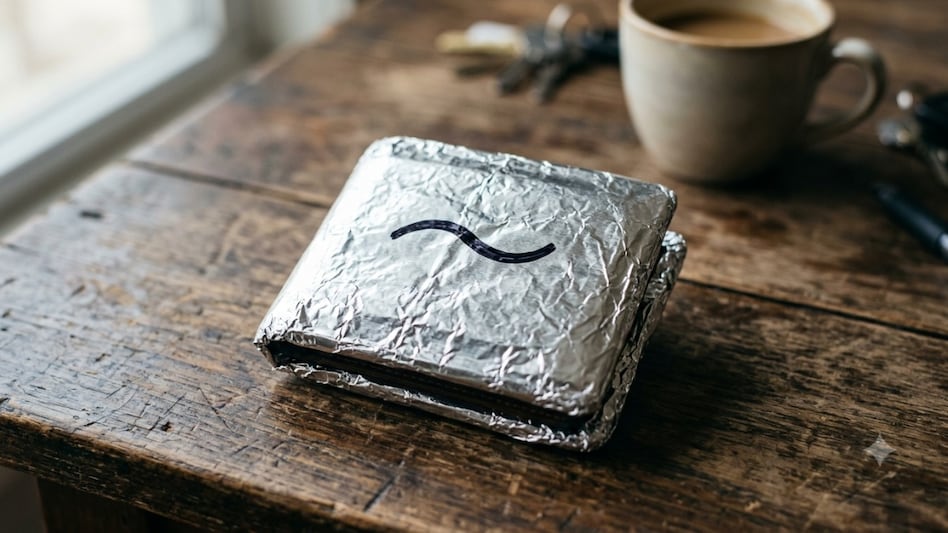
The Shift in Human Cognition: Embracing AI as a Collaborative Tool
As technology continues to evolve, a notable shift is occurring in the relationship between humans and artificial intell...
Business Insider | Jul 25, 2026, 09:50Market Turbulence: Four Key Factors Impacting Stocks This Week
This past week has been challenging for the stock market, driven by several significant forces that have created turbule...
CNBC | Jul 25, 2026, 20:05