China's military tried to buy Nvidia chips for AI servers and a robot dog, documents show
Recent reports reveal the Chinese military's interest in acquiring Nvidia chips for various projects, including running advanced AI servers and developing a robotic canine. Documents analyzed indicate that the People's Liberation Army (PLA) has made multiple procurement requests for Nvidia hardware, specifically targeting the H20 chip, which is currently under relaxed export controls by the U.S. government. Nvidia's spokesperson has stated that China possesses sufficient domestic chip resources for its military needs, emphasizing that acquiring older products for testing purposes does not pose a national security threat. The spokesperson also noted that utilizing restricted products for military applications would be infeasible without the necessary support, software, or maintenance. As the PLA pushes for Nvidia hardware, the company faces scrutiny from other Chinese governmental bodies, which have long advocated for developing domestic alternatives. Recently, China's internet regulator summoned Nvidia to address claims of potential backdoor security risks associated with the H20 chip—allegations that Nvidia has firmly denied. Among the various procurement requests, several have sought banned Nvidia chips to utilize in AI servers for unspecified applications. Notably, one request involved eight H20 cards to operate DeepSeek's most significant AI model, while another sought four RTX 6000 graphics cards for an intelligent decision-making system. Although these requests have not yet culminated in finalized contracts, provisional suppliers have already been selected. Additionally, the PLA has expressed interest in a 33-pound robotic dog equipped with an Nvidia Jetson computing module for training purposes. This request was eventually canceled, and Jetson modules are typically not restricted for export to China under most circumstances. Concerns regarding the PLA's ability to source U.S. chips persist, with experts noting various ways the military might acquire them through subsidiaries and shell companies. Recent letters from national security officials to the U.S. Commerce Department call for a reinstatement of the H20 export ban, arguing that these chips would bolster China's military capabilities. Amidst these developments, Nvidia's CEO has downplayed the risks, asserting that China's military is wary of reliance on U.S. technology, as it could be restricted at any moment. The Ministry of National Defense in China has not commented on these procurement efforts, leaving many questions about the future of U.S.-China tech relations unanswered.
Meta Tightens Rules on Smart Glasses to Protect User Privacy on Instagram
Meta has taken a significant step in addressing privacy issues related to smart glasses by implementing new guidelines f...
Business Today | Jul 24, 2026, 11:50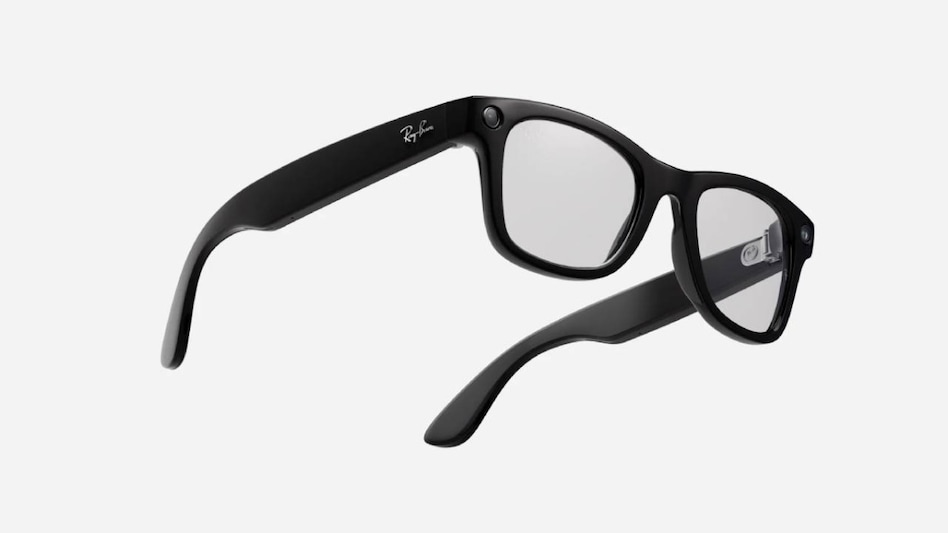
Elon Musk's Ambitious Leap: Can Tesla's Optimus Robot Revolutionize Work and Life?
Elon Musk has transformed Tesla into a leading automotive giant, but now he is staking the company's future on a groundb...
Business Insider | Jul 24, 2026, 09:10Fremont Emerges as a Robotics Hub: The Rise of Agility Robotics and Its Ambitious Plans
In a surprising turn of events, Fremont, a city traditionally known for its industrial parks, is rapidly becoming a foca...
Business Insider | Jul 24, 2026, 08:25Australia Gears Up for Startup Showdown: Meet the Judges Who Will Shape the Future
The excitement is building as TechCrunch Startup Battlefield makes its way to Australia, in collaboration with Stripe, t...
TechCrunch | Jul 24, 2026, 24:30
Global Leaders Unite to Promote Secure Open-Source AI at APEC Summit
In a significant development at the recent APEC summit in Chengdu, China, member nations, including the United States, e...
CNBC | Jul 24, 2026, 02:45