China’s internet censors have a new target: pessimists
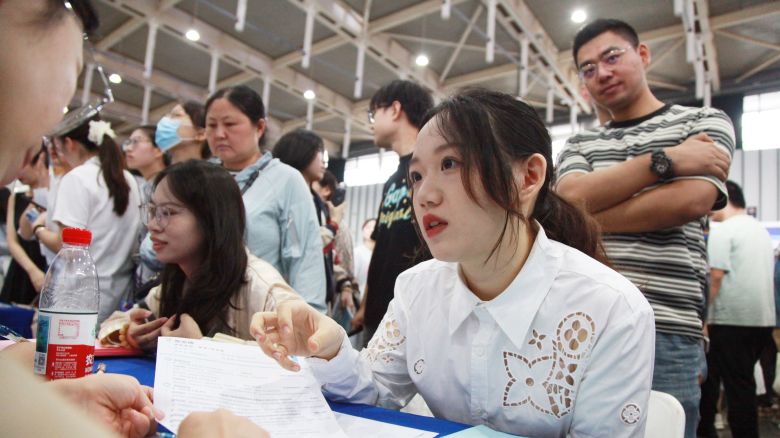
In a surprising move, China’s internet authorities have expanded their crackdown on online expression to include a new target: negativity. Announced on Monday, this two-month initiative aims to combat what officials describe as harmful pessimistic content circulating on social media, live-streaming, and short-video platforms. The Cyberspace Administration of China revealed that the campaign will target posts that allegedly misrepresent social phenomena, exaggerate negative situations, or promote nihilistic perspectives. According to the agency, certain content excessively indulges in self-deprecation or amplifies feelings of despair, influencing others to adopt similar sentiments. The backdrop of this initiative is a prolonged economic downturn, exacerbated by a property crisis that has severely impacted consumer confidence, spending habits, and youth employment in China. This climate has led to the rise of trends such as “lying flat,” a lifestyle choice advocating for a simpler, stress-free existence that gained traction online in 2021. In recent weeks, numerous content creators who shared their “lying flat” experiences reported that their videos were removed and accounts suspended. The crackdown extends to internet platforms that have been reprimanded for failing to adequately regulate harmful content, with popular sites like Weibo, Kuaishou, and Xiaohongshu facing penalties for allowing negative narratives to trend. The regulatory body’s statement indicated that the scope of the campaign includes content that incites confrontations, spreads anxiety, or fuels online hostility. Moreover, the campaign seeks to address online discussions surrounding economic rumors, doxxing methods, and defeatist mindsets suggesting that effort is futile. Content that exploits concerns about employment, education, and dating to promote products or services is also under scrutiny. Authorities have encouraged the public to report instances of negativity to help curb this trend. State-run media has echoed support for the initiative, labeling it a necessary response to the chaotic online environment. It emphasized the potential dangers of divisive content, which can lead to misunderstandings and social unrest, undermining public order and trust. Political science expert Ja Ian Chong from the National University of Singapore noted a troubling sense of pessimism among the Chinese populace regarding their future. He suggests that the authorities’ motivation may be to foster consumer confidence and stimulate economic growth by managing online sentiment. China's economy continues to face significant challenges, with recent statistics revealing a notable decline in factory output and retail sales, as well as an alarming unemployment rate of 18.9% among young people. While the government’s measures may alter the tone of online discourse, Chong believes that unless there are tangible improvements in life and career opportunities, the underlying sentiment is unlikely to shift. He anticipates that Chinese internet users will continue to find creative ways to express their feelings, as evidenced by the emergence of new online trends like the “rat people,” who embrace a reclusive lifestyle to escape the pressures of daily life. “The state will attempt to suppress these new expressions, but they will likely continue to evolve,” he concluded.
Unlocking Efficiency: How an AI Tool Transformed My MacBook Experience
In this week's AI Playground feature, we delve into the innovative use of OpenAI's Codex, shared by Stephen Council, a p...
Business Insider | Jul 11, 2026, 12:10AI Titans Face Irony of Their Own Making in Content Scraping Debate
In a striking twist of irony, major AI companies, including Anthropic, OpenAI, and Google, are now confronting a predica...
Business Insider | Jul 12, 2026, 14:15From Silicon Valley to Buenos Aires: A Startup Founder’s Journey to Family Life
Koby Conrad, the 32-year-old founder of Sunflower, an innovative AI tool designed to support sobriety, has made a life-c...
Business Insider | Jul 12, 2026, 08:55From LA to the Heart of AI: A Journalist's Journey into Startup Culture
Relocating from Los Angeles to San Francisco can feel like entering an entirely new universe, especially when transition...
Business Insider | Jul 12, 2026, 10:05The Legal Face-off: Apple Accuses OpenAI of Trade Secret Theft
In a dramatic turn of events reminiscent of a corporate thriller, Apple has filed a lawsuit against OpenAI, alleging tha...
Business Insider | Jul 11, 2026, 20:50