An investor makes a case for funding sex, drugs and other socially taboo products
At SXSW London last week, impact investor Christian Tooley posed a provocative question to attendees: What if profit took precedence over societal norms? Tooley's remarks primarily focused on the restrictive vice clauses that many venture firms face, which limit investments in sectors deemed controversial, including sex, psychedelics, gambling, and tobacco. These limitations are often instituted by large institutional investors wary of engaging with products that carry social stigma or potential harm. Tooley contends that avoiding these so-called vices results in missed opportunities for innovation, particularly in the realms of sexual health and substance use. "Returns can be financial, cultural, and systemic," he expressed to the audience. He highlighted the sex industry as a high-volume, consumer-driven market that requires relatively low initial investment, while substances may offer moderate to long-term returns but with potentially greater rewards. He argued that the stigma surrounding these industries often overshadows their potential for positive societal impact and profitability. For instance, the sex tech market is projected to reach nearly $200 billion by 2032, yet it has only attracted a few hundred million dollars in venture capital funding to date. While some specialized investors like Vice Ventures are stepping in, mainstream investors remain hesitant to follow suit. Even hugely successful platforms like OnlyFans have faced difficulty securing investment due to their association with adult content. Tooley remarked, "Entire industries are underfunded not because they lack merit, but because they challenge comfort." As an investor, he has supported innovative companies such as Polari Labs, designed to enhance anal sex experiences, and linq, which aims to create a safer platform for sharing intimate images. It's understandable why institutional investors might shy away from these areas; many are endowments and pension funds that prioritize avoiding legal risks and reputational damage, worrying about issues like minors accessing adult content. Cannabis serves as another example of the challenges faced in substance investment, with its legality varying by state and accompanied by regulatory and tax uncertainties. Tooley believes that with less competition from institutional funds, smaller investors like family offices and progressive funds could find lucrative opportunities in vice investing. "If you only focus on the perceived controversy, you miss the innovation and often, the returns, too," he stated. Tooley emphasized the necessity of confronting the stigma surrounding investments in beneficial but currently marginalized areas. He pointed out that discussions about topics such as menstruation were once taboo, yet today, successful venture-backed companies like Flo, femble, and WomanLog thrive in this space. He envisions a future where more investors support companies in taboo sectors, leading to advancements in sexual health, culturally nuanced psychedelic therapies, and biohacking for queer and trans individuals. "We don’t just need funders comfortable with risk; we need those who are deeply uncomfortable with the status quo," Tooley concluded.
India's Ambitious AI Infrastructure: A Game Changer for Global Data Demand
India's initiative to establish a sovereign artificial intelligence (AI) infrastructure is rapidly becoming a key factor...
Business Today | Feb 25, 2026, 05:55
The Future of Work: Anthropic's Warning on AI's Job Disruption Potential
In a groundbreaking release, Anthropic has unveiled its latest safety framework for advanced artificial intelligence (AI...
Business Today | Feb 25, 2026, 06:55
Krutrim's Disappointing No-Show at India's Premier AI Summit Raises Eyebrows
As the India AI Impact Summit 2026 kicked off at Bharat Mandapam, Bhavish Aggarwal’s AI startup, Krutrim, had promised a...
Business Today | Feb 25, 2026, 08:20
OpenAI Welcomes Arvind KC as Chief People Officer to Drive Workforce Growth Amid AI Revolution
OpenAI has announced the appointment of Arvind KC as its new Chief People Officer, a strategic move aimed at steering th...
Business Today | Feb 25, 2026, 07:25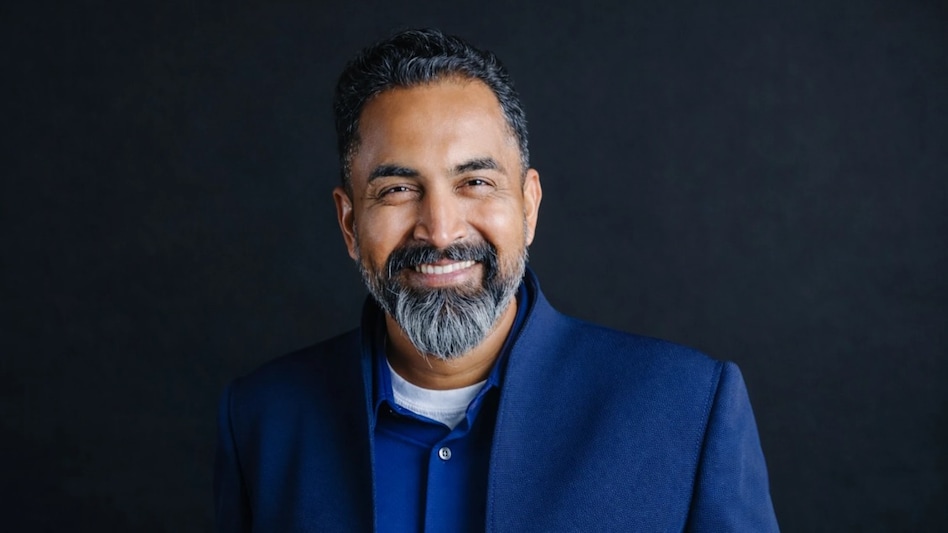
ShareChat's Strategic AI Investment: Aiming for Real Results, Not Just Hype
At the India AI Impact Summit 2026, the discussion predominantly revolved around sovereign computing, advanced models, a...
Business Today | Feb 25, 2026, 05:50