A Sequoia partner warns the AI gold rush is built on shaky, 'experimental' revenue
As AI startups continue to experience unprecedented valuations, a partner at Sequoia Capital has raised concerns about the sustainability of their revenue streams. Alfred Lin, speaking on the "Sourcery" podcast, emphasized the prevalence of what he describes as "experimental revenue"—short-term contracts and pilot programs that may not provide lasting financial stability for these companies. Lin pointed out that while the current enthusiasm for AI is encouraging investors to experiment, it also poses risks. "People are eager to try new things to avoid being left behind in the AI race," he noted. "This is beneficial for founders who can use this funding for research and development, but it's problematic because it's often just pilot revenue that could disappear." He highlighted a troubling trend where some startups inaccurately annualize pilot revenue, misleadingly presenting it as recurring income. "Many founders understand this is not sustainable, yet they multiply their monthly pilot revenue by twelve without concern," Lin stated. He stressed the importance of revenue quality, particularly the retention of customers post-pilot phase. "Retention is crucial; I'd rather see steady growth from quality revenue than rapid growth from unreliable sources." Lin also argued that revenue alone may not be the best indicator of a startup's success. "It's essential to examine the underlying metrics instead," he explained, noting that some of the most successful companies took time to build before achieving significant revenue milestones. "The focus should be on the company's velocity rather than just revenue growth." His warnings come amidst growing discussions on the potential for an AI market correction, reminiscent of the dot-com crash. As AI startups secure record funding, concerns about overheating in the market have surfaced. Notably, Replit, an AI tool provider, anticipates reaching over $1 billion in revenue by next year, a substantial leap from its current sales of $240 million. Experts like Erik Gordon from the University of Michigan have voiced worries that the AI bubble could surpass the dot-com collapse due to its scale. In contrast, some investors, including "Shark Tank" star Kevin O'Leary, argue that the current AI landscape is fundamentally different from the internet bubble, citing tangible productivity gains as a sign of a healthier market. As the debate continues, Lin's insights serve as a crucial reminder for investors to remain vigilant and critically assess the revenue models of AI startups to avoid potential pitfalls in this rapidly evolving sector.
Amazon's AGI Team Faces Job Cuts Amid Ongoing Restructuring
In July, Amazon has initiated further job cuts within its artificial general intelligence (AGI) division as part of its ...
Business Today | Jul 23, 2026, 06:15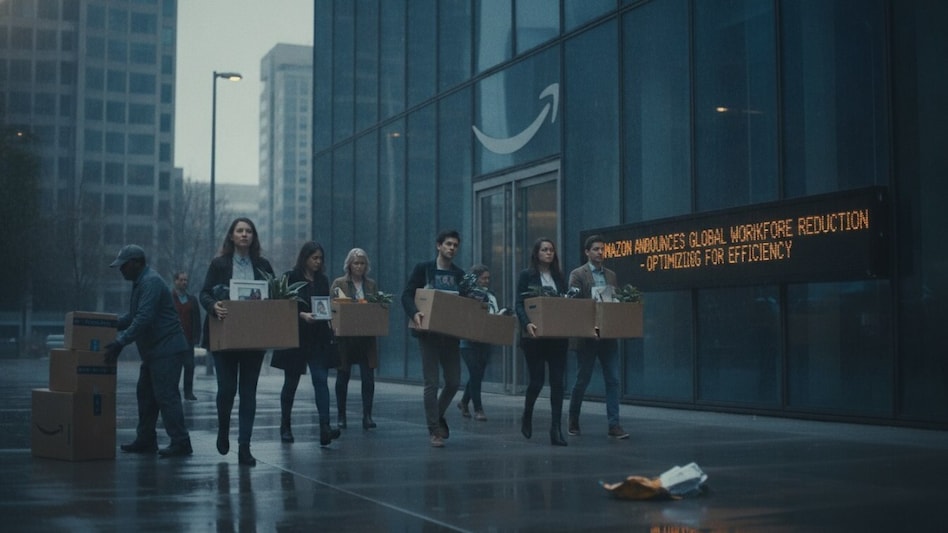
Investors React as AI Investment Woes Weigh on Tesla and Alphabet Shares
Shares of both Alphabet and Tesla experienced significant declines in premarket trading on Thursday, driven by concerns ...
CNBC | Jul 23, 2026, 08:35
ServiceNow Invests $40 Million in Indian Banking Software Firm to Enhance Financial Services
ServiceNow, a prominent U.S. enterprise software provider renowned for streamlining workflows in IT and HR functions, is...
TechCrunch | Jul 23, 2026, 06:50
Samsung's New Foldables Hit the Market with Significant Price Increases
Samsung has unveiled its latest generation of foldable smartphones, introducing two book-style models and a clamshell de...
Business Today | Jul 23, 2026, 07:10
Allegations Fly as US Claims Chinese AI Model Breached Intellectual Property
In a bold accusation, Michael Kratsios, science and technology adviser to President Donald Trump, has charged that the C...
Business Today | Jul 23, 2026, 05:20