
Chinese EVs inch closer to the US as Canada slashes tariffs
In a significant policy shift, Canadian Prime Minister Mark Carney announced on Friday that the country will drastically reduce its import tax on Chinese electric vehicles (EVs) from 100% to a mere 6.1%. This move is expected to facilitate companies such as Geely, BYD, and Xiaomi in expanding their presence within the North American automotive sector. However, Canada is proceeding with caution. The annual import of Chinese EVs will initially be limited to 49,000 units, with plans to gradually increase this cap to approximately 70,000 over the next five years, as reported by the Associated Press. This decision comes at a time when China is actively seeking to enhance its EV export capabilities, particularly as the European Union contemplates a reduction of its own tariffs on these vehicles. While the U.S. has not followed suit, President Trump recently expressed openness to the idea of Chinese automakers establishing factories in the U.S. to produce electric vehicles. Currently, China has been exporting various types of vehicles, including gas, hybrid, and electric models, to Mexico, with electric vehicle sales projected to surge in 2025. In recent years, numerous top-tier Chinese EV manufacturers have been eager to penetrate the U.S. market. Geely, for instance, hosted a drive event at the Consumer Electronics Show in Las Vegas last week, highlighting several models aimed at the Mexican market. Nonetheless, a company spokesperson hinted at possible plans to enter the U.S. market within the next two to three years. Despite the challenges posed by the existing 100% tariff on Chinese vehicles, automotive experts, influencers, and even high-profile executives like Ford CEO Jim Farley have acknowledged the superior quality of Chinese EVs. The low pricing of these vehicles, achieved through a combination of affordable labor and capital, has been a point of contention. The U.S. has been making efforts to distance itself from China's EV supply chain, citing national security concerns under both the Biden and Trump administrations. Additionally, legal barriers exist, as outlined by a rule from the U.S. Department of Commerce last year that restricts the import and sale of connected vehicles and related technology associated with China or Russia. On Thursday, Avery Ash, CEO of the nonprofit Securing America’s Future Energy, voiced concerns regarding Trump's proposal for allowing Chinese automakers to build vehicles in the U.S. He cautioned that such a strategy could have severe repercussions on the American automotive industry and national security, urging the President to remain firm against China to safeguard American manufacturers and workers.
Unleashing the Power of AI: The 5 Smartphones Redefining Mobile Photography
Artificial Intelligence (AI) is transforming our daily experiences, permeating various aspects of technology, including ...
Business Today | Jul 26, 2026, 07:05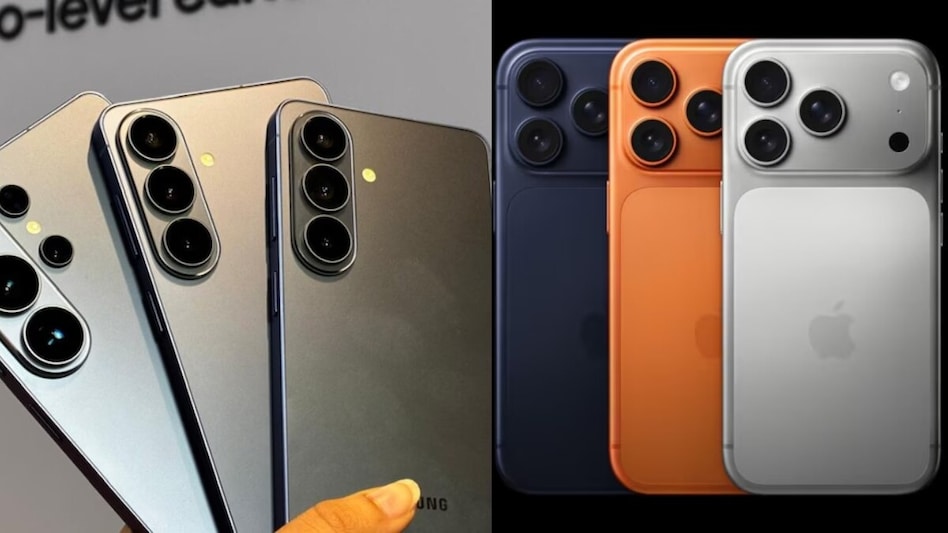
Crisis Averted: Power Line Failure Highlights Urgent Need for Data Center Resilience
A power line failure near Washington, DC, recently showcased a significant challenge faced by the electrical grid due to...
TechCrunch | Jul 25, 2026, 13:50
The Future of Work: Executives Weigh In on AI's Impact on Gen Z Careers
As generative artificial intelligence continues to rise, uncertainty looms for the incoming Gen Z workforce. Leaders fro...
Business Insider | Jul 26, 2026, 10:15Finland Unveils World's Largest Sand Battery to Tackle Renewable Energy Challenges
In a groundbreaking move to address the critical issue of renewable energy intermittency, a small town in southern Finla...
CNBC | Jul 25, 2026, 05:35
The Boring Company Eyes $4 Billion Funding Boost Amid Expanding Tunnel Ventures
Elon Musk's tunneling enterprise, The Boring Company, is reportedly negotiating a substantial funding round of $4 billio...
TechCrunch | Jul 25, 2026, 19:50