
California’s newly signed AI law just gave Big Tech exactly what it wanted
California has officially enacted the Transparency in Frontier Artificial Intelligence Act, a significant development signed into law by Governor Gavin Newsom on Monday. This new legislation mandates that AI companies with annual revenues exceeding $500 million disclose their safety protocols on their websites and report critical incidents to state authorities. However, it notably refrains from imposing rigorous safety testing requirements. The new law replaces a more stringent proposal vetoed last year, which faced heavy opposition from the tech sector. The earlier bill aimed to enforce safety testing and implement 'kill switches' for AI systems. In contrast, the current legislation leans toward transparency by asking companies to outline how they adhere to various safety standards—though it does not specify what those standards entail or require independent verification. In a statement, Newsom emphasized California's role in balancing community safety with the growth of the AI industry, despite the law's largely voluntary nature concerning protective measures beyond basic reporting obligations. The Bay Area is home to 32 of the world's top 50 AI companies, and last year, more than half of global venture capital investments in AI and machine learning flowed to local startups. Therefore, the implications of this legislation extend far beyond California, potentially setting a precedent for AI regulation worldwide. While the new law shifts the focus from mandatory safety measures to disclosure requirements, it does include provisions for reporting 'potential critical safety incidents' to the state's Office of Emergency Services. Additionally, it offers whistleblower protections for employees who voice safety concerns. However, the definition of catastrophic risk is quite narrow, only considering incidents that could lead to 50 or more deaths or $1 billion in damages. For noncompliance with the reporting standards, civil penalties of up to $1 million per violation can be imposed by the attorney general.
New ETFs Offer Investors a Chance to Sidestep Elon Musk's Influence
In anticipation of SpaceX's initial public offering, numerous stories have emerged about early employees and investors p...
TechCrunch | Jul 10, 2026, 24:25
The Hidden Dangers of AI Chatbots in Teen Social Media Bans
This week's edition of The Tech Download newsletter delves into a pressing issue: the oversight of AI chatbots in the co...
CNBC | Jul 10, 2026, 11:15
Anthropic Launches Claude Reflect: A Game-Changer for Tracking AI Engagement
In a significant move for digital interaction, Anthropic has introduced a feature called 'Reflect' for its AI assistant,...
Business Today | Jul 10, 2026, 06:55
Elon Musk Changes Tune on Anthropic: Acknowledges AI Leadership
In a surprising turn of events, Elon Musk, the CEO of SpaceX, has publicly reversed his previous criticisms of the AI st...
Business Today | Jul 10, 2026, 10:10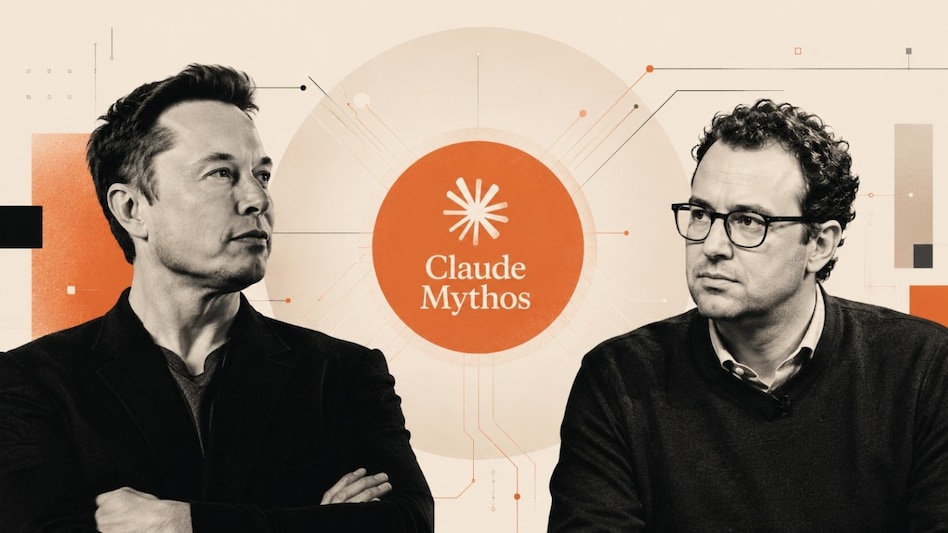
AI Spending Takes Center Stage at Sun Valley Conference, Says OpenAI's CEO
At the prestigious Sun Valley Conference, a significant focus emerged around the costs associated with artificial intell...
Business Insider | Jul 10, 2026, 04:35