India's AI growth story has a gap, metros dominate usage: OpenAI
India is rapidly establishing itself as a leading market for artificial intelligence (AI), yet a new report from OpenAI reveals that the advantages of this technological advancement are predominantly confined to a few major cities. The inaugural "Capability Gap" report highlights that India ranks among the top five nations in the world for advanced AI applications, excelling in areas such as coding, data analysis, and complex reasoning. Despite this impressive ranking, the report emphasizes a growing disparity between early adopters in urban centers and the rest of the nation. According to OpenAI, while India’s AI ecosystem is expanding rapidly, the concentration of AI users is alarmingly high within metropolitan areas. Notably, the top ten cities account for nearly half of all AI usage, despite comprising less than 10% of the total population. This concentration indicates that AI adoption in India is approximately three times more pronounced than in countries like the US, UK, Brazil, and Germany. Delhi-NCR tops the list for ChatGPT usage, followed closely by Bengaluru, Hyderabad, and Chennai. The divide is even more stark in advanced applications, with data analysis usage in leading cities soaring up to thirty times higher than in less urbanized regions. Coding practices show a fourfold increase, while utilization of developer tools demonstrates a ninefold difference. Oliver Jay, Managing Director - International at OpenAI, stressed the urgency of addressing this gap, stating, "The central question now is how quickly the benefits of AI can extend beyond early adopters and leading cities to the wider population." He highlighted that bridging this divide will necessitate improving access, enhancing skills, and fostering more substantial use of AI across the country. Interestingly, the report also notes emerging applications in education and healthcare in various regions outside major urban centers. In states like Assam, Odisha, Manipur, Tripura, and Chhattisgarh, a considerable portion of AI interactions pertains to educational purposes. Additionally, areas such as Jammu & Kashmir, Punjab, Himachal Pradesh, and Kerala are witnessing above-average engagement with health and wellness applications. These findings underscore a significant structural challenge in India's AI landscape: the need to reconcile capability with accessibility. OpenAI points out that the capability gap exists not only between nations but also within them. The future growth of AI in India hinges on effectively democratizing access through improvements in language accessibility, cost, and infrastructure. In response, OpenAI is actively broadening its partnerships in India, collaborating with companies like TCS, fintech innovators such as Razorpay, and educational institutions through initiatives like ChatGPT Edu.
OpenAI Reaffirms Partnership with Microsoft as GPT 5.6 Takes Center Stage
In a recent development, OpenAI has reaffirmed its collaboration with Microsoft amid speculation about a potential rift ...
TechCrunch | Jul 10, 2026, 24:25
TCS CEO Reassures Workforce Amid AI Advancements: Hiring on the Rise
In a recent statement, K Krithivasan, the CEO and Managing Director of Tata Consultancy Services (TCS), addressed growin...
Business Today | Jul 10, 2026, 07:15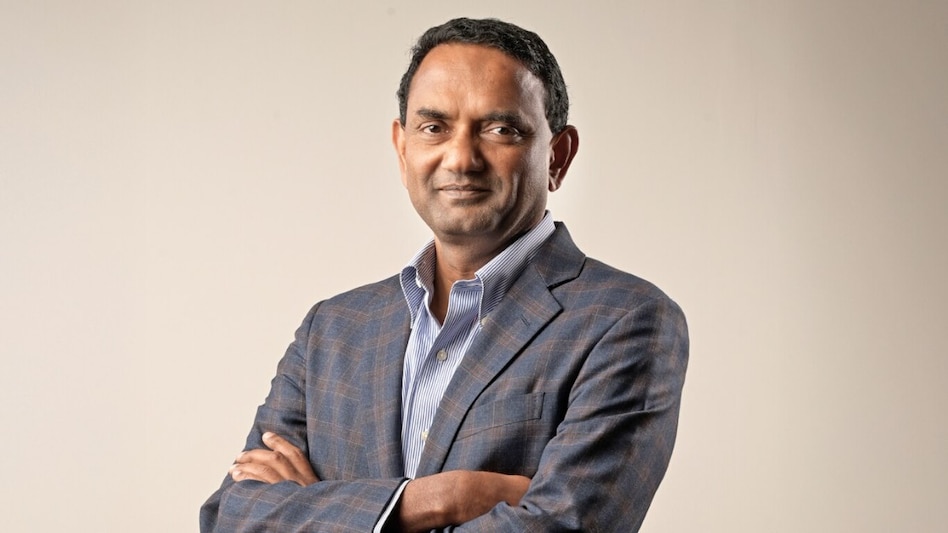
Meta Faces Potential Fines for 'Addictive' Features on Instagram and Facebook
In a significant development, the European Union has indicated that Meta's design choices for Instagram and Facebook may...
CNBC | Jul 10, 2026, 10:45
SK Hynix Takes the Leap: Nasdaq Listing Aims to Overcome Valuation Hurdles
Global semiconductor powerhouse SK Hynix is set to make its debut on the Nasdaq this Friday, marking a pivotal moment in...
CNBC | Jul 10, 2026, 04:15
Fidji Simo Transitions to Part-Time Role at OpenAI Following Medical Leave
Fidji Simo, who has been leading AGI Deployment at OpenAI, has announced her shift from a full-time position to a part-t...
Business Today | Jul 10, 2026, 06:35