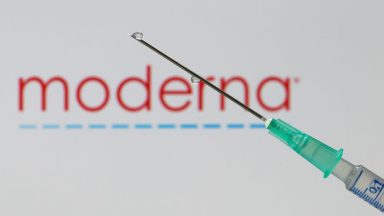
mRNA cancer vaccine shows protection at 5-year follow-up, Moderna and Merck say
In a recent clinical trial, personalized mRNA vaccines targeting high-risk skin cancers have shown a remarkable ability to lower the chances of cancer recurrence and mortality by nearly 50% over a five-year period compared to standard therapies. This significant finding was reported by pharmaceutical giants Moderna and Merck, who are jointly developing the experimental cancer vaccine known as intismeran autogene (mRNA-4157 or V940). While the companies have initially shared only top-line results through a press release, these findings closely mirror earlier, detailed analyses from the same trial, which monitored recurrence and death rates at two and three years post-treatment. Further insights from this Phase 2 trial are expected to be unveiled at an upcoming medical conference, and a Phase 3 trial is already in progress with patient enrollment completed. The ongoing Phase 2 trial involved 157 participants diagnosed with stage 3 or stage 4 melanoma, all deemed at high risk for cancer recurrence following surgical intervention. The standard approach to mitigate recurrence typically includes immunotherapy, such as Merck's Keytruda (pembrolizumab). This medication enhances the immune system's ability to combat cancer by enabling T cells to attack and destroy cancer cells, which they are naturally designed to do. However, many cancer types, including melanoma, can evade T cell responses by binding to PD-1 receptors, effectively disabling these immune cells. Keytruda counters this by blocking PD-1 receptors, allowing T cells to remain active and target cancer cells. In the trial, every participant received Keytruda as part of their treatment plan, but they were randomly assigned in a 2:1 ratio to also receive the customized mRNA vaccines. These vaccines were meticulously designed for each patient’s unique melanoma profile, delivering genetic instructions that enable healthy cells to produce up to 34 distinct markers of their mutated cancer cells. This process equips T cells with the necessary information to recognize and attack the cancer effectively.
Shifting Focus: The Cost-Effectiveness of AI Models Takes Center Stage
In recent years, the AI sector has been intensely focused on identifying the most advanced models. While this pursuit re...
Business Insider | Jul 25, 2026, 13:10Reclaiming Control: Librarians Host Workshops to Help People Navigate AI Tools
In a lively library setting in South Philadelphia, Charlie Bailey, a local librarian, humorously noted, "Everybody’s on ...
TechCrunch | Jul 25, 2026, 16:20
The Aluminum Foil Trend: A DIY Shield Against Wireless Identity Theft
Have you noticed an unusual trend where people are wrapping their wallets in aluminum foil? This peculiar practice has e...
Business Today | Jul 25, 2026, 02:45
Waymo Considers Parting Ways with Uber Amid Rising Tensions
Waymo is reportedly exploring options to exit its partnership with Uber, which has allowed the Alphabet-owned firm to de...
TechCrunch | Jul 24, 2026, 21:00
Unveiling the Future of Finance: TechCrunch Disrupt 2026's Smart Money Stage
The landscape of money is transforming beyond just cash or bank balances, and TechCrunch Disrupt 2026 is set to spotligh...
TechCrunch | Jul 24, 2026, 22:40