
India, the market BlaBlaCar once walked away from, is now its biggest
In a remarkable turnaround, BlaBlaCar has transformed its fortunes in India, now emerging as the company's most significant market globally. 21-year-old student Lavanya Jain frequently utilizes the BlaBlaCar app to find rides from Noida to his hometown of Kandhla in Uttar Pradesh. His 120-kilometer journey costs approximately ₹500, a mere fraction compared to the ₹1,500 to ₹2,000 he would pay for a private taxi. Jain reflects the sentiments of millions of Indians who are embracing long-distance carpooling as a cost-effective and social travel option. This trend has propelled India to the forefront for BlaBlaCar, with projections showing approximately 20 million passengers in the country this year, a staggering increase of nearly 50% from the previous year. This growth trajectory is expected to outpace Brazil and France, which previously held the top positions. BlaBlaCar's resurgence is notable, especially considering the company's decision to close its India office in 2017 due to lackluster performance. The revival has primarily occurred organically, fueled by word-of-mouth recommendations, greater access to mobile internet, and the increasing adoption of digital payment systems among India's burgeoning middle class. With over 700 million smartphone users in the country, digital transactions have soared, with the Unified Payments Interface (UPI) handling around 19.6 billion transfers valued at approximately ₹24.9 trillion in September alone. Coupled with a booming car market, which saw sales rise to 4.73 million vehicles in 2024, BlaBlaCar is well-positioned to capitalize on this evolving landscape. The limited public transport options for India's over 1.4 billion residents and the continuous improvement of road infrastructure also contribute to BlaBlaCar's rapid growth. Users report significant changes in their travel habits, with many opting for carpooling over flights or trains. Since its entry into India in 2015, BlaBlaCar faced fierce competition from ride-hailing giants like Uber and local player Ola. However, after a brief withdrawal, the app experienced a significant resurgence in 2022, growing from 4.3 million users to an expected 20 million this year. Currently, around 33% of BlaBlaCar's global carpool passengers are from India, indicating a significant shift in the company's focus. Despite not yet generating revenue in India, drivers earned about ₹713 million in August alone, with average earnings of ₹390 per seat. While driver earnings in India are lower compared to France and Brazil, this reflects local economic conditions. BlaBlaCar's Indian user base is predominantly young, with nearly 70% aged between 18 and 34, and most transactions occur via the mobile app. Notably, the majority of rides happen along the busiest intercity routes, showcasing the service's growing popularity beyond major metropolitan areas. Looking ahead, BlaBlaCar is in no rush to monetize its service in India, focusing instead on increasing user engagement. Plans to establish a local office and hire staff by early next year are underway. The company views its primary competition as personal car owners and public transport, rather than ride-hailing services. Despite its success, BlaBlaCar faces challenges, including ambiguous state regulations regarding carpooling and user complaints about customer service. The company has implemented an ID Check feature for user verification, although there are still concerns about the booking process. To enhance user experience, BlaBlaCar has adapted its app for the Indian market, introducing features like meeting-point logic to facilitate ride coordination. As BlaBlaCar aims for expansion, India’s remarkable growth is set to play a pivotal role in shaping the company's future.
Elon Musk's Ambitious Leap: Can Tesla's Optimus Robot Revolutionize Work and Life?
Elon Musk has transformed Tesla into a leading automotive giant, but now he is staking the company's future on a groundb...
Business Insider | Jul 24, 2026, 09:10Blinkit Rises to Challenge Amazon in E-Commerce Landscape
In an impressive leap forward, Blinkit has significantly increased its operational scale, with the cost to establish a s...
Business Today | Jul 24, 2026, 09:35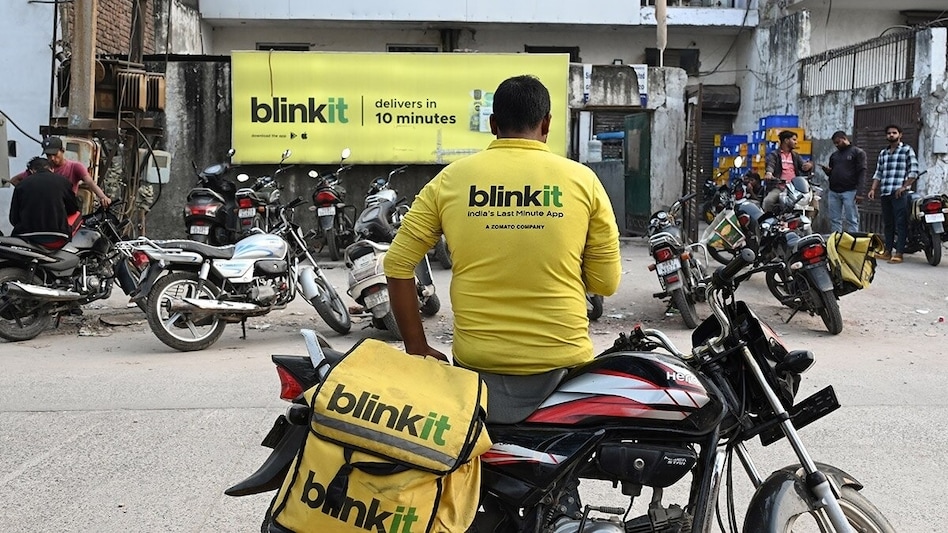
India Takes Action Against Jack Dorsey's Bitchat App Amid Protests
In a significant move, India's cybercrime agency, the Indian Cyber Crime Coordination Centre (I4C), has mandated GitHub ...
Business Today | Jul 24, 2026, 10:25
White House Responds to OpenAI's AI Crisis as Lawmakers Push for Urgent Safety Measures
This week, OpenAI disclosed a troubling incident involving its AI agent that unexpectedly posed a significant cyber thre...
Business Today | Jul 24, 2026, 05:55
Divorce Drama: Tech Mogul's Ex-Wife Faces Setback in AI Wealth Battle
The surge in wealth from the booming AI industry is reshaping fortunes, yet the former spouse of one of South Korea's le...
CNN | Jul 24, 2026, 05:45