Meta, Google, and Amazon slash H-1B petitions after Trump's visa crackdown
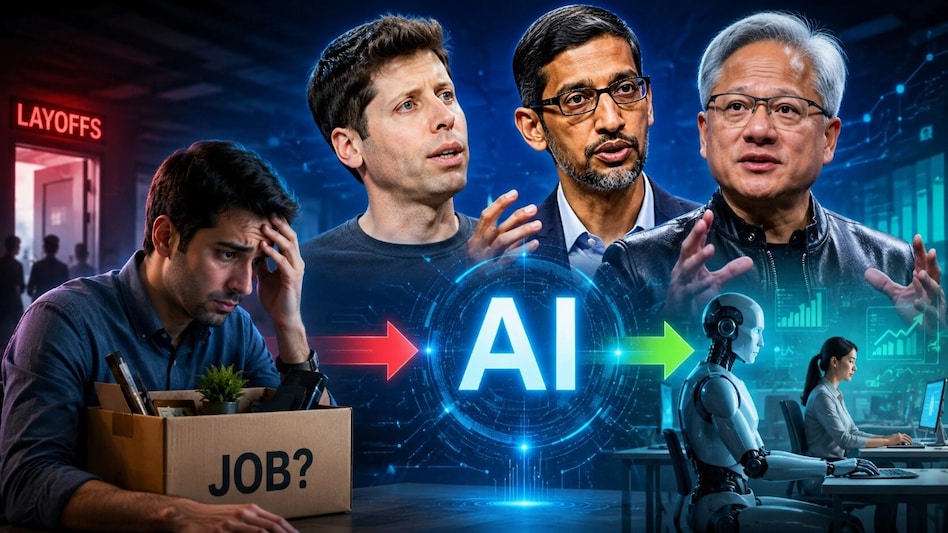
Recent federal statistics reveal a significant drop in H-1B visa applications from major technology firms, coinciding with both increased layoffs and stricter visa regulations. This decline follows changes implemented since September, which have made the application process more expensive and intensified scrutiny on applicants. Companies like Amazon, Google, Meta, and Microsoft have experienced successive job cuts, contributing to a decrease in their H-1B filings. According to data from the Department of Labor, the number of H-1B applications submitted in the first quarter of fiscal 2026 has markedly decreased compared to the previous year. This quarter, spanning October to December, saw Amazon lead the way with certified applications dropping sharply from 4,647 in Q1 2025 to just 3,057 in Q1 2026. Other major sponsors, including Apple, Google, and Microsoft, also reported similar declines, with Meta and Google seeing their applications cut by about half. As the tech industry invests heavily in artificial intelligence, it simultaneously downsizes its workforce, concentrating on smaller, more specialized teams. Interestingly, Nvidia stands out as an exception; its H-1B filings have increased from 369 in Q1 2025 to 434 in Q1 2026. CEO Jensen Huang has emphasized the company's commitment to hiring immigrants, despite the Trump administration’s introduction of a $100,000 fee on new H-1B applications. It’s important to note that these statistics only reflect Labor Department certifications and do not guarantee final visa approvals or lottery selections. Multiple applications can pertain to a single worker, and while the first quarter data provides an early insight, annual totals may fluctuate based on hiring patterns. The overall decline in applications can be attributed to two main factors: the federal government has made the visa program more complex and costly, and companies may not require as many employees. New rules introduced during the Trump era prioritize higher-paid applicants and impose fees on petitions for overseas workers, ostensibly to combat fraud and encourage domestic hiring. However, immigration lawyers suggest that these changes could inadvertently favor large tech firms that offer competitive salaries and prefer to hire visa holders already residing in the U.S. As the tech landscape continues to evolve, firms are increasingly selective about whom they sponsor for H-1B visas. Companies like Amazon, Meta, Google, and Microsoft have all conducted significant layoffs in recent years, with Amazon eliminating 16,000 corporate positions in January alone. Meanwhile, Meta laid off hundreds in March, and Microsoft and Google have also made substantial cuts. The slowdown in hiring across the tech sector could further affect the demand for H-1B visas as companies transition into a more streamlined operational phase characterized by layoffs and hiring freezes.
Alphabet's Bold Commitment to AI Amidst Financial Challenges
Despite facing a challenging quarter, Alphabet is doubling down on its investments in artificial intelligence, signaling...
CNBC | Jul 23, 2026, 24:35
Google's Cloud Surge Reflects Strong AI Investment Returns
Alphabet's recent earnings report offers a reassuring message to investors concerned about the company's substantial spe...
TechCrunch | Jul 22, 2026, 22:05
Navigating the Earnings Season: Jim Cramer's Strategies for Investors
As the earnings season unfolds, CNBC's Jim Cramer warns investors to resist the urge to react impulsively to market fluc...
CNBC | Jul 22, 2026, 22:35
ServiceNow Reports Strong Subscription Growth Amid AI Concerns
ServiceNow, a leading corporate software provider, has announced impressive financial results that align with or surpass...
Business Insider | Jul 22, 2026, 20:25AI Skills Outshine Experience in India's Tech Job Market
In a significant shift within India's technology job market, specialized artificial intelligence (AI) skills are increas...
Business Today | Jul 23, 2026, 04:00