Think you’ve bought FIFA 2026 tickets? It could be a scam – Here’s what to watch
As the excitement for the 2026 FIFA World Cup builds, cybercriminals are seizing the opportunity to launch a series of scams targeting eager fans. Fraudulent websites, phishing schemes, and ticketing scams are proliferating, all aimed at stealing money and personal information from unsuspecting individuals. Experts caution that these cyber attacks are not random; they are part of a well-organized campaign that coincides with FIFA's ticketing and promotional activities. According to a recent report from Check Point Research, over 4,300 new domains have been registered that mimic FIFA and various host cities, including Dallas, Miami, Toronto, and Mexico City. Many of these domains were created in rapid succession, utilizing shared DNS infrastructure and bulk-friendly registrars like GoDaddy and Namecheap. Some of these deceptive sites even reference future tournaments, such as FIFA 2030 and 2034, in a strategy known as “domain aging,” which aims to lend credibility over time—a tactic often seen in long-term brand exploitation. The timing of these scams is particularly alarming. With FIFA's first ticket presale occurring from September 9 to 19, and ticket purchases slated to begin on October 1, cybercriminals are poised to exploit this window. Fans may encounter fake ticket confirmations or fraudulent queue portals that appear to come from official FIFA communications. The heightened sense of urgency surrounding ticket sales makes fans more vulnerable to these schemes, increasing their risk of financial loss and identity theft. Amit Weigman, an Evangelist at Check Point, emphasized, “These are not random acts. Cybercriminals are strategically aligning their attacks with FIFA’s timeline.” He noted that these efforts are systematic, aiming to target both consumers and FIFA's digital operations. Moreover, cybercriminals are reportedly employing botnets to disrupt ticket presale systems and manipulate pricing models. Underground forums and channels are even promoting tailored toolkits designed to exploit FIFA’s infrastructure. The implications of these scams extend beyond individual fans. FIFA, its sponsors, and host cities face risks such as brand abuse and lost revenue, along with scams targeting tourists seeking accommodations and services. To safeguard against these threats, fans should only purchase tickets through official FIFA channels and remain vigilant when scrutinizing website URLs for errors or inconsistencies. Emails offering early access or VIP tickets should be approached with caution, and links shared on social media or messaging apps should be treated with skepticism. Keeping antivirus software updated and utilizing browser security extensions can also provide additional protection. The fight against cybercrime in the lead-up to FIFA 2026 has already commenced, and awareness and caution are essential to ensure that the joy of the tournament is not marred by scams.
Vercel's Vision: Navigating AI's Future with Intelligent Agents
Vercel, a key player in cloud infrastructure, has positioned itself at the forefront of AI software development. With an...
TechCrunch | Jul 06, 2026, 20:10
Unveiling the ASUS ExpertBook Ultra (2026): A Revolutionary Blend of Style and Power for Professionals
For years, business laptops have been synonymous with practicality and sturdiness but have lacked excitement in design. ...
Business Today | Jul 07, 2026, 07:45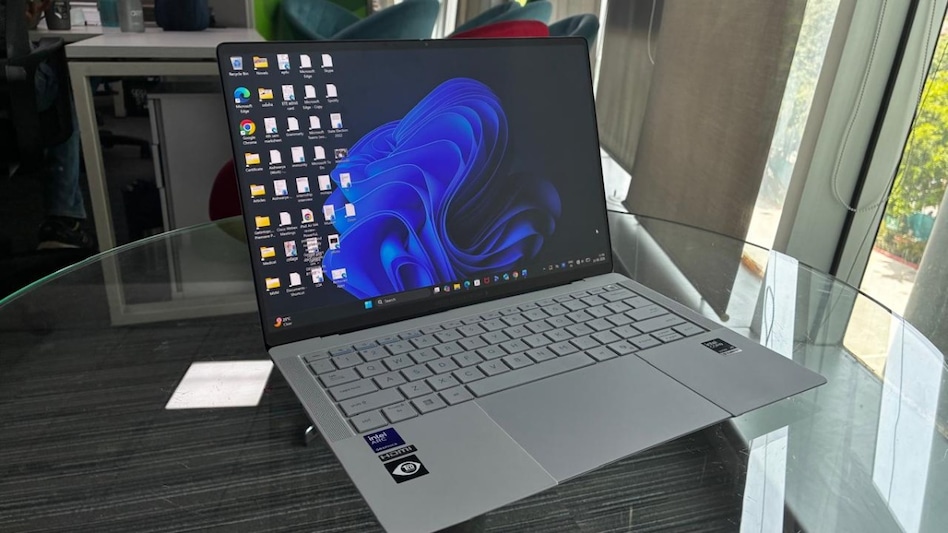
Microsoft Restructures Xbox Division, Laying Off Thousands as Gaming Strategy Shifts
In a significant restructuring move, Microsoft has announced plans to eliminate 4,800 jobs, which represents approximate...
Business Today | Jul 07, 2026, 05:00
Diversity in AI Partnerships: Vercel's CEO Shares Insights on Evolving Strategies
In a recent interview with TechCrunch, Vercel's CEO Guillermo Rauch emphasized a significant shift in how companies appr...
Business Insider | Jul 07, 2026, 07:20CISA Leverages Anthropic's Mythos AI to Strengthen Government Cybersecurity
The US Cybersecurity and Infrastructure Security Agency (CISA) is now employing Anthropic’s advanced AI model, Mythos, t...
Business Today | Jul 07, 2026, 05:55