
I used ChatGPT 1.5 & Nano Banana Pro to turn my selfie into K-pop art - results
OpenAI recently unveiled the global launch of ChatGPT Images 1.5 on December 17, marking a significant enhancement in its AI-driven image generation and editing features. This new version is based on the cutting-edge GPT Image 1.5 model, promising quicker, more accurate, and versatile image creation and editing options directly within the ChatGPT platform. Notably, it competes with Google's Gemini Nano Banana Pro, which received substantial updates back in August. Users and developers across the globe can now tap into these improved visual tools via ChatGPT and its API. To illustrate the advancements, a comparison was made using both AI tools with two identical prompts to evaluate their outputs. The first prompt involved transforming a subject's image into a K-pop idol version, maintaining their inherent facial features, skin tone, and identity. The goal was to create a high-fashion look inspired by modern K-pop photoshoots, complete with stylish outfits and professional lighting. While both AI solutions excelled, Gemini produced images more swiftly—around 35 to 40 seconds—while ChatGPT Images 1.5 took about 60 seconds but offered more vivid outfits and backgrounds. The second prompt focused on converting the subject into a chibi-style character, characterized by oversized heads and tiny bodies, while retaining recognizable features. Here, both AIs achieved impressive results, though Gemini excelled in capturing background elements and rendering realistic chibi characteristics faster than ChatGPT. ChatGPT Images 1.5 marks a notable advancement in AI image generation, emphasizing vibrant visuals and precise editing capabilities. Although Gemini maintains an edge in speed, OpenAI's latest update strives to meet and potentially exceed its competitor in creative output and user control, especially for intricate transformations. A key highlight of ChatGPT Images 1.5 is its selective editing capability, allowing users to modify specific image areas while leaving the rest untouched. This feature enables users to add or remove elements, alter colors, or adjust styles without altering the original image's integrity. Additionally, the model supports combining multiple images into a singular scene, offering users greater creative flexibility in their compositions. Improved instruction-following means that the AI can now adhere to detailed editing requests more effectively, changing only the specified aspects of an image.
Elon Musk Faces Major Setbacks as Tesla and SpaceX See Significant Stock Declines
It has been a challenging week for Elon Musk, as both Tesla and SpaceX experienced substantial stock declines. Tesla sha...
CNBC | Jul 24, 2026, 20:40
Waymo Considers Parting Ways with Uber Amid Rising Tensions
Waymo is reportedly exploring options to exit its partnership with Uber, which has allowed the Alphabet-owned firm to de...
TechCrunch | Jul 24, 2026, 21:00
Waymo to Launch Standalone App, Ending Exclusivity with Uber in Major Cities
For the past three years, Uber and Waymo, the autonomous vehicle division of Alphabet, have collaborated to provide driv...
CNBC | Jul 24, 2026, 21:55
The Aluminum Foil Trend: A DIY Shield Against Wireless Identity Theft
Have you noticed an unusual trend where people are wrapping their wallets in aluminum foil? This peculiar practice has e...
Business Today | Jul 25, 2026, 02:45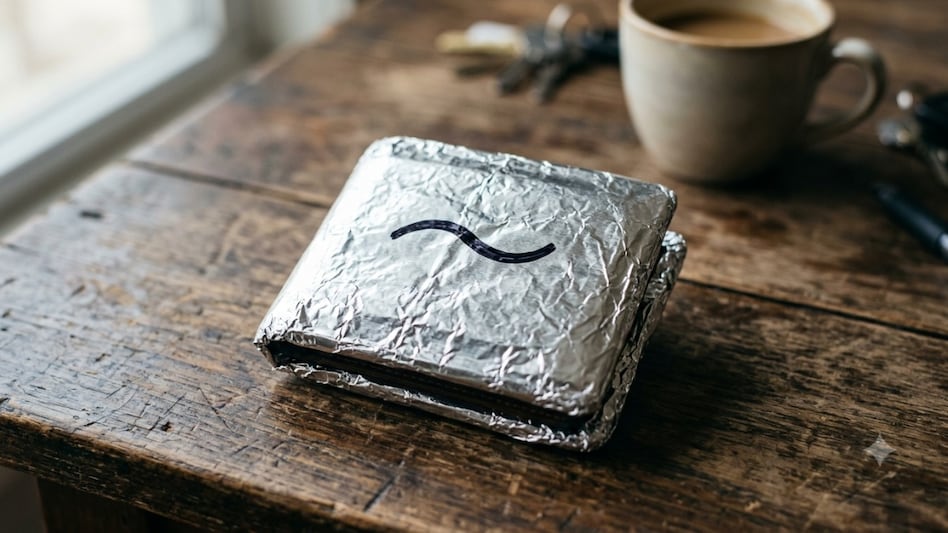
Crisis Averted: Power Line Failure Highlights Urgent Need for Data Center Resilience
A power line failure near Washington, DC, recently showcased a significant challenge faced by the electrical grid due to...
TechCrunch | Jul 25, 2026, 13:50