Baidu robotaxis reportedly halted mid-traffic causing crashes in Wuhan, China
In a troubling incident in Wuhan, China, Baidu's Apollo Go robotaxis reportedly came to a sudden halt in the midst of traffic, leading to multiple collisions and trapping passengers inside the vehicles. Eyewitness accounts and videos shared on social media highlighted the chaos that ensued on Tuesday, prompting a swift response from local traffic authorities. The Wuhan traffic police confirmed the occurrence through a statement on their official Weibo account, noting that several Apollo Go vehicles had stalled on the roadway. The police indicated that preliminary investigations pointed to system malfunctions as the likely cause of the disruptions. Their statement revealed that collaboration with Apollo Go staff was essential in managing the initial crisis, although the investigation into the matter is ongoing. Fortunately, all passengers were able to exit the affected vehicles safely. Baidu, the tech giant behind Apollo Go, did not provide an immediate comment following the events. The city of Wuhan holds significance as the site of Baidu's largest deployment of robotaxis in China, with over 1,000 vehicles operating without human drivers. Similar to Alphabet's investments in Waymo, Baidu has aggressively expanded its driverless ride-hailing services, marking a significant advancement in the burgeoning robotaxi industry. Apollo Go faces stiff competition from other autonomous vehicle manufacturers in Asia, such as WeRide and Pony.AI. While Tesla is also venturing into driverless technology, it has yet to launch a commercial robotaxi service beyond a limited pilot program in Austin, Texas. Currently, Apollo Go operates its commercial driverless ride-hailing services across numerous major Chinese cities, including Wuhan and parts of Beijing. In its financial report for the fourth quarter of 2025, Baidu revealed that Apollo Go's driverless vehicles have been deployed or are undergoing testing in 26 international cities. The company reported an impressive 3.4 million fully driverless operational rides during that quarter, with peak weekly rides exceeding 300,000. Furthermore, Baidu has engaged in partnerships with ride-hailing services like Uber and Lyft to test autonomous vehicles in London, and it has launched fully autonomous services in Abu Dhabi. Recently, the company received the first permit for completely driverless testing in Dubai and began offering its robotaxis through the Uber app there. In light of the Wuhan incident, Uber has yet to comment on the situation or its potential impact on its Dubai fleet. This incident comes on the heels of a similar occurrence in December when a power outage led to Waymo's robotaxi fleet stalling in San Francisco. Baidu touts that its Apollo Go vehicles have covered an astonishing 300 million kilometers autonomously, with over 190 million of those kilometers driven without any human safety supervisor present. While Chinese robotaxi operators claim a strong safety record with no major injuries reported, details on crashes have been less transparent. Although regulators have not yet issued a response to the recent event, experts from the China Insurance Industry Association are reportedly developing specific insurance terms for driverless vehicles as the country continues to embrace this evolving technology.
Global Leaders Unite to Promote Secure Open-Source AI at APEC Summit
In a significant development at the recent APEC summit in Chengdu, China, member nations, including the United States, e...
CNBC | Jul 24, 2026, 02:45
Flipkart Enters the Food Delivery Arena, Challenging Major Competitors
Walmart's e-commerce powerhouse, Flipkart, is gearing up to launch its own food delivery platform, igniting competition ...
Business Today | Jul 24, 2026, 07:15
Fremont Emerges as a Robotics Hub: The Rise of Agility Robotics and Its Ambitious Plans
In a surprising turn of events, Fremont, a city traditionally known for its industrial parks, is rapidly becoming a foca...
Business Insider | Jul 24, 2026, 08:25India Takes Action Against Jack Dorsey's Bitchat App Amid Protests
In a significant move, India's cybercrime agency, the Indian Cyber Crime Coordination Centre (I4C), has mandated GitHub ...
Business Today | Jul 24, 2026, 10:25
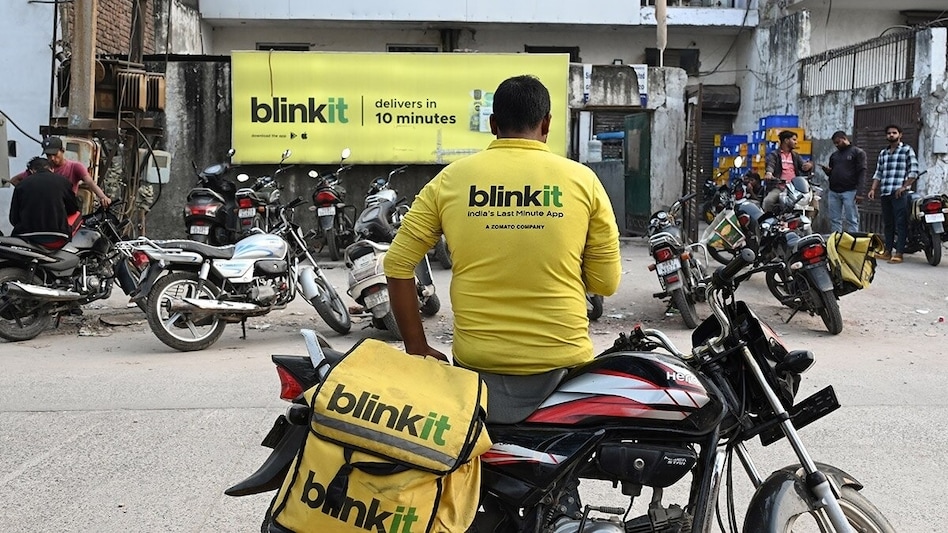
Blinkit Rises to Challenge Amazon in E-Commerce Landscape
In an impressive leap forward, Blinkit has significantly increased its operational scale, with the cost to establish a s...
Business Today | Jul 24, 2026, 09:35