
Autolane is building ‘air traffic control’ for autonomous vehicles
As companies like Waymo and Zoox rapidly deploy robotaxis, the potential impact of autonomous vehicles on daily life is becoming increasingly tangible. While the prospect of driverless rides is exciting, the real challenge lies in optimizing the logistics of these vehicles, such as where they should stop to pick up groceries or dry cleaning. Addressing this need, Palo Alto-based Autolane has announced it has raised $7.4 million in funding to develop a crucial infrastructure layer for autonomous vehicle operations. Backed by notable venture capital firms, including Draper Associates and Hyperplane, Autolane aims to streamline the coordination of pickup and drop-off points for businesses that want to integrate robotaxis on their premises. The startup has already partnered with Simon Property Group to manage driverless vehicle traffic at shopping centers in Austin, Texas, and San Francisco, California. This partnership will involve implementing both physical infrastructure—such as signage similar to those used by ride-sharing services—and sophisticated software solutions. Ben Seidl, co-founder and CEO of Autolane, emphasized the company's unique positioning within the autonomous vehicle landscape. "We are one of the first 'application layer' companies in the autonomy space," he told TechCrunch. "We’re not manufacturing vehicles; instead, we aim to orchestrate and evaluate the rapidly growing industry." Although initially focusing on robotaxis, Seidl envisions broader applications for Autolane's technology in various autonomous vehicle tasks. He is keen to act swiftly, noting that the startup currently faces no direct competition, a situation he anticipates will change soon. Seidl's conviction in the business opportunity emerged after experiencing Tesla's Full Self-Driving software firsthand. "When I saw my car navigating flawlessly, it was a revelation," he recounted, highlighting the transformative potential of autonomous technology across logistics, retail, and urban living. He pointed to a recent incident involving a Waymo robotaxi that struggled to navigate a Chick-fil-A drive-through as a problem Autolane aims to prevent. By providing precise instructions through its software, Autolane seeks to eliminate such logistical challenges. Seidl noted that while companies could establish some physical infrastructure independently, the complexity of robotics requires precise geolocation and communication protocols that go beyond basic signage. Autolane’s value lies in its ability to integrate seamlessly with both real estate owners and autonomous vehicle providers, aiming to create APIs that facilitate this collaboration. Importantly, Seidl clarified that Autolane's focus excludes public streets and parking, operating strictly within a B2B framework. The startup provides hardware-enabled solutions that empower businesses like Costco, McDonald’s, and Simon Property Group to establish what Seidl describes as "air traffic control for autonomous vehicles," allowing for efficient management of incoming and outgoing traffic.
Anthropic Strengthens Presence in India with New Appointment
Anthropic has announced the appointment of Jai Gidwani to its founding go-to-market (GTM) team in India, marking a signi...
Business Today | Jul 02, 2026, 07:45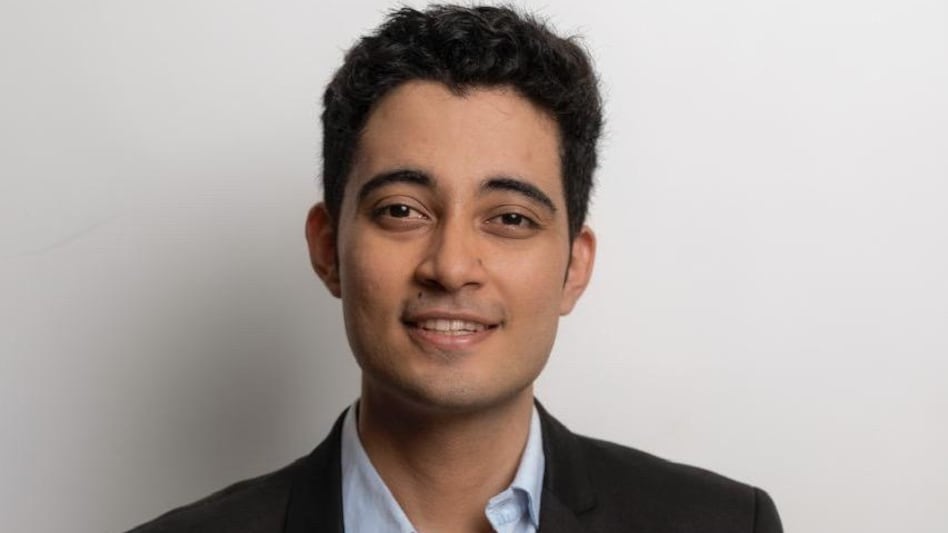
Tesla Surpasses Delivery Expectations with 480,126 Vehicles in Q2
In a significant turnaround, Tesla has reported that it delivered 480,126 vehicles in the second quarter, exceeding anal...
CNBC | Jul 02, 2026, 13:20
Introducing the Limited Edition Nothing Phone 4b RCB: A Tribute to IPL Glory
Nothing is set to unveil its inaugural b-series smartphone, the Nothing Phone 4b, in India on July 7, 2026. Right before...
Business Today | Jul 02, 2026, 12:15
Apple's Ambitious iPhone Lineup: Five New Models on the Horizon by 2027
Apple is gearing up for an exciting future with plans to unveil at least five new iPhone models from late this year thro...
CNBC | Jul 02, 2026, 07:15
Robinhood's CEO Envisions AI Trading Agents Matching Human Expertise
Vlad Tenev, the CEO of Robinhood, has made a bold prediction about the future of trading: artificial intelligence agents...
CNBC | Jul 02, 2026, 10:25