
Australia Spy Chief Warns of China Hackers Probing Networks
The head of Australia’s intelligence agency has raised serious concerns about Chinese state-sponsored hackers targeting the country's essential communication and infrastructure networks. In a powerful address at a financial regulation conference held in Melbourne on Wednesday, Mike Burgess, the director-general of the Australian Security Intelligence Organisation, highlighted the expanding scope of cyber activities attributed to China. Burgess stated that while the United States has traditionally been a primary target, Australian networks are increasingly under scrutiny. He noted that the Volt Typhoon hacking group has been actively probing critical infrastructure, emphasizing that these hackers were previously involved in compromising American networks for potential sabotage. Additionally, he mentioned another group, known as Salt Typhoon, which has been infiltrating Australia’s telecommunications networks and engaging in espionage activities against the United States. Burgess pointed out that the appeal of cyber-enabled espionage for foreign intelligence agencies lies in its low cost and high-impact potential, as well as the ability to deny involvement and scale operations. Once these hackers access a network, Burgess warned, the consequences depend on their intent rather than their technical capabilities. He expressed concern about the potential for severe disruption, stating, "I do not think we – and I mean all of us – truly appreciate how disruptive, how devastating, this could be." Earlier this year, allied intelligence services had indicated that the Volt Typhoon group had been embedded within some critical Australian industry networks for several years. In response to Burgess's comments, Chinese Foreign Ministry spokesperson Guo Jiakun dismissed the allegations, claiming that the Australian official had repeatedly attacked China and spread misinformation. Guo also mentioned that China had lodged a diplomatic protest regarding the accusations. In his speech, Burgess referenced Australia’s decision in 2018 to bar Chinese companies from participating in the construction of the nation’s 5G network, citing the need to protect critical infrastructure from perceived high-risk vendors like Huawei Technologies Co. This move set a precedent that many other countries have since followed.
Apple Explores On-Device AI Capabilities with PrismML's Innovations
Apple is in discussions with PrismML, a startup recognized for its cutting-edge large-language models, to potentially en...
Business Today | Jul 10, 2026, 11:10
TCS CEO Reassures Workforce Amid AI Advancements: Hiring on the Rise
In a recent statement, K Krithivasan, the CEO and Managing Director of Tata Consultancy Services (TCS), addressed growin...
Business Today | Jul 10, 2026, 07:15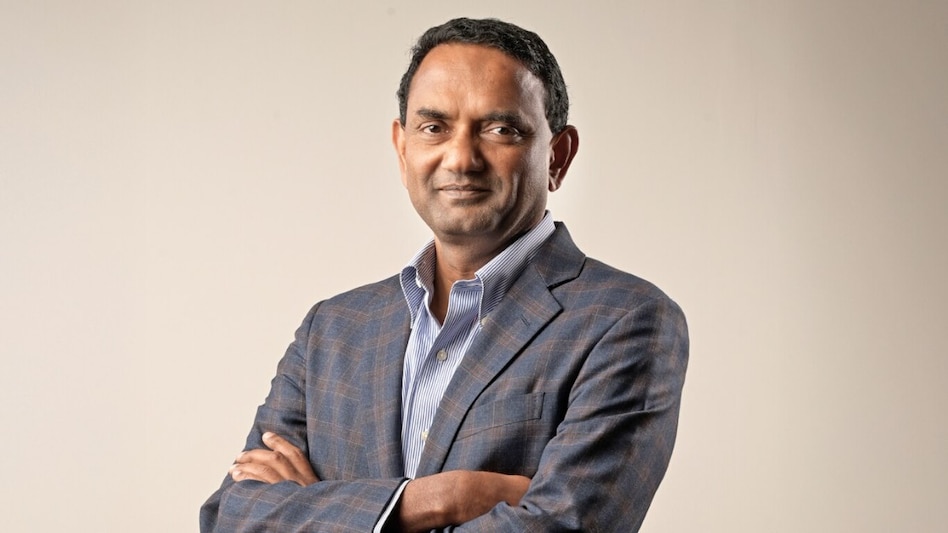
Deepinder Goyal Embraces Meditation with Temple's Innovative Entropy Feature
Deepinder Goyal, co-founder of Zomato, has unveiled an exciting new capability of his health-tech wearable device, Templ...
Business Today | Jul 10, 2026, 09:15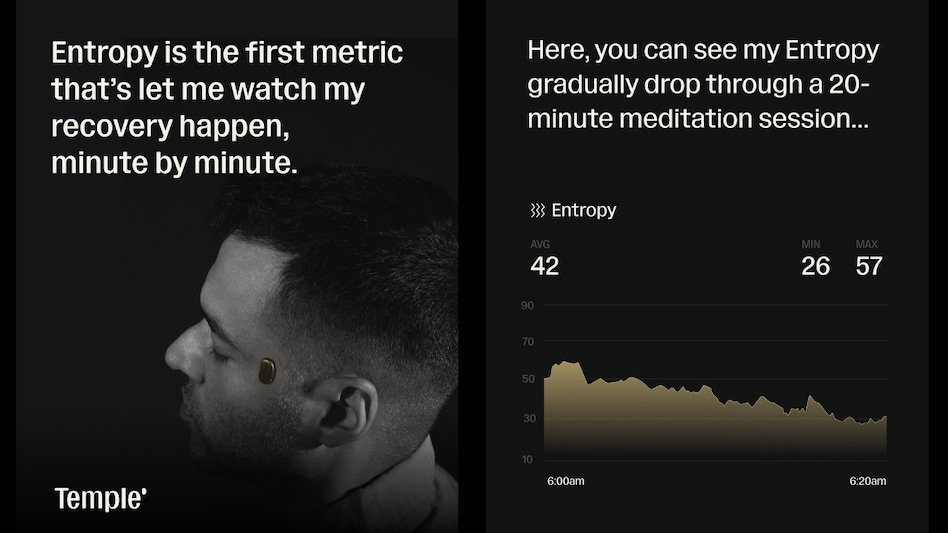
The Hidden Dangers of AI Chatbots in Teen Social Media Bans
This week's edition of The Tech Download newsletter delves into a pressing issue: the oversight of AI chatbots in the co...
CNBC | Jul 10, 2026, 11:15
Instagram's Vision: Authenticity Over AI in the Creator Economy
In the rapidly evolving landscape of content creation, Adam Mosseri, the head of Instagram, asserts that human creators ...
Business Insider | Jul 10, 2026, 11:15