Australia imposes complete social media ban for children under 16, blocking 10 major platforms
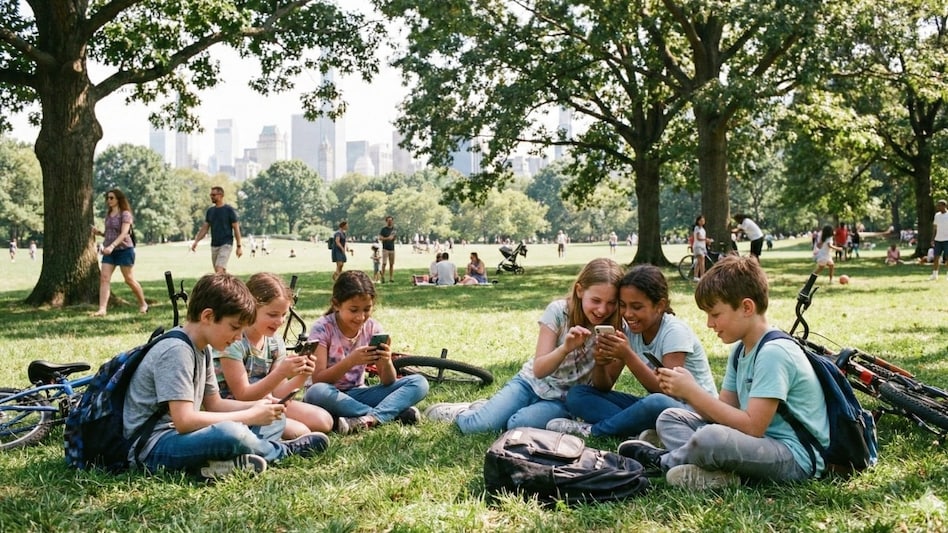
In a groundbreaking move, Australia has implemented a complete ban on social media access for children under 16, making it the first country to enact such legislation. The ban, which took effect on Wednesday, restricts access to major platforms including TikTok, YouTube, Instagram, and Facebook. Prime Minister Anthony Albanese hailed the day as a significant victory for families, asserting that the new law demonstrates the ability of policymakers to address online dangers that surpass traditional child protection methods. "This will make an enormous difference. It is one of the biggest social and cultural changes that our nation has faced," he stated during a press conference. Albanese emphasized the transformative nature of this reform, predicting its global impact. Under the new law, the ten largest social media platforms faced a deadline to block access for minors by midnight or risk hefty fines of up to A$49.5 million (approximately $33 million). While the legislation has faced criticism from major tech companies and advocates of free speech, it has received support from many parents and child welfare organizations. In a video message aimed at youth, Prime Minister Albanese encouraged children to explore new hobbies, whether it be sports, music, or diving into a good book, as they prepare for the upcoming summer break. As the ban approached, many affected children began sharing farewell messages on social media. One teenager lamented, "No more social media… no more contact with the world," while another simply noted, "#seeyouwhenim16." This initiative marks a crucial experiment in regulating children's access to social media, following extensive discussions on the effectiveness of such restrictions. It also serves as a case study for other nations grappling with the slow progress of social media companies in implementing safety measures. Albanese's government supports the ban, citing research that indicates excessive social media use can negatively impact the mental health of younger teens due to risks such as misinformation, cyberbullying, and body image issues. Countries like Denmark, New Zealand, and Malaysia have shown interest in following Australia's lead, suggesting a potential shift in global approaches to online safety for minors.
Apple Alleges Ex-Employee Exploited Security Flaw to Steal Confidential Data for OpenAI
In a startling legal development, Apple has announced a lawsuit against OpenAI, alleging that the tech company unlawfull...
TechCrunch | Jul 13, 2026, 20:05
Navigating the Ethical Maze of AI: A Controversial Perspective
A provocative question arises: Should AI be developed to assist individuals in harmful actions, such as plotting a crime...
TechCrunch | Jul 13, 2026, 16:45
Apple's Lawsuit Unveils Shocking Claims Against OpenAI Over Trade Secrets
Apple's recent lawsuit against OpenAI has revealed a series of serious allegations concerning the unauthorized extractio...
TechCrunch | Jul 13, 2026, 18:45
Legal Battle Unfolds as 12 States Challenge Paramount-Warner Bros. Merger
A group of 12 state attorneys general has initiated legal action aimed at preventing the merger between Paramount Skydan...
TechCrunch | Jul 13, 2026, 17:25
Sortmyprep Secures $350K in Pre-Seed Funding to Revolutionize AI Exam Prep
The innovative education startup, sortmyprep, has successfully raised approximately $350,000 in a pre-seed funding round...
Business Today | Jul 13, 2026, 18:05