Planned satellite constellations may swamp future orbiting telescopes
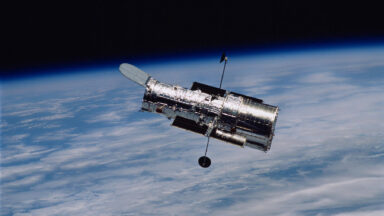
A recent analysis by three astronomers from NASA has unveiled a troubling reality for future space telescopes. They found that the burgeoning satellite constellations, including the fully operational Starlink and its rivals, are set to obstruct the images captured by upcoming orbital observatories. While the effects of these satellite networks have been a known concern for terrestrial telescopes, their potential interference with space-based instruments was previously underestimated. The anticipated expansion of these constellations, along with specific mission features, may lead to at least one proposed observatory detecting nearly 100 satellite trails in each image it captures. This situation is exacerbated by measures intended to mitigate the impact on ground-based telescopes, which may inadvertently worsen conditions for those operating in space. The rapid proliferation of satellite constellations represents a new challenge for the field of astronomy. Historically, the largest orbital networks were comprised of only a few dozen satellites, but the advent of SpaceX’s reusable rockets has drastically reduced launch costs, allowing for larger constellations like Starlink to emerge. Moreover, even with unlimited funding, solving this issue by increasing reliance on space-based telescopes is not a viable solution. Many new satellites orbit at altitudes that can still disrupt observations, despite being above some of the lower constellations. For instance, data from the Hubble Space Telescope's image archive reveals that over 4% of its recent images include satellite tracks, a stark rise from earlier decades. While some space telescopes, such as the James Webb Space Telescope, remain unaffected due to their unique orbits, they are considerably more expensive to launch and lack the regular maintenance that Hubble benefits from. The challenges ahead are significant, as the NASA researchers—Alejandro Borlaff, Pamela Marcum, and Steve Howell—highlighted that current satellite counts represent merely 3% of what is projected to be in orbit within the next ten years if all planned launches proceed as scheduled.
IMF Sounds Alarm on AI Risks in Finance, Urges Enhanced Oversight
The International Monetary Fund (IMF) has raised significant concerns regarding the impact of artificial intelligence on...
Business Today | Jul 23, 2026, 12:40
Elon Musk Urges Tesla to Ramp Up AI Investments Despite Potential Waste
In a bold move, Elon Musk has emphasized the need for Tesla to significantly increase its spending on artificial intelli...
Business Insider | Jul 23, 2026, 11:05Elon Musk Embraces AI Risks for a Future of Abundance
In a thought-provoking interview with Zanny Minton Beddoes, the editor in chief of The Economist, Elon Musk shared his i...
Business Insider | Jul 23, 2026, 12:20Amazon Optimizes Alexa's AI Costs by Shifting from Anthropic Models
In a strategic move to cut expenses, Amazon has restructured the way its AI-powered voice assistant, Alexa, operates, re...
Business Insider | Jul 23, 2026, 09:05Investors React as AI Investment Woes Weigh on Tesla and Alphabet Shares
Shares of both Alphabet and Tesla experienced significant declines in premarket trading on Thursday, driven by concerns ...
CNBC | Jul 23, 2026, 08:35