We keep finding the raw material of DNA in asteroids—what’s it telling us?
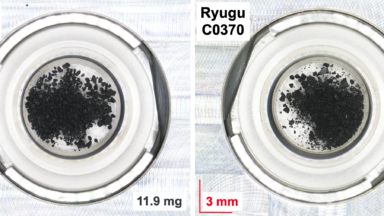
A recent study has reignited interest in the discovery of the four fundamental DNA bases found on an asteroid, yet many headlines overlooked a crucial detail: this isn't the first time such findings have emerged. The new research builds upon earlier discoveries from as far back as 2011, which have been supported by subsequent studies. The significance of the latest findings lies not just in the detection of these bases on asteroid Ryugu, but in addressing a prior enigma: why earlier investigations failed to identify them there, despite their presence in numerous other asteroid samples. This breakthrough sheds light on a pivotal question about the origins of these essential components of life. Researchers have provided intriguing insights into how these vital elements may have formed in space. DNA and RNA, the two core nucleic acids essential for life, share a similar structural framework. Both consist of a backbone formed by alternating sugars and phosphates, linked together chemically. Although the specific sugar differs between the two nucleic acids, their structural integrity remains consistent; the primary difference lies in their lengths. The identity of nucleic acids is determined by the bases attached to the sugars in the backbone. In DNA, these bases are adenine (A), thymine (T), cytosine (C), and guanine (G), while RNA utilizes adenine (A), uracil (U), cytosine (C), and guanine (G). The sequence of these bases along the backbone encodes genetic information, which is fundamental to the processes of life as we understand it. Prior to the emergence of life, it is theorized that the arrangement of bases in RNA molecules played a critical role in dictating the types of chemical reactions they could facilitate, thus setting the stage for life's evolution. This ongoing exploration of extraterrestrial materials continues to deepen our understanding of how the building blocks of life may have arrived on Earth.
Will AI Dampen Originality? An Expert's Cautionary Tale
As artificial intelligence continues to evolve, concerns are rising about its potential impact on innovation and creativ...
Business Insider | Jul 24, 2026, 15:00Why the iPhone 17 is the Smart Choice Ahead of the iPhone 18 Launch
As Apple gears up for the release of its latest iPhone models, including the iPhone 18 Pro and the first foldable varian...
Business Today | Jul 24, 2026, 09:35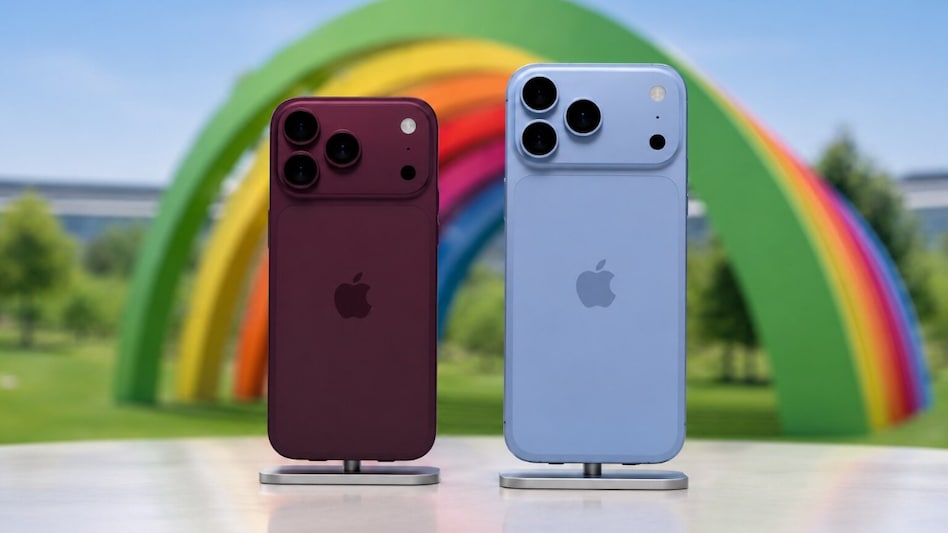
Revolutionizing Interaction: ChatGPT Desktop App Introduces Voice Control
OpenAI has unveiled an exciting update for its ChatGPT desktop application, introducing a voice control feature that ena...
TechCrunch | Jul 24, 2026, 14:00
Blinkit Rises to Challenge Amazon in E-Commerce Landscape
In an impressive leap forward, Blinkit has significantly increased its operational scale, with the cost to establish a s...
Business Today | Jul 24, 2026, 09:35
Elon Musk's Ambitious Leap: Can Tesla's Optimus Robot Revolutionize Work and Life?
Elon Musk has transformed Tesla into a leading automotive giant, but now he is staking the company's future on a groundb...
Business Insider | Jul 24, 2026, 09:10