It’s time to pull the plug on plug-in hybrids
Plug-in hybrid vehicles (PHEVs) have long been promoted as a transitional option to fully electric vehicles (EVs), with the expectation that they would significantly reduce emissions. The idea is that they can operate on electric power for shorter trips while relying on gasoline for longer journeys. However, new findings indicate that this promise often falls short due to a lack of regular charging. According to research conducted by the Fraunhofer Institute, data from the onboard computers of nearly 1 million PHEVs in Germany revealed that a staggering number of these vehicles are either rarely or never plugged in. This raises critical questions for U.S. automakers, like Ford, who are marketing PHEVs as effective alternatives for American drivers. Ford CEO Jim Farley recently noted their goal of achieving CO2 reductions across their vehicle lineup, emphasizing efficiency. Yet, the study suggests that PHEVs are not living up to their efficiency claims. The analysis found that, at their best, Toyota PHEV drivers utilized electric energy for only 44% of their driving. In stark contrast, Porsche PHEV drivers averaged a mere 0.8%, charging their batteries just once over two years. This pattern of undercharging results in PHEVs producing approximately 3.5 times more emissions than their official ratings indicate. One of the central issues with PHEVs is their limited battery capacity, which allows for only short distances on electric power—often around 20 to 30 miles. While regulators in Europe and automakers are advocating for models with longer ranges, it remains uncertain whether this will lead to more frequent charging behavior among drivers. Most PHEVs still rely on traditional fossil fuel platforms, which compromises their electric performance. When drivers demand full power, the gasoline engine activates, potentially leading to a mindset of disinterest in charging. The rationale behind promoting PHEVs is that they would help consumers transition to full EVs by fostering the habit of charging, especially as charging infrastructure improves. Yet, if drivers are not engaging with the charging process, the intended benefits are lost. The result is increased air pollution and the burdens of maintaining a heavier, more complex vehicle. A potential solution lies in the development of extended-range electric vehicles (EREVs), which operate on electric power until the charge is depleted, at which point the gasoline engine kicks in to recharge the battery. Notably, no EREV has yet mandated that owners plug in, meaning they can operate entirely on gasoline. While BMW previously produced an EREV, the i3, it has since ceased production. However, both Ford and Stellantis have plans for EREV pickup trucks, which are yet to hit the market. As EV charging networks continue to grow, it's conceivable that by the time a new generation of PHEVs and EREVs arrives, consumers may feel more confident about transitioning to fully electric vehicles. My own household made the switch two years ago, moving from a mix of PHEVs to a fully electric Kia EV9. Legacy automakers may need to reassess their strategies once again, as the initial allure of PHEVs fades against the realities of their performance in everyday driving.
Rising Concerns in Bond Market as AI Investments Surge
Investors are growing increasingly uneasy about the substantial capital required to realize the ambitions of artificial ...
CNBC | Jul 24, 2026, 20:15
Waymo Considers Parting Ways with Uber Amid Rising Tensions
Waymo is reportedly exploring options to exit its partnership with Uber, which has allowed the Alphabet-owned firm to de...
TechCrunch | Jul 24, 2026, 21:00
Alphabet Takes the Lead in AI Investment Amid Industry Competition
In a bold move that underscores its commitment to artificial intelligence, Alphabet has significantly ramped up its spen...
CNBC | Jul 24, 2026, 19:45
Elon Musk Faces Major Setbacks as Tesla and SpaceX See Significant Stock Declines
It has been a challenging week for Elon Musk, as both Tesla and SpaceX experienced substantial stock declines. Tesla sha...
CNBC | Jul 24, 2026, 20:40
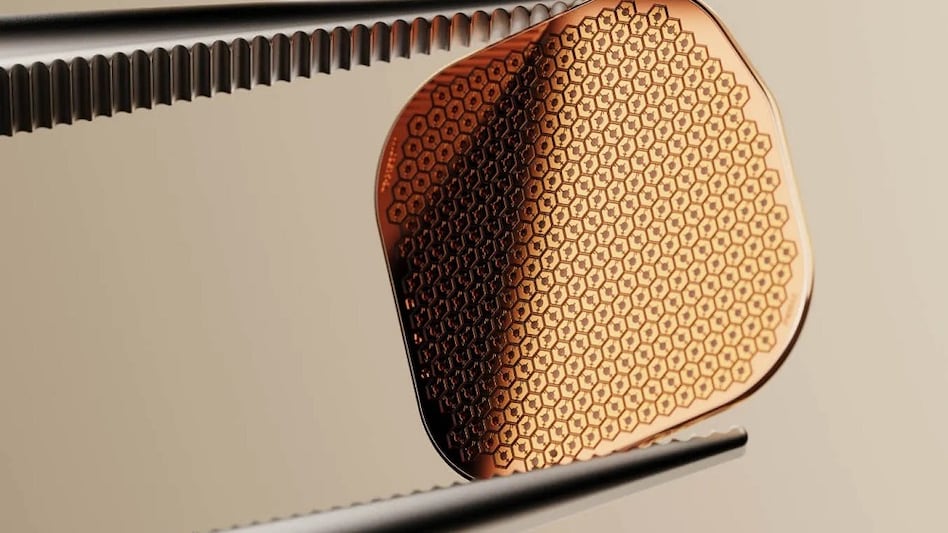
Vision Breakthrough: US Startup Launches Groundbreaking Retina Chip in Europe
Science Corp is poised to introduce a revolutionary retina chip in Europe, designed to restore partial vision for indivi...
Business Today | Jul 25, 2026, 01:00