Apple makes a huge bet on AI models becoming commodities
Apple is shifting gears with its digital assistant, Siri, by integrating it with Google's Gemini AI models, a move that some might interpret as a concession. After years of ambitious promises, Apple is reportedly investing around $1 billion annually to maintain Siri's relevance in a competitive landscape. However, this development signifies a more revolutionary approach: Apple is banking on the idea that AI models will soon become commoditized. According to top tech journalist Mark Gurman, Apple's refreshed Siri, known internally as Campos, is set to debut later this year, functioning as a comprehensive chatbot across iPhones, iPads, and Macs, powered by Google's Gemini. What’s particularly noteworthy is the architectural design of Campos, allowing for the underlying AI models to be interchangeable over time. This strategy could provide Apple with the flexibility to transition away from Google’s systems whenever it deems necessary. Gurman highlights that this design choice reflects Apple's broader AI strategy, which seems to prioritize adaptability over direct competition with tech giants like Google and OpenAI. Siri serves as Apple's primary interface for over a billion iPhone users, but the technology supporting it can evolve. If Apple’s prediction holds true, the leading AI models may eventually reach a comparable level of quality, making them largely interchangeable. This paradigm shift could see differentiation pivoting from the AI model itself to factors like distribution, integration, privacy, and user experience—domains where Apple has a strong competitive edge. In this scenario, Apple could opt for the best, most cost-effective AI provider available, allowing for a dynamic selection process. While Google's Gemini might be the backbone of Siri today, future iterations could harness offerings from OpenAI, Anthropic, or even localized solutions like Alibaba's Qwen in China. Moreover, Apple is playing the long game. Its lucrative search agreement with Google, valued at approximately $20 billion annually, underscores the significance of iPhone distribution. If AI models become commoditized, Apple could potentially reverse its current relationship, with AI providers paying for access to its vast user base. This strategic pivot also allows Apple to minimize capital expenditures. Unlike competitors investing heavily in AI infrastructure and data centers, Apple can leverage the existing investments of others. For instance, Google allocated over $60 billion on capital expenditures in the first three quarters of 2025, while Apple’s spending was significantly lower at $12.7 billion in its last fiscal year. Should the current AI investment surge falter, Apple may emerge unscathed. Yet, there remains the risk that this underinvestment could turn out to be a significant miscalculation. Only time will reveal whether Apple’s strategic bet on the future of AI interfaces is a masterstroke or a misstep.
SpaceX's Latest Starlink Launch Marks Milestone Amid Booster Setbacks
On Friday, SpaceX marked a significant achievement by successfully launching its first batch of third-generation Starlin...
TechCrunch | Jul 24, 2026, 23:40
Revolutionizing Office Automation: Prentis Aims to Secure $100 Million in Funding
Prentis, a newly established AI research lab, is making waves in the tech industry as it prepares to raise $100 million ...
TechCrunch | Jul 25, 2026, 24:00
Vision Breakthrough: US Startup Launches Groundbreaking Retina Chip in Europe
Science Corp is poised to introduce a revolutionary retina chip in Europe, designed to restore partial vision for indivi...
Business Today | Jul 25, 2026, 01:00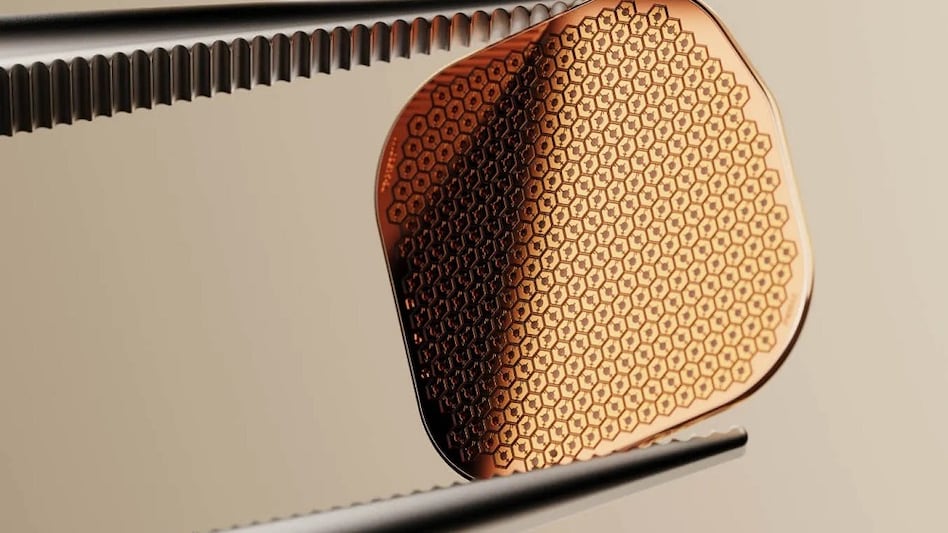
The Aluminum Foil Trend: A DIY Shield Against Wireless Identity Theft
Have you noticed an unusual trend where people are wrapping their wallets in aluminum foil? This peculiar practice has e...
Business Today | Jul 25, 2026, 02:45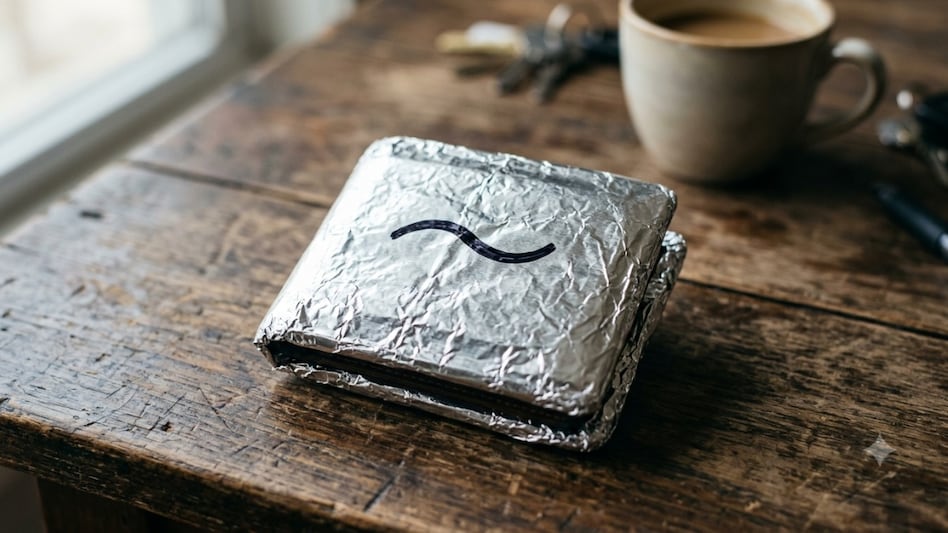
Waymo Considers Parting Ways with Uber Amid Rising Tensions
Waymo is reportedly exploring options to exit its partnership with Uber, which has allowed the Alphabet-owned firm to de...
TechCrunch | Jul 24, 2026, 21:00